 EN

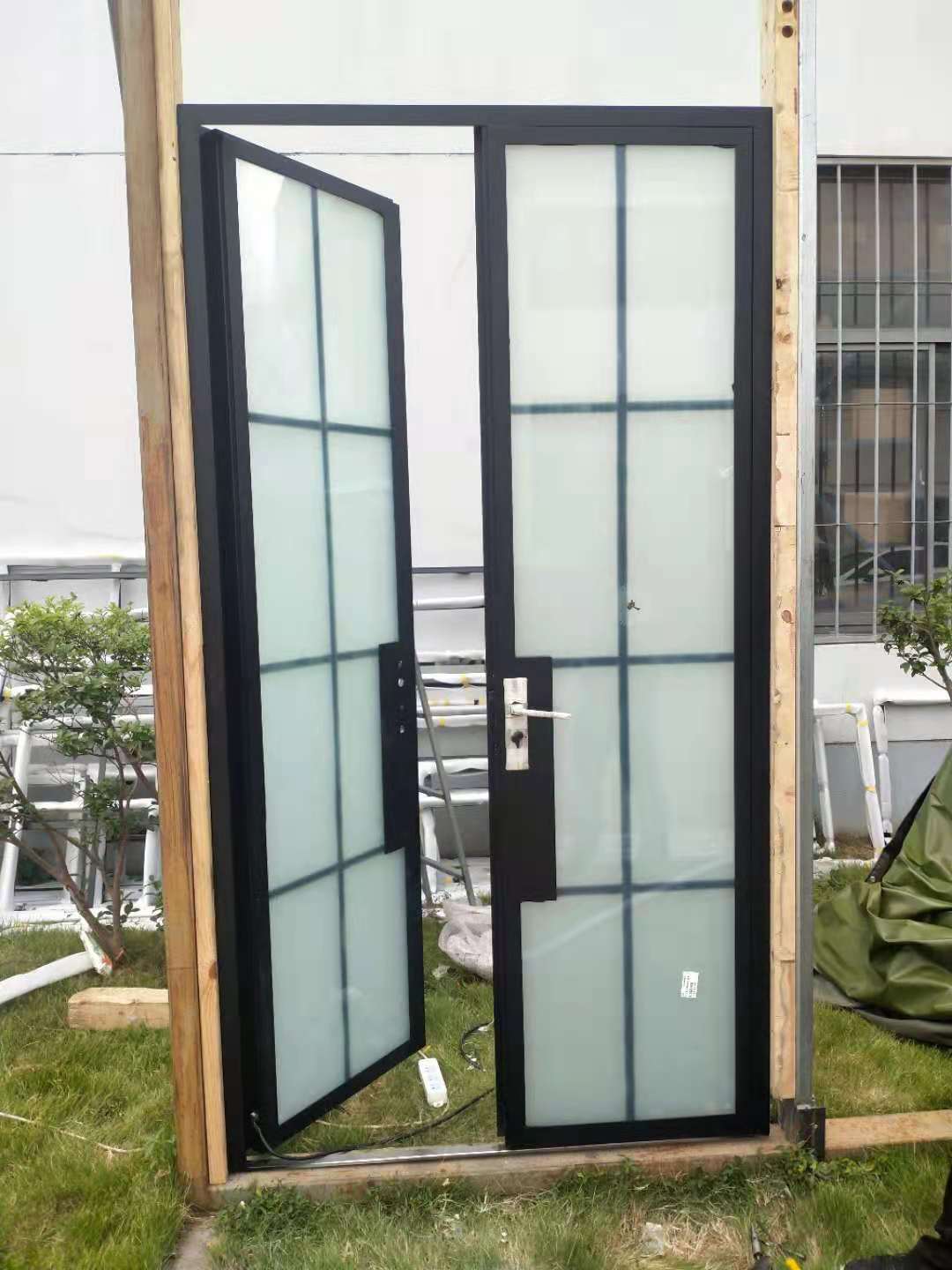
Choosing security features for bespoke metal doors means matching the door, frame, hardware, and opening to the risks at a specific site. A secure leaf can still underperform if the frame shifts, the lock is poorly supported, or the installation leaves gaps. Start by assessing who needs access, how often the door is used, and what the opening must protect.
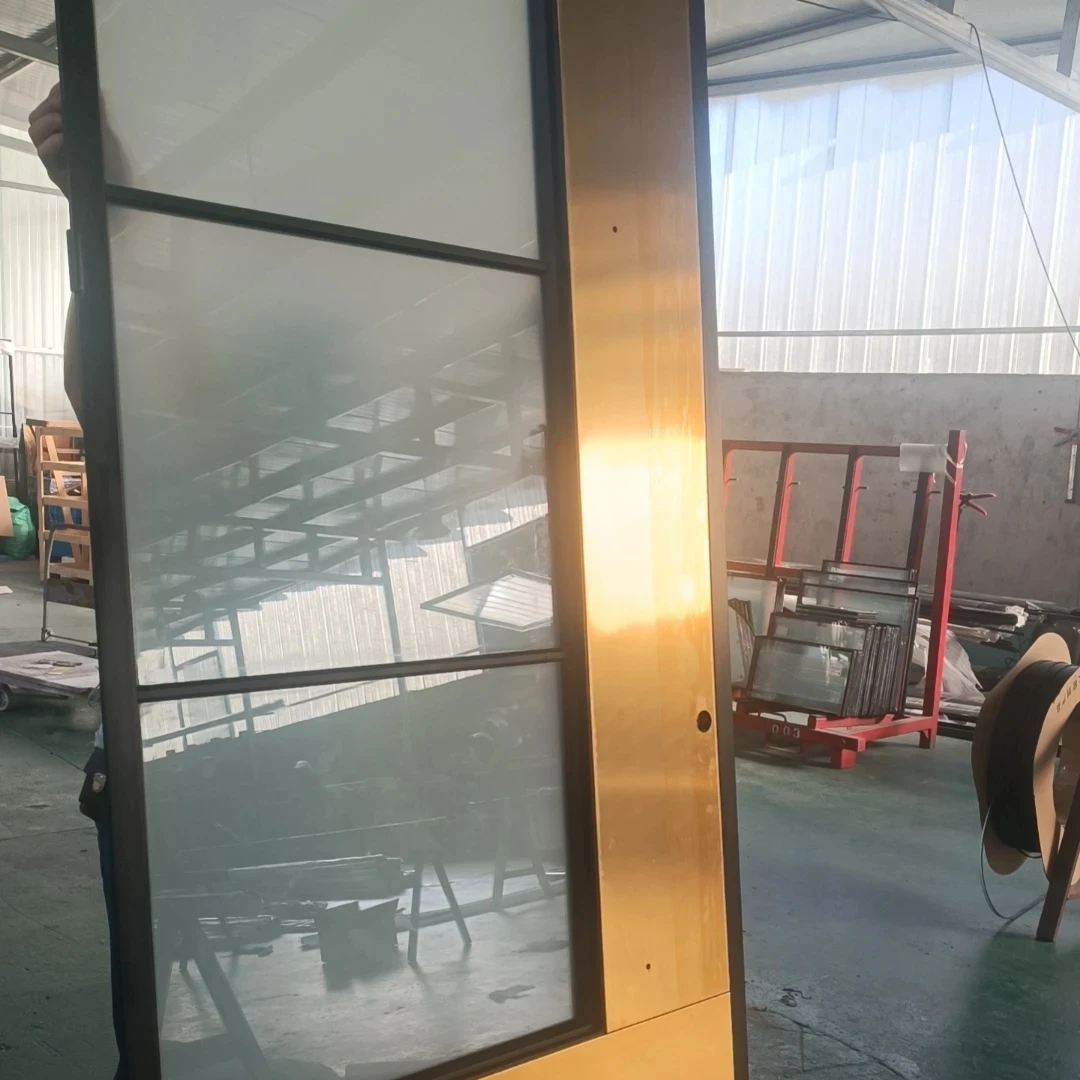
The most useful decisions combine physical resistance with practical operation. Custom metal door frames, industrial metal door specifications, and residential metal door security features each address different parts of the assembly, so they should be considered together rather than treated as separate upgrades. The right package depends on the building, its users, and the consequences of unauthorized entry.
Set Security Priorities for the Opening
Assess exposure and everyday use
Before selecting hardware, identify the door’s location, surrounding access routes, and likely threat conditions. A staff entrance with frequent deliveries has different demands from a private residence or a controlled equipment room. Custom metal door frames should be specified with the wall construction in mind, while industrial metal door specifications should reflect expected traffic, exposure, and maintenance access.
Consider whether users need credential control, a keyed cylinder, or simple mechanical operation. Residential metal door security features can include reinforced lock areas and protected hinges, but usability still matters: a complicated exit arrangement may create safety and accessibility issues. Review the routine for locking, opening, and monitoring the door so the security design supports normal work rather than obstructing it.
Define a balanced specification
A written brief helps prevent mismatches between the door leaf and the opening. Include the required dimensions, wall type, swing direction, finish, hardware, and any fire, acoustic, or access-control needs. Custom metal door frames need suitable anchoring and tolerances; industrial metal door specifications should also state relevant operating conditions and the evidence required for any regulated performance claim.
Avoid treating a thicker panel or heavier lock as proof of a secure assembly. Security depends on how components interact and how the door is installed. Residential metal door security features may call for a different balance of appearance, privacy, and entry control than a service corridor. Documenting priorities lets the project team resolve those trade-offs before fabrication.
Strengthen the Complete Door Assembly
Build frame and hinge resistance
The frame transfers loads from the leaf into the surrounding structure, making its attachment a central security detail. Check substrate strength, fixing locations, and the condition of the wall; custom metal door frames cannot compensate for weak or damaged construction. Industrial metal door specifications should describe frame material, reinforcement, anchoring, and acceptable clearances in a way that can be checked on site.
Hinges should suit the door’s weight, frequency of use, and exposure. Where the hinge side is accessible, consider hinge bolts or other concealed protection compatible with the design. Residential metal door security features often include attention to hinge pins and strike areas, while a high-traffic facility may prioritize durable hardware and inspection access. Confirm that the selected parts work as one system.
Choose locks and access control carefully
Lock performance depends on secure fixing, correct alignment, and a strike plate supported by the frame. Select a locking arrangement that fits the access policy, including how credentials are issued, changed, and withdrawn. Custom metal door frames should provide adequate reinforcement around lock points, and industrial metal door specifications can state hardware preparation and compatibility requirements.
Electronic access can improve control over entry records, but it also introduces power, cabling, and emergency-release considerations. Keep the mechanical security of the door in view when adding readers or powered locks. Residential metal door security features may favor straightforward controls for household members, while commercial openings may need managed permissions. In either case, test operation during normal use and planned power-loss conditions.
Match Protection to Glazing and Site Conditions
Specify glazing and vulnerable details
Glazing can support visibility and design goals, but its location and construction affect the opening’s security. Assess whether a pane could give reach-through access to a lock or handle, and consider suitable glazing retention and adjacent hardware placement. Custom metal door frames must hold the chosen glazing securely; industrial metal door specifications should identify the intended glass type and installation details rather than relying on a general description.
If the design uses smart or decorative glass, verify its operating requirements, wiring route, and replacement access. Those features do not automatically provide intrusion resistance, so evaluate them separately from the security function. Residential metal door security features should address sidelights and other nearby openings too, because a strong door leaf offers limited benefit if an adjacent vulnerable component provides an easier route.
Verify installation and ongoing performance
Inspect the opening before fitting, then confirm that the frame is plumb, securely fixed, and compatible with the wall. Check clearances, latch engagement, hinge movement, and the operation of any closer or access-control device. Custom metal door frames need consistent installation quality, and industrial metal door specifications should provide acceptance criteria that installers and facility teams can verify.
Plan for inspection after heavy use, building movement, or hardware changes. Look for loose fixings, damaged seals, misalignment, and signs that the lock no longer engages reliably. Residential metal door security features remain effective only when maintained and used as intended. Keep installation records and component details so repairs preserve compatibility instead of weakening the original security design.
FAQ
Which feature should be prioritized first?
Begin with the opening’s risk and the strength of its supporting structure. A well-chosen lock needs a sound frame and reliable fixing to work as intended. Review industrial metal door specifications alongside the site condition, then select compatible hardware and define how the door will be operated and maintained.
Are custom frames necessary for every project?
Not always, but unusual dimensions, wall conditions, or hardware requirements can make a tailored frame appropriate. Confirm measurements and anchoring before production. Custom metal door frames should match the actual opening, while residential metal door security features should also account for hinges, glazing, and the way occupants use the entrance.
Can glazing be included without undermining security?
Yes, if the glazing, retention method, and position are assessed as part of the full assembly. Avoid assuming decorative or smart glass is a security component without supporting evidence. Bespoke metal doors can incorporate glazing, but industrial metal door specifications should clearly distinguish appearance, operating needs, and verified security requirements.