 EN

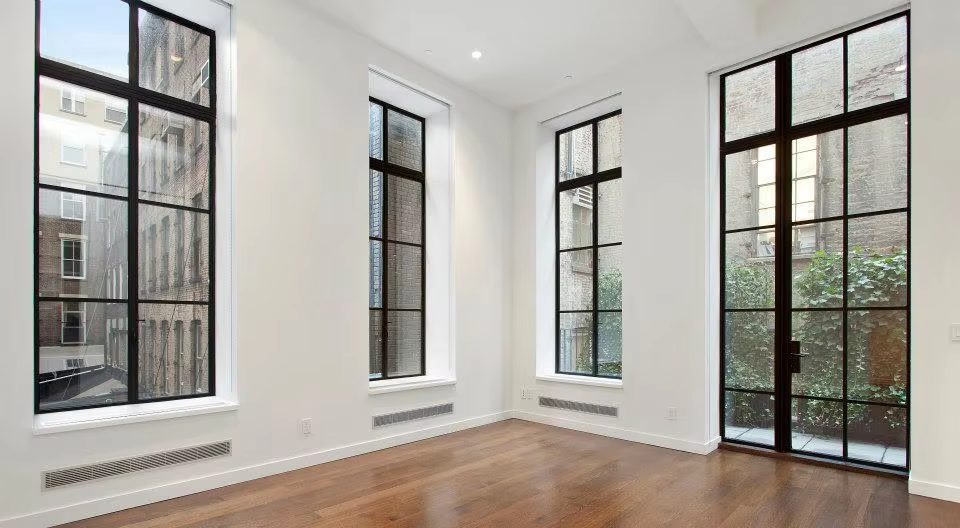
Coastal environments present unique challenges for building materials, particularly when it comes to protecting structures from salt spray, humidity, and corrosive air. Modern steel window frames have become increasingly popular in coastal applications due to their durability, aesthetic appeal, and superior structural performance compared to traditional materials. However, choosing the right finish for modern steel window frames in these harsh conditions is critical to ensuring long-term protection and maintaining the visual integrity of your installation. The steel finish you select will directly influence maintenance requirements, corrosion resistance, and the overall longevity of your investment.
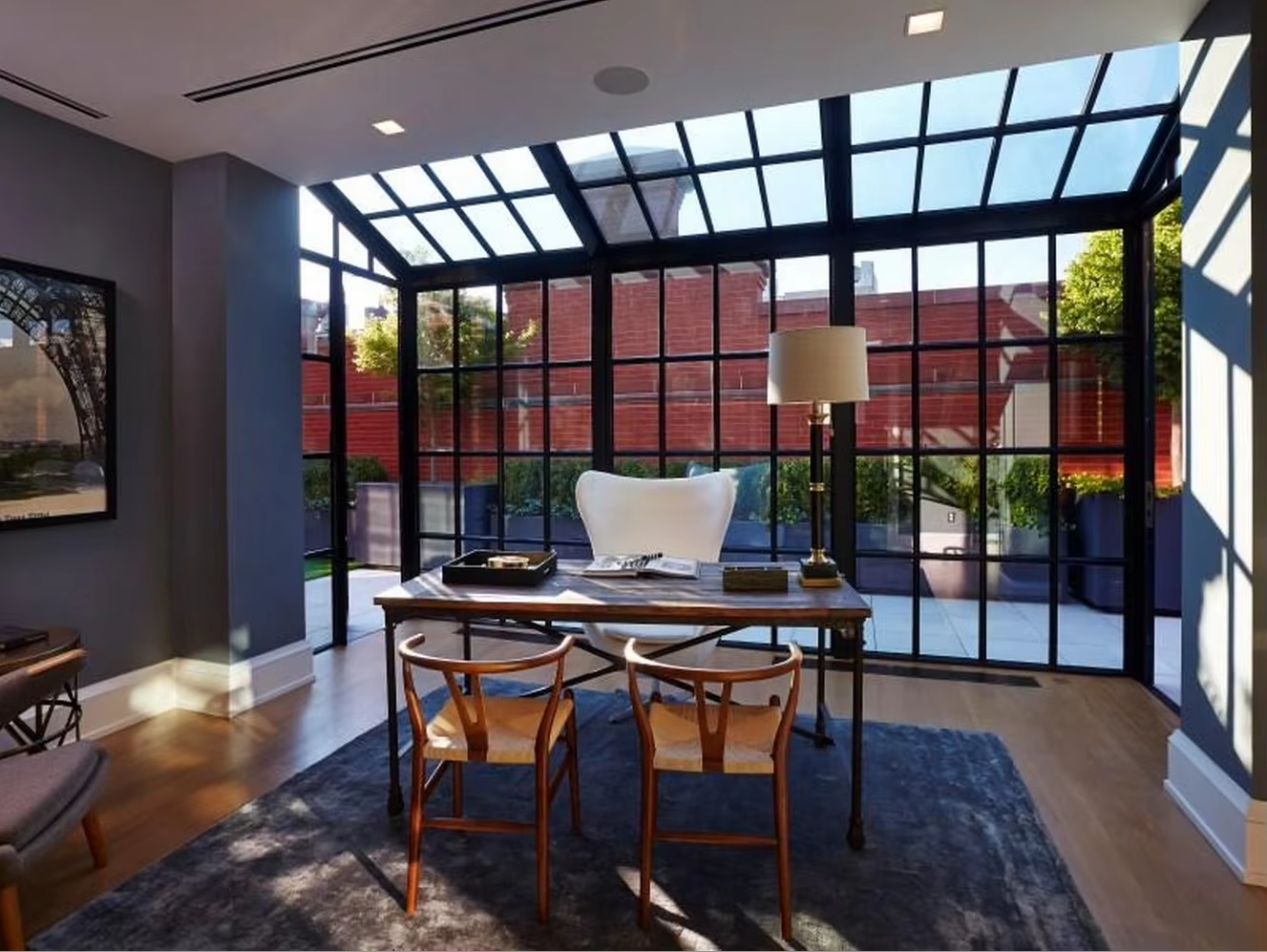
Contemporary steel window design trends increasingly favor finishes that combine protective performance with refined aesthetics. When evaluating steel window frame installation costs and specification options, the finish choice significantly impacts both initial expenses and lifecycle value. Understanding thermal performance steel window frames and their finish requirements helps architects and building owners make informed decisions that balance performance, cost, and design intent in coastal settings.
Finish Options for Coastal Protection
Hot-Dip Galvanized Coatings
Hot-dip galvanizing remains one of the most reliable finishes for modern steel window frames exposed to coastal conditions. This process creates a multi-layered zinc coating that provides exceptional corrosion resistance by sacrificially protecting the underlying steel. The galvanized finish creates a dense barrier that actively combats salt spray and marine air, making it particularly suitable for high-exposure coastal environments. When considering steel window frame installation costs, hot-dip galvanized finishes offer excellent value because they require minimal maintenance over decades and demonstrate proven performance in harsh maritime settings.
The appearance of traditional hot-dip galvanized coatings has evolved significantly, with contemporary steel window design trends now incorporating aesthetic refinements. Modern galvanizing techniques produce smoother surfaces and more uniform coloring that complement contemporary architecture while maintaining full protective performance. However, some designers prefer the lighter, more refined appearance of newer finish technologies when coastal aesthetics demand a specific visual character.
Powder-Coated Steel Finishes
Powder coating represents a sophisticated approach to finishing modern steel window frames, particularly when aesthetic consistency and color precision matter. When applied over a properly prepared galvanized substrate, powder coatings provide an additional protective layer while enabling virtually unlimited color options that align with contemporary steel window design trends. This dual-layer system combines the corrosion resistance of galvanizing with the visual control and UV protection of powder coating, creating enhanced durability in coastal environments.
The thermal performance steel window frames achieve is not compromised by quality powder coatings, provided the coating system is specified correctly. Contemporary specifications often call for marine-grade powder coatings with thickness ratings between 60 and 100 microns to ensure adequate salt-spray resistance. Understanding the relationship between coating thickness, substrate preparation, and coastal performance helps optimize both the protective qualities and the steel window frame installation costs associated with this finish choice.
Thermal Performance and Finish Specifications
Insulation Properties and Coating Interaction
The thermal performance steel window frames deliver depends partly on frame design but also on how finish systems are applied. Quality coatings do not significantly impact the thermal conductivity of the steel itself, though they contribute to overall system performance by preventing corrosion that could compromise seals and thermal breaks. Modern steel window frames increasingly incorporate thermal breaks and insulated glazing systems that work synergistically with protective finishes to optimize energy efficiency in coastal applications.
When specifying contemporary steel window design trends that emphasize sustainability, the thermal performance steel window frames provide becomes a key differentiator. The combination of a durable coastal finish with high-performance glazing and thermal breaks creates windows that maintain efficiency while resisting environmental degradation. Architects balancing aesthetic preferences with performance requirements often find that finish choices that support thermal integrity also support coastal longevity.
Maintenance and Long-Term Performance
Protective finishes directly influence maintenance demands and long-term cost of ownership for modern steel window frames. Galvanized finishes typically require only routine cleaning to remove salt deposits, while powder-coated systems benefit from periodic inspection and gentle cleaning to maintain appearance. The steel window frame installation costs should reflect not only material and labor but also anticipated maintenance needs, making finish selection a strategic decision that extends beyond initial construction.
Contemporary steel window design trends favor finishes that age gracefully and retain both protective performance and aesthetic qualities over decades. In coastal environments, zinc-based finishes naturally develop a protective patina that actually enhances corrosion resistance over time, while powder-coated systems maintain their initial appearance if quality coating systems and substrate preparation meet marine specifications. Understanding these long-term behaviors helps owners and designers make sustainable choices.
Selecting the Right Finish for Your Application
Environmental Exposure Assessment
The most suitable finish for modern steel window frames in coastal environments depends on specific exposure conditions, proximity to saltwater, and atmospheric salt concentration levels. Windows directly exposed to salt spray require more aggressive protection than those in moderate coastal zones, which influences whether single-layer galvanizing or dual-system protection serves best. Contemporary steel window design trends increasingly emphasize environment-specific specification, recognizing that one-size-fits-all approaches miss optimization opportunities in challenging coastal applications.
Building height, orientation relative to prevailing winds, and distance from the shoreline all factor into finish selection for modern steel window frames. High-rise coastal buildings experience greater salt spray exposure than low-rise structures, necessitating more robust protection. Understanding these nuanced environmental factors helps specify thermal performance steel window frames with finishes proportionate to actual exposure, optimizing the relationship between protection, aesthetics, and steel window frame installation costs.
Budget and Aesthetic Integration
Steel window frame installation costs vary significantly based on finish selection, substrate preparation quality, and coating specification details. Hot-dip galvanizing typically represents the most economical choice for marine environments, offering unmatched durability per dollar invested. Powder-coated systems command higher initial costs but deliver superior aesthetic control that may justify premium pricing when contemporary steel window design trends emphasize specific color or finish palettes that align with architectural vision.
The decision between finish options ultimately balances multiple considerations including environmental exposure, maintenance expectations, aesthetic objectives, and budget constraints. Contemporary specifications for modern steel window frames increasingly recognize that premium finishes supporting thermal performance steel window frames can reduce long-term energy costs while simplifying maintenance, creating compelling lifecycle value propositions that justify higher initial investment when coastal durability and architectural refinement matter equally.
FAQ
What finish provides the best corrosion resistance for modern steel window frames in high-salt-spray coastal zones?
Hot-dip galvanized coatings combined with quality powder coating provide superior corrosion resistance for modern steel window frames in extreme coastal environments. This dual-layer system leverages the sacrificial zinc protection of galvanizing plus the barrier protection of powder coating, delivering defense against aggressive salt spray. Coating thickness specifications of 60 to 100 microns over proper galvanized substrate ensure adequate protection in the harshest maritime exposures.
How do finish choices affect the thermal performance steel window frames achieve?
Protective finishes themselves have minimal impact on the thermal performance steel window frames deliver, as coatings do not significantly alter steel's thermal conductivity. However, quality finishes protect the integrity of thermal breaks and seals that enable efficient performance. Contemporary steel window design trends emphasize finishes that maintain system integrity over time, preserving thermal benefits throughout the window's service life by preventing corrosion that could compromise performance components.
Are powder-coated finishes suitable for modern steel window frames in coastal environments where aesthetic consistency matters?
Yes, powder-coated finishes work exceptionally well for contemporary steel window design trends in coastal zones when applied over galvanized substrates. This combination provides reliable corrosion protection while enabling precise color matching and aesthetic control. Quality marine-grade powder coatings with adequate thickness deliver both protection and visual consistency, though initial steel window frame installation costs run higher than galvanized-only options due to the additional coating process and material expenses.
Table of Contents
- Finish Options for Coastal Protection
- Thermal Performance and Finish Specifications
- Selecting the Right Finish for Your Application
-
FAQ
- What finish provides the best corrosion resistance for modern steel window frames in high-salt-spray coastal zones?
- How do finish choices affect the thermal performance steel window frames achieve?
- Are powder-coated finishes suitable for modern steel window frames in coastal environments where aesthetic consistency matters?