 EN

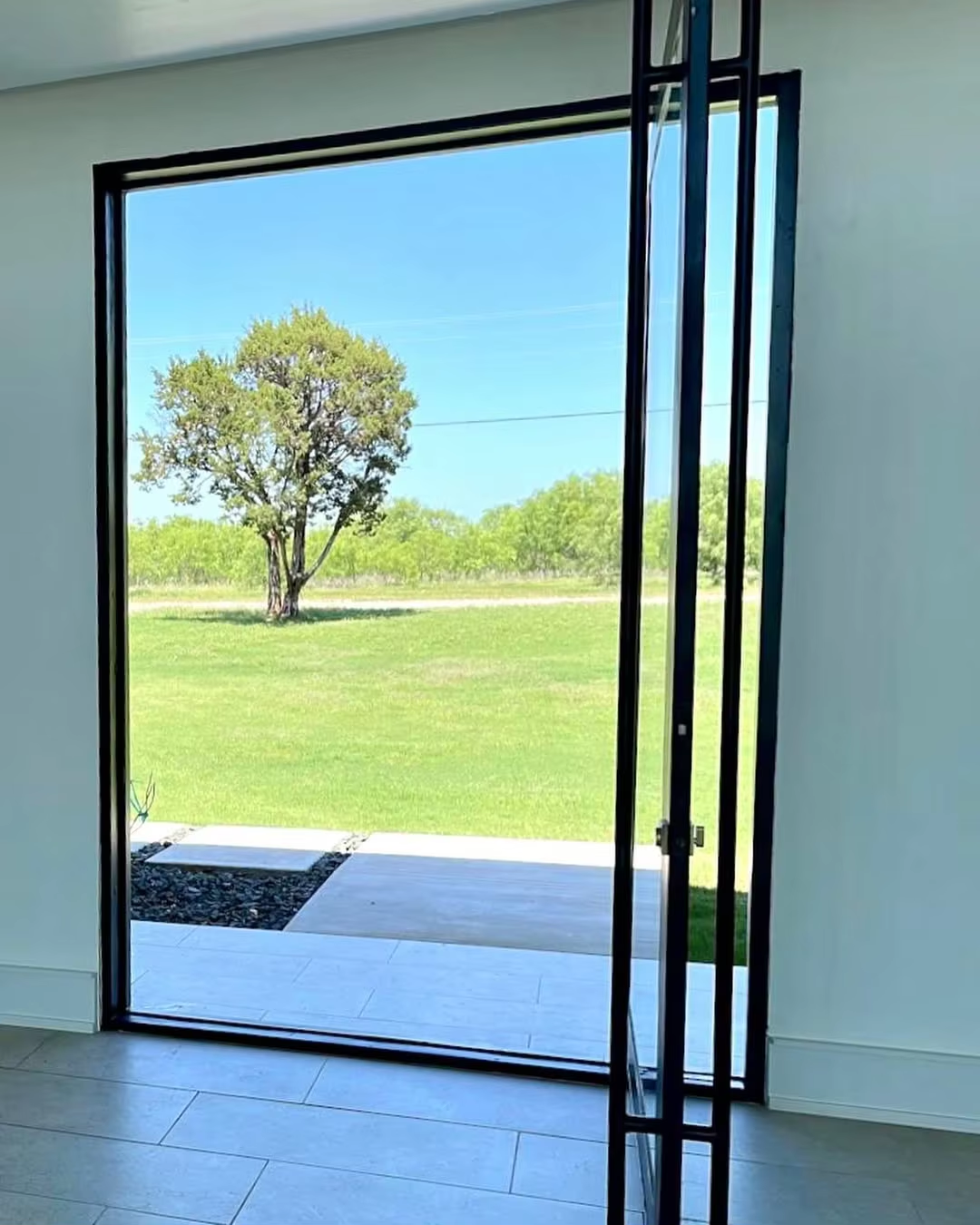
Selecting the right glass configuration for a custom steel door is a critical decision that directly impacts aesthetics, security, and functional performance. A well-chosen glass design transforms how light enters a space while maintaining the structural integrity and protective qualities that steel doors inherently provide. Understanding the available glass options ensures your custom steel door meets both design aspirations and practical requirements, whether for residential or commercial applications.
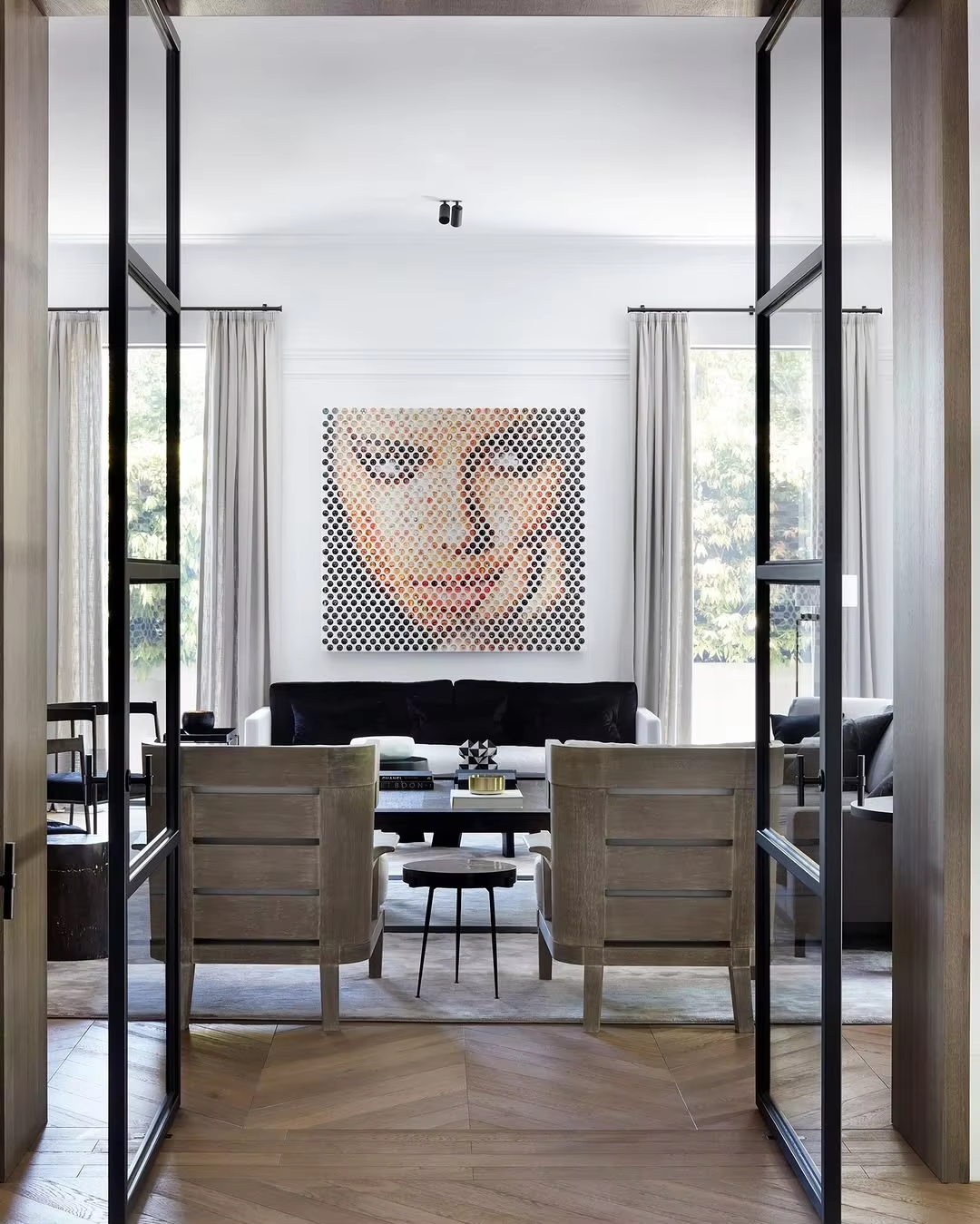
The market offers diverse glass configurations tailored to specific performance needs and aesthetic preferences. From fully tempered glass to laminated and tinted options, each configuration delivers unique benefits in terms of durability, visual clarity, and compliance with modern building codes. Your choice of glass directly influences the overall value and functionality of your investment in a custom steel door solution.
Clear Tempered Glass and Performance Standards
Advantages of Tempered Glass in Steel Door Applications
Clear tempered glass represents one of the most popular choices for custom steel door installations across both residential and commercial environments. Tempered glass is heat-treated to create a surface layer of compression, making it significantly more resistant to thermal shock and impact compared to standard annealed glass. When tempered glass does break, it crumbles into small, relatively harmless granules rather than dangerous sharp shards, providing a crucial safety advantage. This makes tempered glass particularly valuable in high-traffic commercial settings and homes where safety is paramount. The transparency of tempered glass allows natural light to flood interior spaces while maintaining the protective qualities your steel door security features demand.
Installation Requirements and Code Compliance
Commercial steel door installation standards typically mandate tempered glass in specific locations, particularly near doors and areas where safety codes require impact-resistant solutions. Building codes recognize the safety benefits of tempered glass and often require its use within a certain distance from floor level. Professional commercial steel door installation ensures that glass thickness, edge finishing, and attachment methods all comply with applicable safety regulations. Proper installation of tempered glass in your custom steel door configuration prevents separation from the frame and ensures long-term structural soundness.
Laminated and Specialty Glass Options
Laminated Glass for Enhanced Security and Sound Control
Laminated glass consists of two or more glass panes bonded together with a durable plastic interlayer, typically polyvinyl butyral (PVB). This configuration significantly enhances steel door security features by resisting penetration and slowing forced entry attempts. The interlayer keeps glass fragments bound together even when broken, preventing dangerous shards from falling free. Beyond security, laminated glass provides excellent sound dampening, making it ideal for commercial steel door applications near busy streets or noisy environments. Residential steel door customization options increasingly feature laminated glass for homeowners prioritizing privacy, noise reduction, and enhanced protection against break-ins.
Tinted and Low-Emissivity Glass Solutions
Tinted glass reduces solar heat gain, ultraviolet exposure, and glare while maintaining visibility and aesthetic appeal. Gray, bronze, and green tints are common choices in commercial steel door installation projects seeking to balance light transmission with thermal efficiency. Low-emissivity (Low-E) glass coatings reflect infrared radiation, minimizing heat transfer through your custom steel door while maintaining natural light. These specialty options support energy conservation goals and reduce heating and cooling costs in both residential and commercial settings. When incorporated into a residential steel door customization options package, tinted or Low-E glass enhances comfort while protecting interior furnishings from UV damage.
Frame Integration and Design Flexibility
Frame Materials and Structural Compatibility
The frame surrounding your glass configuration must complement the steel door security features and support the weight and thermal expansion of the chosen glass type. Steel frames provide maximum strength and durability, allowing for larger glass panes and more sophisticated configurations. Professional commercial steel door installation incorporates frame designs that distribute load evenly across the door structure and account for thermal expansion and contraction cycles. Custom steel door applications benefit from frames engineered to accommodate various glass thicknesses, from single-pane to insulated double-pane assemblies.
Customization Options for Aesthetic and Functional Goals
Residential steel door customization options extend to frame finishes, colors, and decorative elements that enhance visual appeal without compromising structural integrity. Divided-light designs, geometric patterns, and integrated grilles offer aesthetic versatility while maintaining the protective advantages of steel construction. Some commercial steel door installation projects incorporate etched glass or frosted finishes to provide privacy while allowing light transmission. Modern custom steel door configurations can include ventilation glass panels, sidelights, and transoms that maximize functionality and architectural impact.
FAQ
What is the difference between tempered and laminated glass for a custom steel door?
Tempered glass is heat-treated to increase strength and safety, breaking into harmless granules if shattered. Laminated glass bonds two panes with a plastic interlayer, maintaining integrity when broken and providing superior security and sound dampening. Both offer distinct advantages depending on your steel door security features priorities and application requirements.
Are there energy-efficient glass options for commercial steel door installation?
Yes, low-emissivity coatings and tinted glass options reduce heat transfer and solar gain in commercial steel door installation projects. Insulated glass units with argon gas filling provide superior thermal performance. These energy-efficient configurations lower operational costs while maintaining visibility and aesthetic appeal in commercial environments.
Can residential steel door customization options include specialty glass patterns or finishes?
Absolutely. Residential steel door customization options support etched, frosted, textured, and patterned glass designs that enhance privacy and visual interest. These specialty finishes can be combined with tempered or laminated glass to achieve both aesthetic goals and steel door security features requirements without compromising safety or durability.