 EN
EN


Commercial construction projects demand the highest standards of safety, durability, and compliance with building codes. Fire-rated steel door systems represent a critical component in protecting commercial properties, occupants, and assets from fire hazards while ensuring seamless daily operations. These specialized door systems combine advanced metallurgy with precision engineering to deliver fire resistance ratings that meet or exceed industry requirements, making them indispensable for hospitals, office buildings, manufacturing facilities, and high-rise developments.
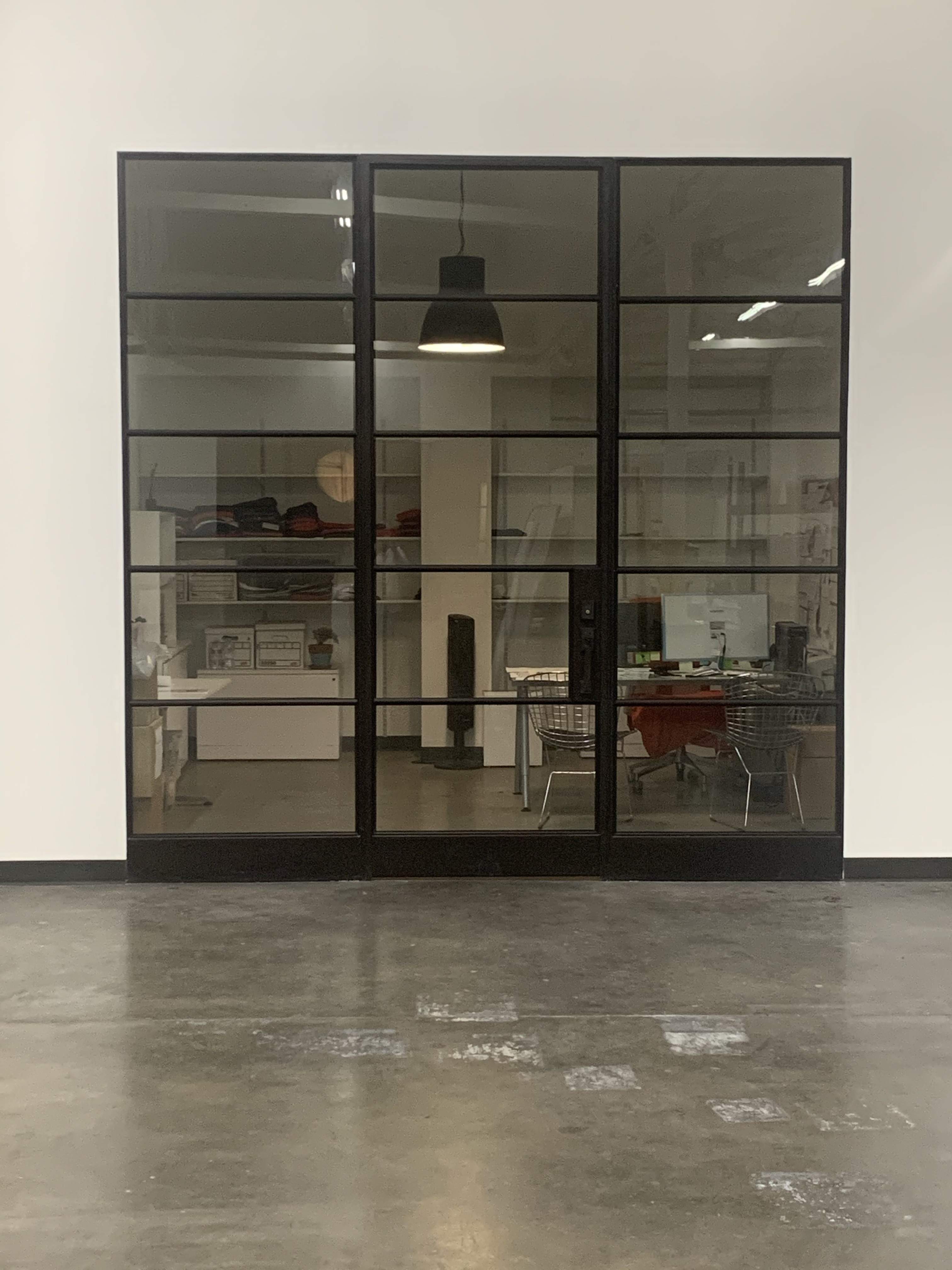
Wholesale procurement of fire-rated steel door systems enables project managers, architects, and developers to achieve significant cost efficiencies while maintaining consistent quality across multiple installations. The wholesale approach provides access to bulk pricing, standardized specifications, and coordinated delivery schedules that streamline construction timelines. Understanding the technical specifications, regulatory requirements, and installation considerations for these systems ensures optimal performance and long-term reliability in commercial environments.
Understanding Fire-Rated Steel Door System Classifications
Fire Resistance Rating Standards
Fire-rated steel door systems are classified according to their ability to withstand fire exposure for specific time periods, typically ranging from 20 minutes to 3 hours. The most common ratings for commercial applications include 20-minute, 45-minute, 60-minute, 90-minute, and 180-minute classifications. These ratings are determined through rigorous testing procedures that evaluate the door's structural integrity, temperature transmission, and ability to prevent flame penetration during fire events.
The testing process involves subjecting complete door assemblies to controlled fire conditions following ASTM E152 or UL 10C standards. Fire-rated steel door systems must demonstrate their capacity to maintain structural stability while limiting temperature rise on the unexposed surface. The steel construction provides inherent advantages in fire resistance due to the material's high melting point and thermal conductivity characteristics that help distribute heat across the door surface.
Commercial projects typically require 60-minute or 90-minute rated systems for stairwell entrances, mechanical rooms, and fire separation walls. Higher ratings become necessary for specialized applications such as chemical storage areas, server rooms, or hazardous material handling facilities. The selection of appropriate fire ratings depends on building occupancy classifications, local fire codes, and specific risk assessments conducted during the design phase.
Construction and Material Specifications
Modern fire-rated steel door systems feature multi-layer construction that combines steel face sheets with specialized core materials designed to enhance fire resistance. The steel faces are typically fabricated from 16-gauge or 18-gauge cold-rolled steel that provides structural strength and impact resistance. The core materials may include mineral fiber insulation, vermiculite compositions, or proprietary fire-resistant compounds that expand when exposed to heat.
Edge construction represents a critical element in fire-rated steel door systems, with manufacturers employing various techniques such as continuous welding, mechanical interlocking, or adhesive bonding to ensure complete seal integrity. The edge treatment must prevent flame penetration and maintain structural continuity throughout the fire exposure period. Quality wholesale suppliers provide detailed specifications for edge construction methods and material compositions to ensure compliance with testing standards.
Hardware integration requires careful consideration of fire rating compatibility, as all components including hinges, locks, closers, and vision panels must be tested and listed as part of the complete door assembly. The steel door construction allows for robust hardware mounting that maintains functionality under fire conditions while preserving the overall fire resistance rating of the system.
Wholesale Procurement Advantages for Commercial Projects
Cost Efficiency and Budget Management
Wholesale purchasing of fire-rated steel door systems delivers substantial cost savings through volume pricing structures that can reduce per-unit costs by 15-30% compared to individual door purchases. These savings become particularly significant for large commercial projects requiring dozens or hundreds of fire-rated openings throughout the facility. The wholesale approach enables project managers to allocate budget resources more effectively while maintaining consistent quality standards across all installations.
Bulk procurement also provides leverage for negotiating extended warranty terms, expedited delivery schedules, and comprehensive technical support services. Many wholesale suppliers offer package pricing that includes door systems, frames, hardware, and installation accessories as coordinated assemblies. This integrated approach simplifies procurement processes and reduces the administrative overhead associated with managing multiple vendor relationships.
The predictable pricing structure of wholesale agreements helps project teams manage budget contingencies and cash flow requirements more effectively. Fixed pricing arrangements protect against market fluctuations in steel costs and manufacturing expenses that could impact project budgets during extended construction periods.
Quality Consistency and Standardization
Wholesale procurement ensures consistent manufacturing quality across all fire-rated steel door systems through standardized production processes and quality control protocols. This consistency becomes critical for commercial projects where door performance must meet uniform standards throughout the facility. Wholesale suppliers typically maintain detailed documentation of manufacturing specifications, testing certifications, and quality assurance procedures that support construction quality management programs.
The standardization benefits extend to installation procedures, maintenance requirements, and replacement part availability. When all fire-rated steel door systems within a facility share common specifications and hardware configurations, facility management teams can streamline maintenance protocols and inventory management for spare parts and replacement components.
Wholesale suppliers often provide comprehensive technical documentation including installation guidelines, maintenance schedules, and troubleshooting procedures that ensure optimal system performance throughout the building's operational life. This documentation standardization supports facility management efficiency and helps maintain fire safety compliance over time.
Technical Specifications for Commercial Applications
Performance Requirements and Testing Standards
Commercial fire-rated steel door systems must comply with multiple performance standards that address fire resistance, structural integrity, environmental durability, and operational functionality. The primary testing standards include UL 10C for fire resistance, ANSI/BHMA standards for hardware performance, and ASTM specifications for material properties and environmental resistance. These comprehensive testing protocols ensure that fire-rated steel door systems perform reliably under both normal operating conditions and emergency fire scenarios.
Temperature rise limitations represent a critical performance parameter, with most commercial applications requiring that the unexposed surface temperature remain below 450°F above ambient during fire exposure. This requirement protects adjacent materials and structures from heat damage while maintaining egress safety for building occupants. Fire-rated steel door systems achieve these performance levels through carefully engineered thermal barriers and heat distribution mechanisms within the door construction.
Smoke and gas infiltration control has become increasingly important in commercial fire safety design, with modern fire-rated steel door systems incorporating advanced sealing technologies that limit smoke transmission during fire events. These sealing systems must maintain effectiveness throughout repeated opening and closing cycles while preserving the door's fire resistance rating.
Integration with Building Systems
Modern commercial buildings require fire-rated steel door systems to integrate seamlessly with electronic access control, fire alarm systems, and building automation platforms. This integration enables coordinated emergency response procedures that automatically release magnetic door holders, activate emergency lighting, and provide real-time status monitoring for facility security teams. The steel construction provides excellent electromagnetic shielding properties that support reliable electronic system operation.
Mechanical integration considerations include coordination with HVAC systems, particularly regarding pressure differentials and airflow patterns that could affect door operation during fire events. Fire-rated steel door systems must maintain proper closing force characteristics even when subjected to building pressurization systems or smoke evacuation procedures. Wholesale suppliers typically provide engineering support to ensure proper system integration during the design and installation phases.
The durability advantages of steel construction become particularly important for high-traffic commercial applications where fire-rated steel door systems must withstand thousands of opening cycles while maintaining their fire resistance properties. Steel doors resist warping, impact damage, and environmental degradation that could compromise fire safety performance over time.
Installation and Maintenance Considerations
Professional Installation Requirements
Proper installation of fire-rated steel door systems requires specialized expertise to ensure compliance with fire safety codes and manufacturer specifications. The installation process must maintain the tested configuration of the door assembly, including frame mounting, hardware placement, and sealing details that were evaluated during fire resistance testing. Any deviations from the tested configuration can void the fire rating and compromise building safety.
Frame installation represents a critical element that affects both fire performance and operational functionality. Fire-rated steel door systems require frames that are properly anchored to structural elements and sealed against fire penetration around the perimeter. The installation must account for building movement, thermal expansion, and settling that could affect door alignment and sealing effectiveness over time.
Quality control during installation includes verification of proper hardware adjustment, closing force calibration, and comprehensive testing of all safety features. Wholesale suppliers often provide installation training and certification programs that ensure consistent installation quality across multiple project sites. This professional installation approach protects the investment in fire-rated steel door systems and ensures long-term performance reliability.
Preventive Maintenance Programs
Effective maintenance programs for fire-rated steel door systems focus on preserving both fire safety performance and operational functionality through regular inspection and adjustment procedures. The steel construction provides inherent durability advantages that reduce maintenance requirements compared to other door materials, but regular attention to hardware components, sealing systems, and surface protection remains essential for optimal performance.
Inspection protocols should address hardware functionality, door alignment, closing force verification, and seal integrity on a quarterly basis. Fire-rated steel door systems require documentation of maintenance activities to support fire safety compliance and insurance requirements. Many wholesale suppliers provide maintenance guidelines and training programs that help facility management teams develop effective preventive maintenance procedures.
The longevity benefits of properly maintained fire-rated steel door systems contribute to overall building value and operational efficiency. Steel doors typically provide 20-30 years of reliable service when properly maintained, making them an excellent long-term investment for commercial property owners and facility managers.
FAQ
What fire ratings are typically required for commercial fire-rated steel door systems?
Commercial applications most commonly require 60-minute or 90-minute fire ratings for fire-rated steel door systems, depending on building occupancy type and local fire codes. Stairwell doors typically need 60-minute ratings, while mechanical rooms and high-hazard areas may require 90-minute or higher ratings. The specific requirements are determined by building codes, occupancy classifications, and fire safety engineering assessments.
How do wholesale pricing structures work for large commercial projects?
Wholesale pricing for fire-rated steel door systems typically offers tiered discounts based on order quantities, with savings of 15-30% available for bulk purchases. Many suppliers provide project-specific pricing that includes doors, frames, hardware, and accessories as complete packages. Payment terms often include progress billing options that align with construction schedules, and some suppliers offer guaranteed pricing for extended delivery periods.
What installation certifications are required for fire-rated steel door systems?
Installation of fire-rated steel door systems must be performed by certified technicians who understand fire safety code requirements and manufacturer specifications. Many jurisdictions require installation certification from organizations such as the Door and Hardware Institute (DHI) or equivalent local authorities. Proper installation documentation is essential for maintaining fire ratings and ensuring insurance compliance.
How long do commercial fire-rated steel door systems typically last?
High-quality fire-rated steel door systems in commercial applications typically provide 20-30 years of reliable service with proper maintenance. The steel construction offers superior durability compared to wood or composite alternatives, resisting warping, impact damage, and environmental degradation. Regular maintenance of hardware components and sealing systems helps maximize the service life and ensures continued fire safety performance.
Table of Contents
- Understanding Fire-Rated Steel Door System Classifications
- Wholesale Procurement Advantages for Commercial Projects
- Technical Specifications for Commercial Applications
- Installation and Maintenance Considerations
-
FAQ
- What fire ratings are typically required for commercial fire-rated steel door systems?
- How do wholesale pricing structures work for large commercial projects?
- What installation certifications are required for fire-rated steel door systems?
- How long do commercial fire-rated steel door systems typically last?