 EN
EN
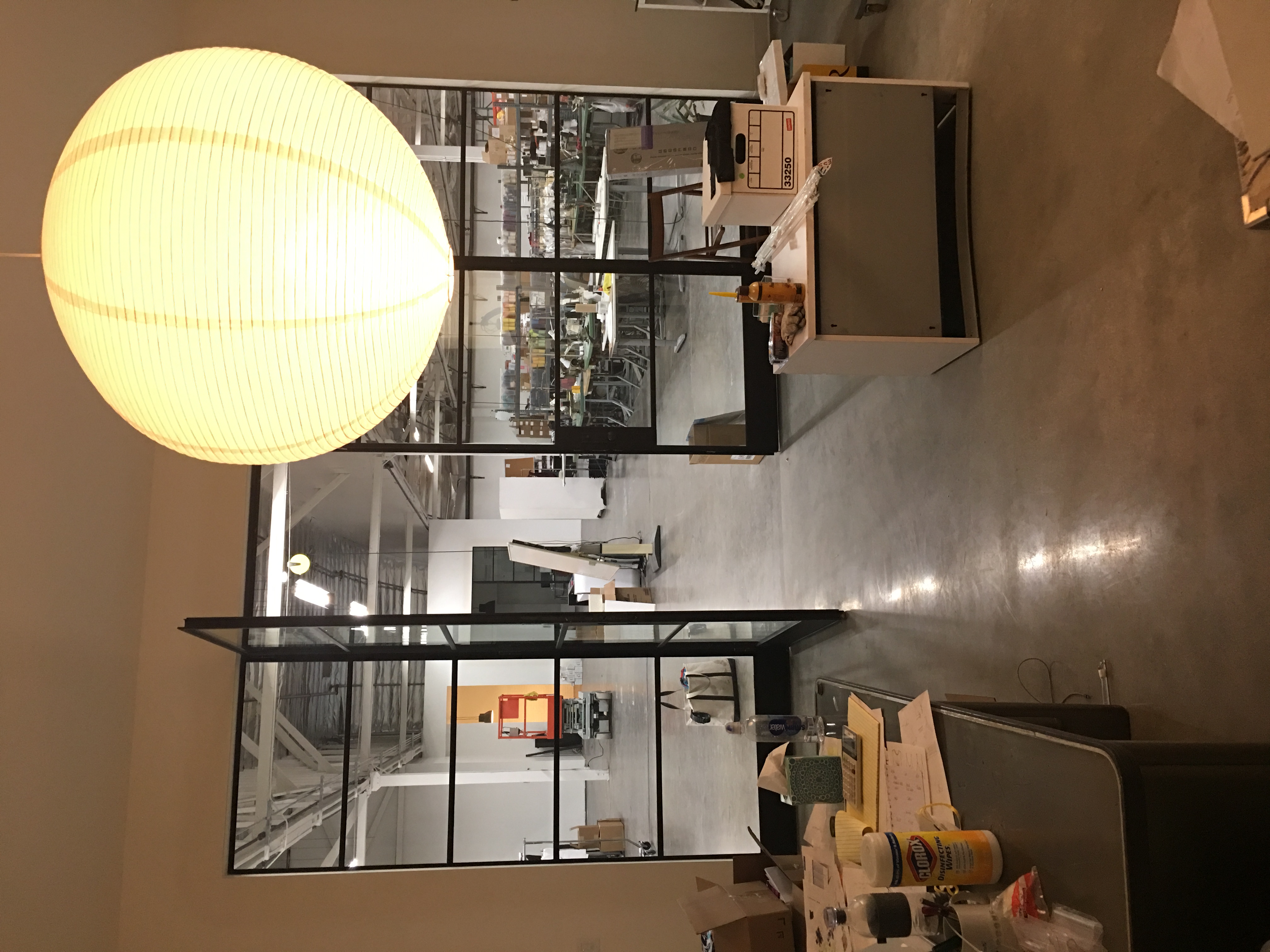
The modern workplace continues to evolve, and with it comes a growing demand for architectural elements that embody both functionality and aesthetic appeal. Among these elements, the steel interior door has emerged as a defining feature in contemporary office design. This trend reflects a broader shift toward minimalist principles that prioritize clean lines, industrial authenticity, and spaces that foster productivity while maintaining visual sophistication. Today's office environments require doors that not only serve their practical purpose but also contribute to the overall design narrative of professional spaces.
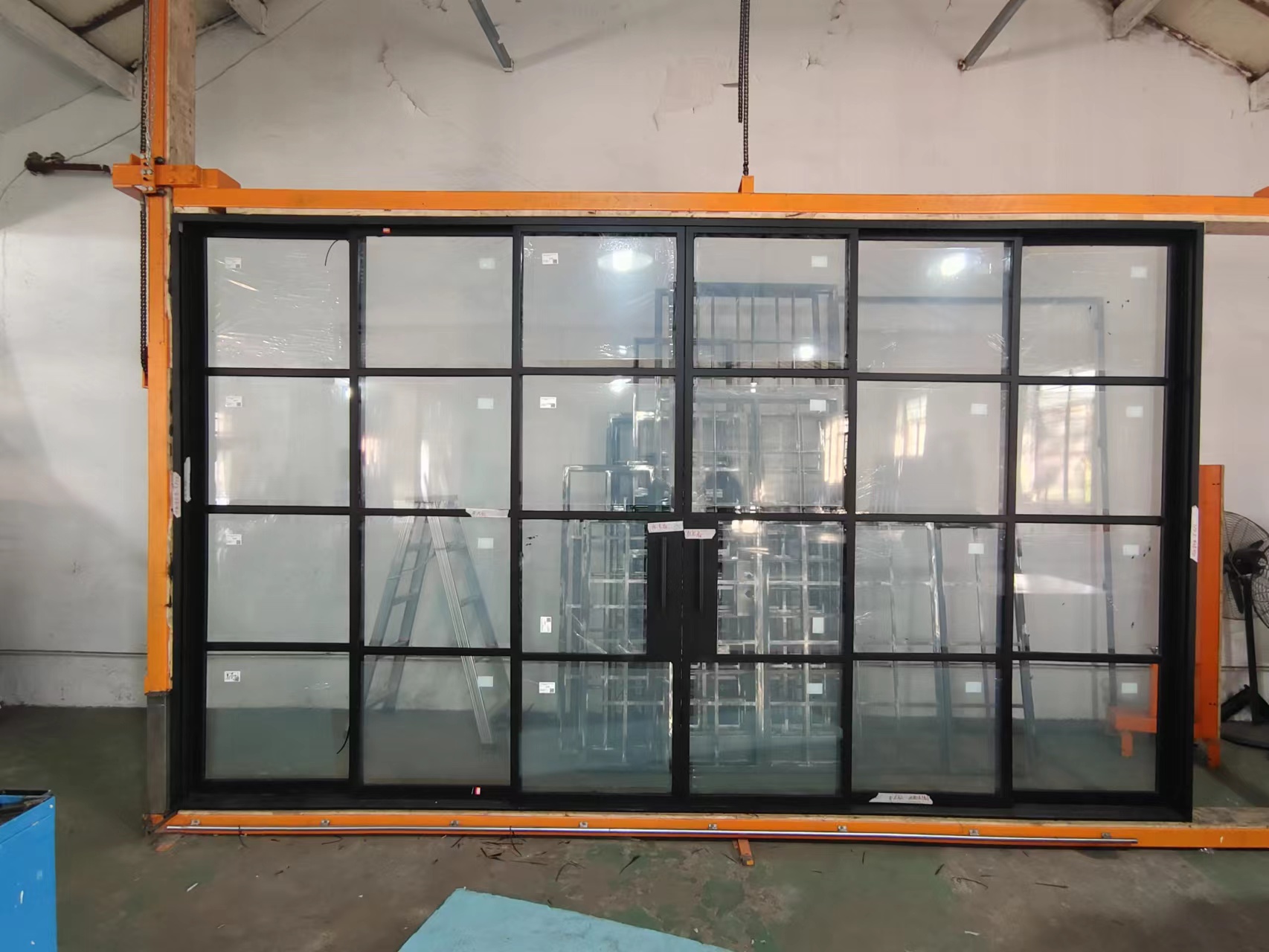
The popularity of minimalist steel door designs stems from their ability to seamlessly integrate into diverse architectural styles while providing durability that traditional materials often cannot match. These doors represent more than just entry points; they serve as architectural statements that communicate company values and design sensibilities to employees, clients, and visitors alike.
The Evolution of Office Door Design
Traditional Materials Give Way to Modern Innovation
Office design has undergone a remarkable transformation over the past two decades, moving away from heavy wooden doors and ornate designs toward streamlined solutions that emphasize transparency and openness. The steel interior door represents this evolution perfectly, offering a material choice that bridges industrial heritage with contemporary sophistication. Unlike traditional wooden doors that can appear dated or require extensive maintenance, steel doors provide longevity while maintaining their sleek appearance over time.
The shift toward steel materials in office environments also reflects changing workplace cultures that value transparency, collaboration, and visual connectivity between spaces. Steel doors, particularly those featuring glass panels, allow natural light to flow throughout office environments while maintaining necessary acoustic separation between different work zones.
Minimalism as a Design Philosophy
Minimalist design principles have gained significant traction in office environments as companies recognize the psychological benefits of uncluttered, purposeful spaces. The steel interior door embodies these principles through its clean geometric forms, absence of unnecessary ornamentation, and focus on material authenticity. This approach creates environments that feel spacious, organized, and conducive to focused work.
The minimalist steel door design also supports flexible office layouts that can adapt to changing business needs. Unlike ornate traditional doors that tie spaces to specific design eras, minimalist steel doors remain relevant across various interior design trends and can accommodate future office reconfigurations without appearing outdated or inappropriate.
Functional Advantages of Steel Interior Doors
Durability and Maintenance Benefits
Steel construction offers exceptional durability advantages that make it particularly suitable for high-traffic office environments. The steel interior door can withstand daily use without showing signs of wear that commonly affect wooden or composite alternatives. This durability translates to lower long-term maintenance costs and reduced replacement frequency, making steel doors an economically sound investment for office spaces.
The maintenance requirements for steel doors are minimal compared to traditional materials. Steel surfaces resist scratches, dents, and moisture damage that can compromise the appearance and functionality of other door materials. Regular cleaning with standard commercial cleaning products is typically sufficient to maintain the pristine appearance of steel doors throughout their service life.
Fire Safety and Security Features
Modern office environments require door solutions that meet stringent safety and security standards. The steel interior door provides inherent fire resistance properties that wooden doors cannot match, contributing to overall building safety protocols. Steel's non-combustible nature makes it an ideal choice for offices that prioritize fire safety compliance and occupant protection.
Security considerations also favor steel door construction, as steel provides superior resistance to forced entry attempts compared to traditional materials. This security advantage becomes particularly important for offices that house sensitive information or valuable equipment, where door integrity plays a crucial role in overall security planning.
Aesthetic Impact on Modern Office Environments
Visual Consistency and Brand Alignment
The sleek appearance of minimalist steel doors contributes to visual consistency throughout office environments, creating cohesive design narratives that reinforce brand identity and professional image. Companies increasingly recognize that their physical environments communicate important messages about their values, culture, and attention to detail. The steel interior door serves as a design element that supports these communication goals through its modern, professional appearance.
Steel doors offer design flexibility that allows architects and interior designers to create spaces that align with specific brand aesthetics. Whether the goal is to project innovation, reliability, or cutting-edge thinking, steel doors can be customized with various finishes, glass configurations, and hardware choices to support diverse brand positioning strategies.
Integration with Glass and Transparency Trends
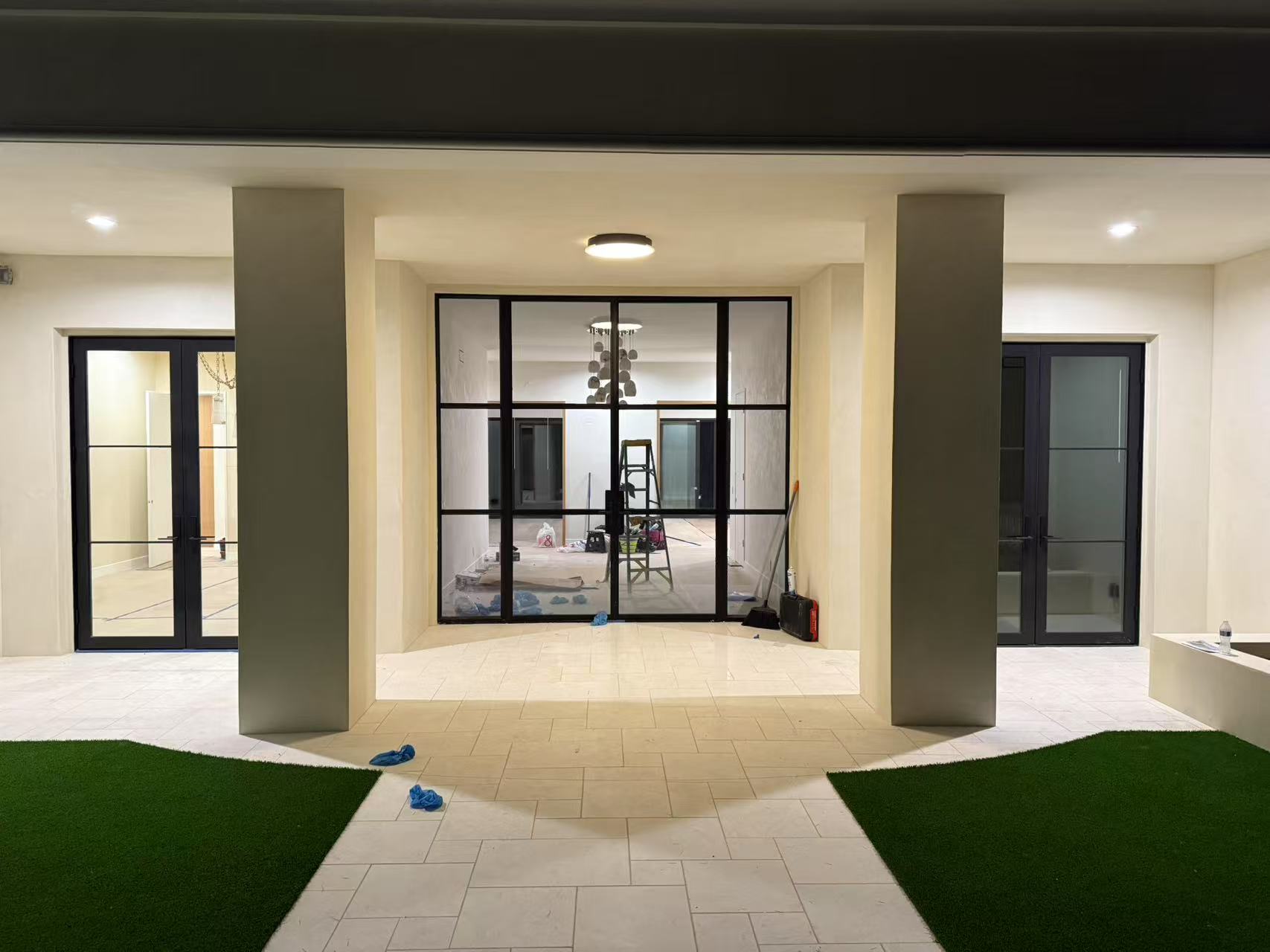
Contemporary office design increasingly emphasizes transparency and visual connectivity, trends that steel doors support exceptionally well. Steel frames can accommodate large glass panels that maintain visual openness while providing necessary acoustic separation between spaces. This integration allows offices to maintain the open, collaborative feel that modern workplaces require while still providing private spaces when needed.
The combination of steel frames with glass panels also maximizes natural light distribution throughout office environments. Natural light has proven benefits for employee wellbeing and productivity, making the steel interior door an important contributor to healthy workplace design strategies.
Cost Considerations and Long-Term Value
Initial Investment versus Long-Term Benefits
While steel interior doors may require higher initial investment compared to basic wooden alternatives, the long-term value proposition strongly favors steel construction. The durability of steel doors reduces replacement frequency, while their low maintenance requirements minimize ongoing operational costs. Over the typical lifespan of office interior elements, steel doors often prove more economical than initially less expensive alternatives.
The professional appearance of steel doors also contributes to property value and tenant satisfaction in commercial office environments. Building owners increasingly recognize that quality interior elements like steel doors attract and retain tenants who value professional, well-maintained work environments.
Energy Efficiency and Environmental Impact
Modern steel interior door designs often incorporate energy-efficient features that contribute to overall building performance. Steel doors can accommodate advanced glazing systems that provide thermal insulation while maintaining the desired aesthetic appearance. This energy efficiency supports corporate sustainability goals and can contribute to LEED certification objectives.
The recyclability of steel also aligns with environmental responsibility initiatives that many companies prioritize. At the end of their service life, steel doors can be recycled into new products, supporting circular economy principles and reducing environmental impact compared to materials that end up in landfills.
Installation and Customization Options
Flexible Design Configurations
Steel interior doors offer extensive customization possibilities that allow architects and designers to create unique solutions for specific office requirements. Frame profiles can be selected to complement existing architectural elements, while glass configurations can be tailored to balance privacy needs with transparency goals. Hardware options range from minimalist pulls to sophisticated access control systems that integrate with building security infrastructure.
The manufacturing flexibility of steel also enables custom sizing for non-standard openings, ensuring that steel interior door solutions can accommodate unique architectural requirements without compromising design integrity or functionality.
Integration with Building Systems
Modern office environments require door solutions that integrate seamlessly with building management systems, access control technology, and fire safety equipment. Steel doors readily accommodate these system requirements through their structural strength and adaptability to various hardware installations. This integration capability makes the steel interior door an ideal choice for smart building applications where doors must interface with multiple building systems.
The precision manufacturing processes used for steel doors also ensure consistent quality and dimensional accuracy that facilitates smooth integration with building systems and reduces installation complications that can arise with less precisely manufactured door products.
FAQ
How do steel interior doors compare to wooden doors in terms of sound insulation
Steel interior doors typically provide superior sound insulation compared to standard wooden doors, especially when combined with appropriate sealing systems and glass configurations. The density and structural integrity of steel, combined with proper installation techniques, creates effective barriers against sound transmission. For optimal acoustic performance, steel doors can be specified with specialized glazing and weather sealing systems that further enhance their sound reduction capabilities.
What maintenance is required to keep steel interior doors looking professional
Steel interior doors require minimal maintenance to maintain their professional appearance. Regular cleaning with mild commercial cleaning products and soft cloths is typically sufficient to remove fingerprints, dust, and normal wear marks. The powder-coated finishes commonly used on steel doors are highly resistant to scratches and fading, eliminating the need for periodic refinishing that wooden doors often require. Annual inspection of hardware and sealing systems ensures optimal performance and longevity.
Can steel interior doors accommodate access control systems and smart building technology
Yes, steel interior doors are exceptionally well-suited for integration with modern access control systems and smart building technology. The structural strength of steel frames easily accommodates electronic locks, card readers, biometric systems, and other access control hardware without compromising door integrity. Steel doors can also integrate with building management systems for monitoring, automated controls, and security reporting, making them ideal for contemporary office environments that rely on advanced building technologies.
Are steel interior doors suitable for all types of office environments
Steel interior doors are versatile enough to suit most office environments, from traditional corporate settings to modern co-working spaces and creative agencies. Their clean, professional appearance adapts well to various design aesthetics, while their durability makes them appropriate for both low and high-traffic areas. However, specific applications may require careful consideration of factors such as acoustic requirements, security needs, and integration with existing architectural elements to ensure optimal performance and aesthetic compatibility.
Table of Contents
- The Evolution of Office Door Design
- Functional Advantages of Steel Interior Doors
- Aesthetic Impact on Modern Office Environments
- Cost Considerations and Long-Term Value
- Installation and Customization Options
-
FAQ
- How do steel interior doors compare to wooden doors in terms of sound insulation
- What maintenance is required to keep steel interior doors looking professional
- Can steel interior doors accommodate access control systems and smart building technology
- Are steel interior doors suitable for all types of office environments