 EN
EN

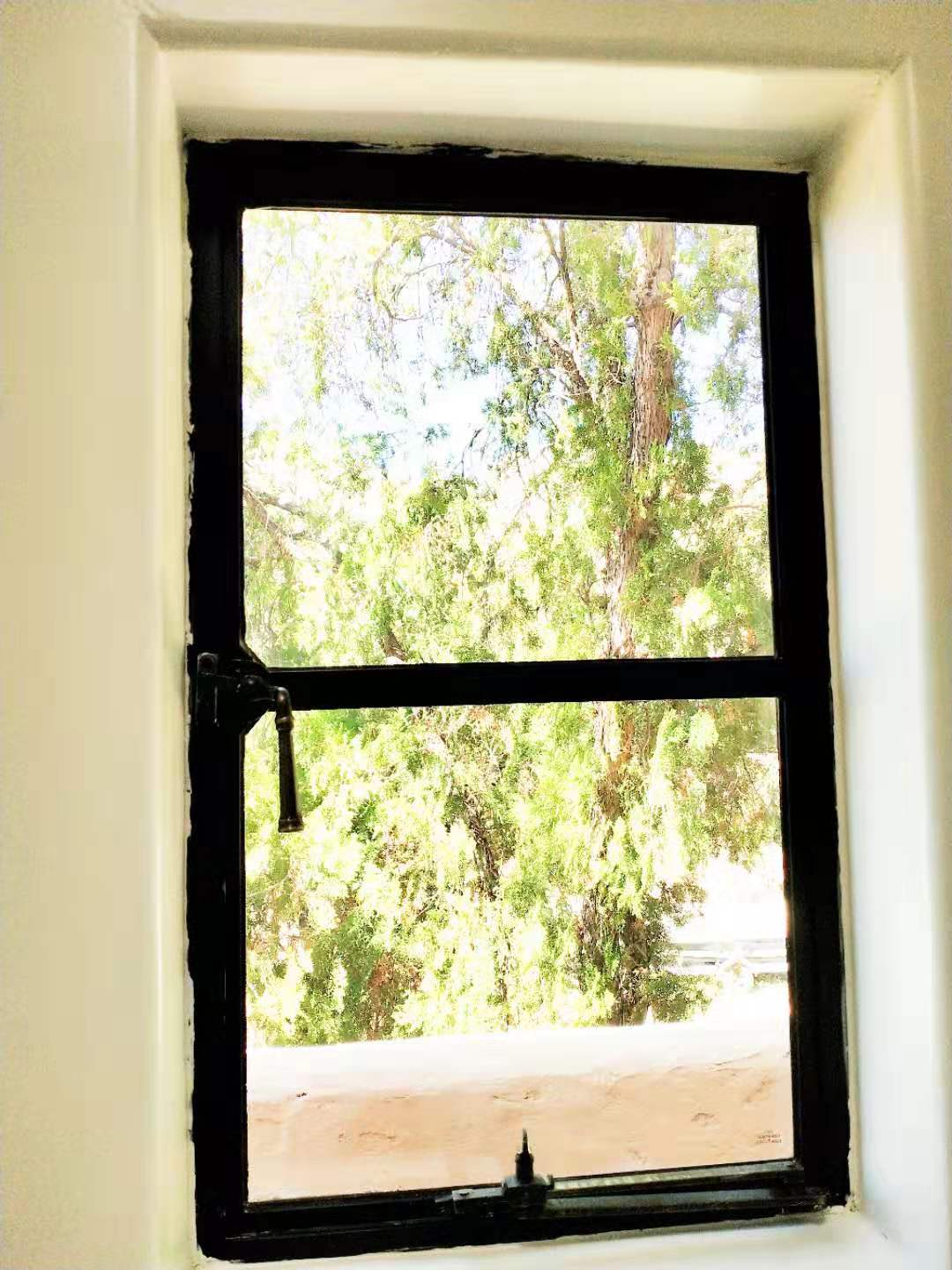
Coastal environments present unique challenges for building materials, with salt air, moisture, and harsh weather conditions constantly threatening the integrity of structures. When selecting windows for homes and commercial buildings in these demanding locations, property owners must consider materials that can withstand corrosive elements while maintaining aesthetic appeal and functionality. A stainless steel window emerges as the superior choice for coastal applications, offering unparalleled resistance to environmental stressors that would quickly degrade other materials.
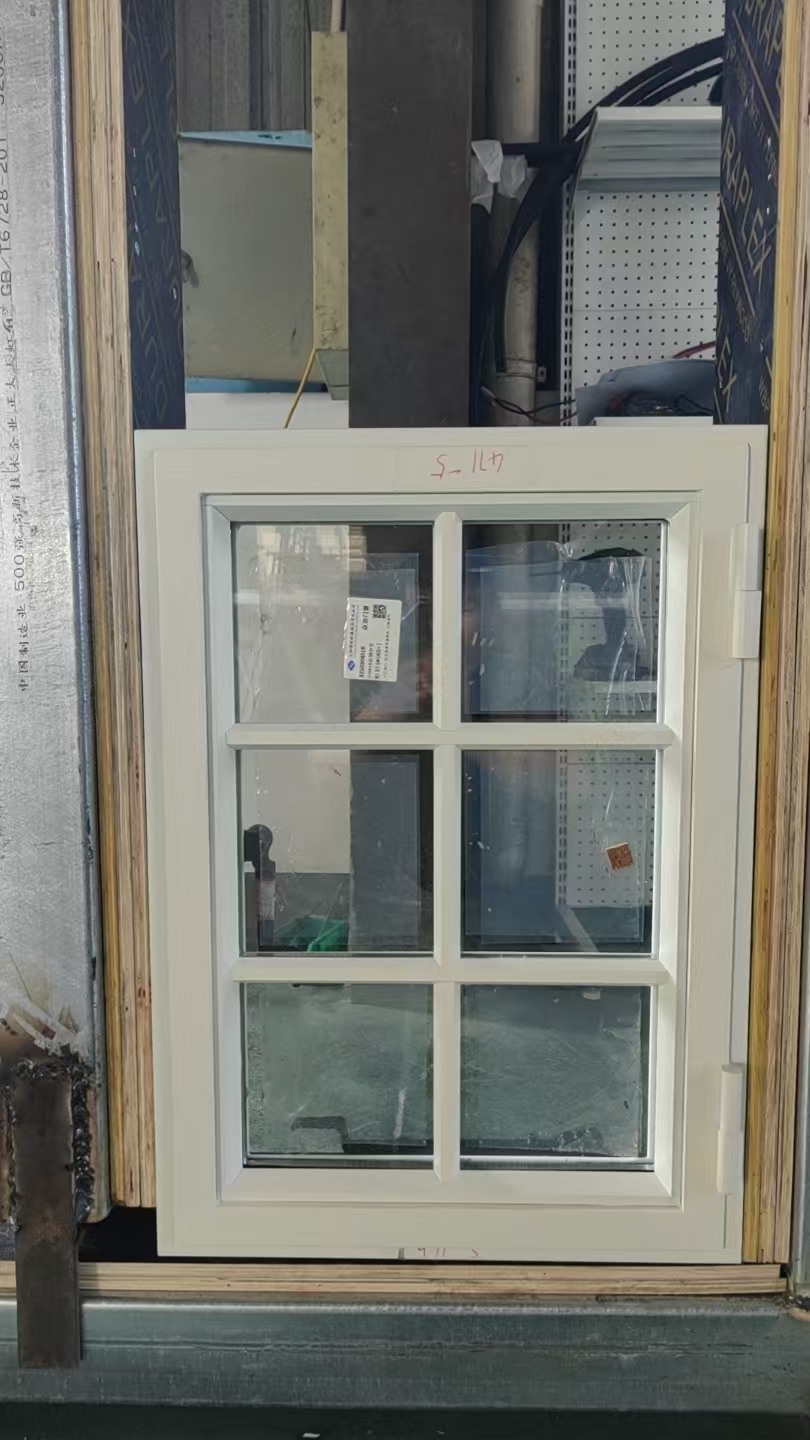
The corrosive nature of coastal air creates an accelerated deterioration process for traditional window materials. Salt particles carried by ocean winds penetrate even the smallest gaps in protective coatings, initiating oxidation processes that compromise structural integrity. Standard aluminum frames, despite their lightweight properties, often succumb to pitting and surface degradation within years of installation. Wood frames, while aesthetically pleasing, require constant maintenance and are particularly vulnerable to moisture infiltration and salt damage in marine environments.
Understanding the specific challenges faced by coastal properties helps property owners make informed decisions about window selection. The combination of high humidity, temperature fluctuations, and salt exposure creates a perfect storm for material degradation. These conditions demand window solutions that go beyond basic functionality to provide long-term durability and minimal maintenance requirements.
Corrosion Resistance Properties
Chemical Composition Advantages
The exceptional durability of a stainless steel window stems from its unique metallurgical composition, specifically the presence of chromium content that forms a protective oxide layer on the surface. This self-healing passive film continuously regenerates when damaged, providing ongoing protection against corrosive elements commonly found in coastal environments. The chromium content, typically ranging from 10.5% to 30% depending on the grade, creates an invisible barrier that prevents oxygen and moisture from reaching the underlying metal substrate.
Marine-grade stainless steel formulations incorporate additional alloying elements such as molybdenum and nickel, which enhance resistance to chloride-induced corrosion. These elements work synergistically to create a material matrix that maintains structural integrity even under constant exposure to salt spray and humid conditions. The molecular structure of these alloys provides superior performance compared to traditional window materials, ensuring decades of reliable service in challenging coastal environments.
Surface Protection Mechanisms
The passive film formation on stainless steel surfaces represents a remarkable self-protecting mechanism that distinguishes this material from other metals used in window construction. When exposed to oxygen, the chromium content immediately forms a thin, transparent oxide layer that bonds tightly to the metal surface. This film possesses excellent adhesion properties and remarkable stability under varying environmental conditions, providing continuous protection without requiring external coatings or treatments.
Even when the passive film experiences mechanical damage from impacts or abrasion, it regenerates rapidly in the presence of oxygen and moisture. This self-healing characteristic ensures that a stainless steel window maintains its protective properties throughout its service life, eliminating the need for frequent refinishing or protective coating applications. The regenerative capability of this oxide layer provides peace of mind for coastal property owners who face ongoing exposure to harsh environmental conditions.
Weather Resistance Benefits
Hurricane and Storm Performance
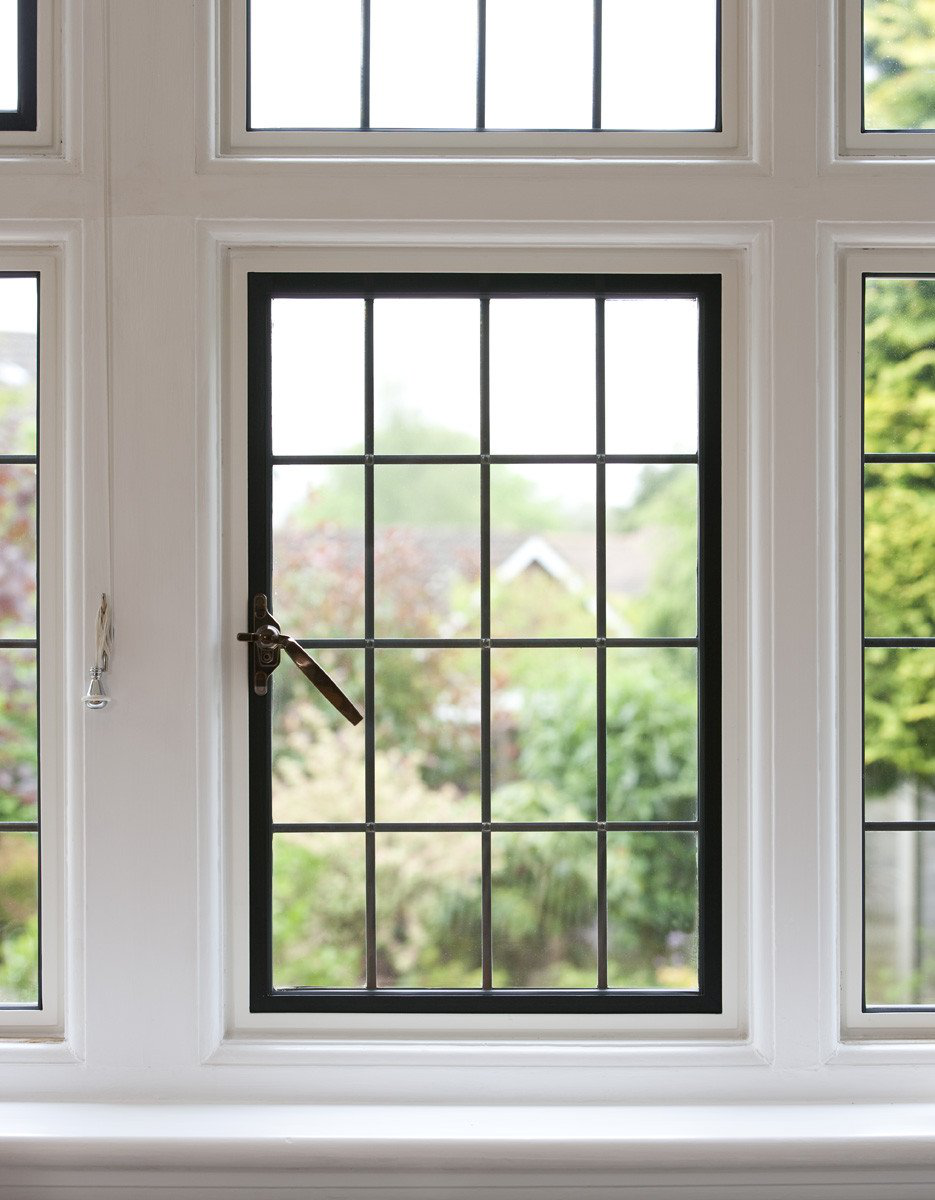
Coastal regions frequently experience severe weather events, including hurricanes, tropical storms, and intense wind conditions that can devastate buildings with inadequate window systems. A stainless steel window demonstrates exceptional structural integrity under extreme loading conditions, maintaining frame stability and glazing retention even during category-rated storm events. The material's high tensile strength and ductility allow it to flex under wind pressure without permanent deformation or failure.
Independent testing data confirms that properly engineered stainless steel window systems can withstand wind pressures exceeding 200 miles per hour while maintaining watertight seals and structural integrity. This performance level provides crucial protection for both residential and commercial properties in hurricane-prone coastal areas. The combination of material strength and advanced engineering ensures that occupants remain safe during severe weather events while protecting valuable interior contents from water damage and debris infiltration.
The dimensional stability of stainless steel under varying temperature conditions contributes significantly to long-term weather resistance. Unlike materials that expand and contract dramatically with temperature changes, stainless steel maintains consistent dimensions across wide temperature ranges. This stability prevents the development of gaps and air leaks that compromise energy efficiency and weather protection over time.
Thermal Cycling Resistance
Daily temperature fluctuations in coastal environments can range from cool ocean breezes to intense solar heating, creating challenging thermal cycling conditions for building materials. A stainless steel window exhibits excellent dimensional stability under these varying temperature conditions, preventing the warping, cracking, or joint separation commonly observed in other materials. The low coefficient of thermal expansion ensures that window frames maintain proper alignment and sealing integrity throughout seasonal temperature variations.
The thermal mass properties of stainless steel contribute to improved energy efficiency by moderating internal temperature fluctuations. This thermal stability reduces stress on glazing systems and weather sealing components, extending their service life and maintaining optimal performance characteristics. Property owners benefit from reduced maintenance requirements and lower long-term operating costs associated with window system replacements and repairs.
Longevity and Maintenance Advantages
Service Life Expectations
Investment in a stainless steel window system provides exceptional long-term value through extended service life that often exceeds 50 years in coastal applications. This longevity stems from the material's inherent resistance to degradation mechanisms that affect other window materials, including corrosion, UV radiation, and mechanical wear. Property owners can expect decades of reliable performance without significant deterioration in appearance or functionality.
Comparative studies of window materials in marine environments demonstrate that stainless steel window systems maintain their structural integrity and appearance far longer than aluminum, vinyl, or wood alternatives. The absence of protective coatings that require periodic renewal eliminates a major maintenance concern and associated cost burden. This durability translates into significant lifecycle cost savings when evaluated over the typical ownership period of coastal properties.
Maintenance Requirements
The maintenance requirements for stainless steel window systems in coastal environments are minimal compared to other materials, primarily involving periodic cleaning to remove salt deposits and environmental contaminants. Simple washing with mild detergent and water effectively removes surface accumulations without damaging the protective oxide layer. The absence of painted or coated surfaces eliminates the need for refinishing operations that represent major maintenance expenses for other window types.
Hardware components constructed from marine-grade stainless steel maintain smooth operation throughout their service life without requiring lubrication or adjustment. The corrosion resistance of these components ensures reliable locking, opening, and closing functions even after years of exposure to salt air and moisture. This operational reliability provides security and convenience while minimizing maintenance interventions and associated costs.
Energy Efficiency Considerations
Thermal Performance Characteristics
Modern stainless steel window designs incorporate thermal break technology and advanced glazing systems to achieve excellent energy efficiency ratings. The thermal conductivity properties of stainless steel, when properly managed through frame design, contribute to effective temperature control and reduced energy consumption. Strategic placement of insulating materials within frame profiles creates thermal barriers that prevent unwanted heat transfer between interior and exterior environments.
The dimensional stability of stainless steel frames ensures that weather sealing systems maintain optimal performance over time, preventing air infiltration that compromises energy efficiency. Consistent frame geometry allows for precise fitting of glazing units and weather stripping components, creating effective barriers against unwanted air exchange. This sealing integrity becomes increasingly important in coastal environments where wind-driven air infiltration can significantly impact heating and cooling costs.
Solar Heat Management
Coastal properties often experience intense solar radiation that can create uncomfortable interior conditions and increase cooling loads. A stainless steel window system can accommodate high-performance glazing options, including low-emissivity coatings and solar control films, that effectively manage solar heat gain while maintaining natural light transmission. The structural strength of stainless steel frames supports heavier glazing units that provide superior thermal performance compared to standard glass options.
The reflective properties of stainless steel surfaces contribute to reduced solar heat absorption on frame components, helping maintain comfortable interior temperatures during peak summer conditions. This thermal management capability reduces the burden on air conditioning systems and contributes to overall energy efficiency. Property owners benefit from lower utility costs and improved comfort levels throughout the year.
Aesthetic and Design Benefits
Architectural Versatility
The design flexibility of stainless steel window systems allows architects and designers to create stunning coastal properties that complement marine environments while providing exceptional durability. The material's ability to be formed into complex profiles and configurations enables custom designs that meet specific architectural requirements. From sleek contemporary styles to traditional coastal aesthetics, stainless steel frames can be engineered to achieve virtually any design objective.
Surface finishing options for stainless steel provide additional design possibilities, including brushed, polished, and textured surfaces that enhance visual appeal while maintaining corrosion resistance. These finishes remain stable over time without fading or deterioration, ensuring that the architectural character of coastal properties is preserved throughout the building's service life. The timeless appearance of stainless steel complements both modern and traditional architectural styles.
Color and Finish Stability
Unlike painted or anodized window materials that fade or discolor under intense coastal UV exposure, a stainless steel window maintains its original appearance indefinitely. The natural metallic luster of stainless steel does not require protective coatings that deteriorate over time, eliminating concerns about color matching during partial replacements or additions. This color stability ensures consistent appearance across large window installations and provides design continuity for multi-phase construction projects.
The reflective properties of stainless steel surfaces create dynamic visual effects that change with lighting conditions and viewing angles, adding visual interest to coastal facades. This natural variability in appearance enhances architectural character without requiring artificial treatments or coatings. Property owners appreciate the sophisticated appearance that stainless steel window systems provide while knowing that this aesthetic appeal will not diminish over time.
Installation and Engineering Considerations
Structural Integration
Proper installation of a stainless steel window system requires careful attention to structural integration and compatibility with surrounding building materials. The strength characteristics of stainless steel allow for larger window openings and reduced frame profiles compared to weaker materials, providing enhanced views and natural light penetration. Structural calculations must account for the material properties and loading conditions specific to coastal environments, including wind uplift and lateral forces.
Galvanic compatibility between stainless steel window frames and adjacent building materials requires proper design consideration to prevent accelerated corrosion of dissimilar metals. Isolation techniques and appropriate fastener selection ensure long-term compatibility while maintaining structural integrity. Professional installation teams experienced with marine construction practices provide optimal results and warranty coverage for coastal applications.
Quality Assurance Standards
Manufacturing standards for stainless steel window systems in coastal applications must meet stringent quality requirements that ensure consistent performance and durability. Material certifications verify the chemical composition and mechanical properties of stainless steel components, providing assurance that specified performance levels will be achieved. Third-party testing and certification programs validate system performance under simulated coastal conditions.
Quality control processes during manufacturing include dimensional verification, surface finish inspection, and assembly tolerance checks that ensure proper fit and function. These procedures minimize field installation issues and provide confidence in long-term performance. Property owners should specify certified products and qualified installation contractors to maximize the benefits of stainless steel window systems in coastal environments.
FAQ
How long do stainless steel windows last in coastal environments
Stainless steel windows in coastal environments typically provide 50 years or more of reliable service with minimal maintenance. The corrosion-resistant properties of marine-grade stainless steel alloys ensure exceptional longevity even under constant exposure to salt air and moisture. This extended service life significantly exceeds that of aluminum, vinyl, or wood window systems in similar conditions, making stainless steel windows a cost-effective long-term investment for coastal properties.
What maintenance is required for stainless steel windows near the ocean
Maintenance requirements for stainless steel windows in coastal locations are minimal, primarily involving periodic cleaning with mild soap and water to remove salt deposits and environmental contaminants. The self-protecting oxide layer on stainless steel surfaces eliminates the need for protective coatings or refinishing operations. Annual inspection of weather sealing components and hardware operation ensures continued performance, but major maintenance interventions are rarely necessary with properly specified marine-grade materials.
Can stainless steel windows withstand hurricane conditions
Properly engineered stainless steel window systems can withstand hurricane-force winds exceeding 200 mph while maintaining structural integrity and weather protection. The high strength-to-weight ratio of stainless steel allows frames to flex under extreme loading without permanent deformation or failure. Impact-resistant glazing options and reinforced frame designs provide additional protection against wind-borne debris during severe weather events, making them ideal for hurricane-prone coastal areas.
Are stainless steel windows energy efficient in coastal climates
Modern stainless steel window designs incorporate thermal break technology and high-performance glazing systems that achieve excellent energy efficiency ratings in coastal climates. The dimensional stability of stainless steel frames ensures consistent weather sealing that prevents air infiltration and maintains thermal performance over time. Advanced glazing options, including low-emissivity coatings and solar control films, effectively manage heat gain while maximizing natural light transmission, contributing to reduced energy consumption and improved comfort levels.