 EN
EN

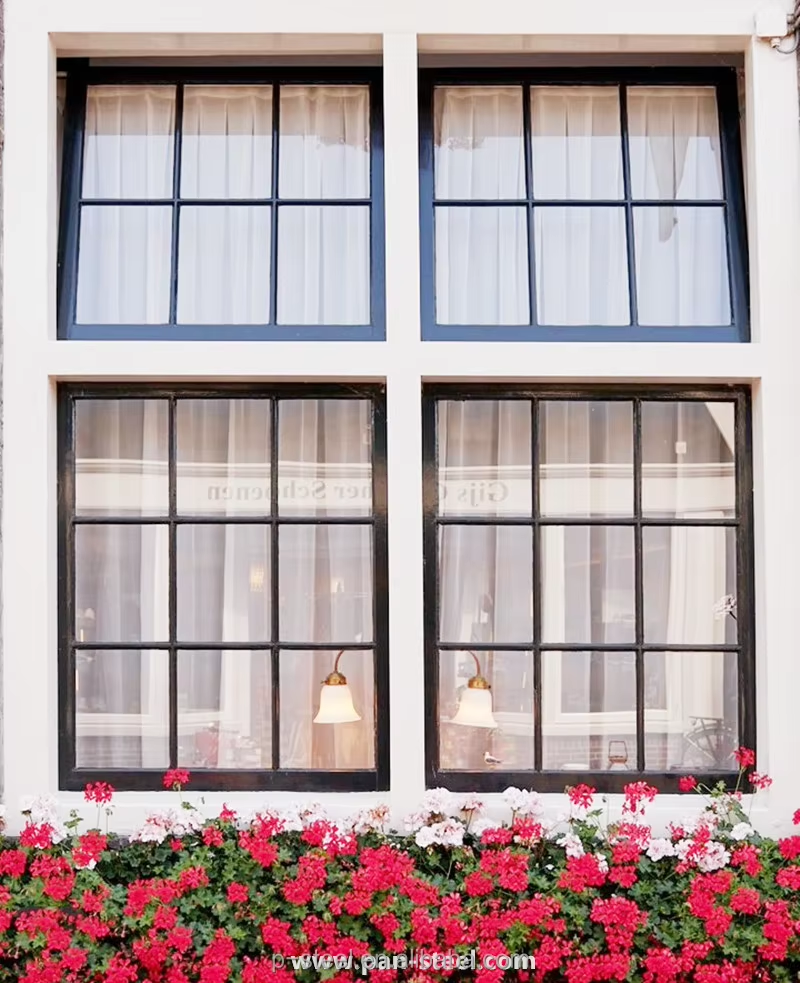
Modern architectural design demands materials that combine aesthetic appeal with structural integrity and longevity. Steel doors window solutions have emerged as a premier choice for contemporary buildings, offering architects and designers unprecedented flexibility in creating stunning facades while maintaining superior performance standards. The integration of steel framing systems in both residential and commercial projects reflects a growing trend toward industrial-inspired design elements that emphasize clean lines, durability, and minimal maintenance requirements.
The architectural landscape has witnessed a significant shift toward materials that embody both form and function. Steel doors window systems exemplify this evolution by providing designers with the ability to create expansive glass surfaces supported by slender yet robust steel profiles. This combination allows for maximum natural light penetration while maintaining structural stability, creating interior spaces that feel connected to the outdoor environment without compromising security or weather protection.
Superior Structural Performance and Engineering Excellence
Load-Bearing Capabilities and Seismic Resistance
Steel doors window systems demonstrate exceptional load-bearing capabilities that surpass traditional materials in demanding architectural applications. The inherent strength of steel allows for larger openings with minimal framing, creating unobstructed views while maintaining structural integrity. Modern steel profiles undergo precise engineering calculations to ensure optimal weight distribution and seismic resistance, making them suitable for high-rise buildings and earthquake-prone regions.
Advanced manufacturing techniques enable steel doors window assemblies to withstand extreme weather conditions including hurricane-force winds and heavy snow loads. The material's consistent performance under stress makes it an ideal choice for buildings requiring long-term structural reliability. Engineers appreciate the predictable behavior of steel under various load conditions, allowing for more accurate structural calculations and safer building designs.
Thermal Performance and Energy Efficiency
Contemporary steel doors window systems incorporate sophisticated thermal break technology that significantly improves energy efficiency compared to traditional steel applications. Multi-chamber profiles with polyamide thermal barriers create effective insulation zones that prevent heat transfer between interior and exterior environments. This thermal separation enables steel systems to achieve energy ratings comparable to high-performance aluminum or composite materials.
The integration of high-performance glazing systems with steel frames creates exceptional thermal envelopes that contribute to reduced HVAC costs and improved occupant comfort. Triple-glazed units with low-emissivity coatings can be accommodated within steel profiles without compromising structural integrity, resulting in buildings that meet or exceed current energy codes while maintaining the desired aesthetic characteristics.
Architectural Design Flexibility and Aesthetic Integration
Customizable Profile Configurations
The malleability of steel during manufacturing allows for virtually unlimited profile configurations, enabling architects to realize complex design visions without material constraints. Custom extrusions can incorporate specific dimensional requirements, decorative elements, and functional features that align with unique project specifications. This design flexibility extends to color options, with powder coating and anodizing processes providing durable finishes in countless hues and textures.
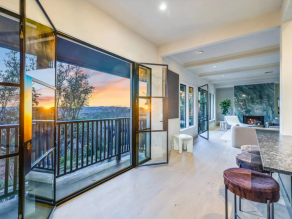
Steel doors window systems can seamlessly integrate with various architectural styles, from minimalist contemporary designs to industrial-inspired facades. The material's ability to span large openings with minimal visual interruption makes it particularly valuable for creating dramatic entrance sequences and expansive curtain wall applications. Architects often specify steel systems when pursuing LEED certification, as the material's durability and recyclability contribute significantly to sustainable building goals.
Integration with Smart Building Technologies
Modern steel doors window systems readily accommodate integrated technology solutions including automated opening mechanisms, integrated security sensors, and climate control interfaces. The structural strength of steel frames provides stable mounting points for heavy motorized hardware while maintaining smooth operation over extended service life. Smart glass technology can be incorporated into steel doors window assemblies, creating dynamic facades that respond to changing environmental conditions.
Building automation systems benefit from the precise fabrication tolerances achievable with steel framing, ensuring reliable sensor placement and consistent performance of integrated systems. The electromagnetic properties of steel can be leveraged for wireless communication systems and security applications, making it an ideal choice for technologically advanced building projects.
Long-Term Value and Maintenance Considerations
Durability and Weather Resistance
Steel doors window systems demonstrate exceptional longevity when properly manufactured and finished, often exceeding the service life of the buildings they adorn. Advanced coating technologies including zinc-rich primers, polyester powder coatings, and fluoropolymer finishes provide superior protection against corrosion and weathering. Regular maintenance requirements are minimal compared to wood or composite alternatives, consisting primarily of periodic cleaning and inspection of moving components.
The dimensional stability of steel under varying temperature conditions ensures consistent operation and weather sealing throughout seasonal cycles. Unlike materials that expand and contract significantly, steel maintains tight tolerances that preserve energy efficiency and security performance over time. This stability reduces long-term maintenance costs and extends the intervals between major refurbishment projects.
Lifecycle Cost Analysis and Return on Investment
While initial investment costs for steel doors window systems may exceed some alternative materials, the total cost of ownership typically favors steel over extended building lifecycles. Reduced maintenance requirements, superior energy performance, and extended service life contribute to favorable return on investment calculations. Insurance premiums may be reduced due to the fire resistance and security characteristics inherent in properly designed steel systems.
The recyclability of steel at end-of-life provides additional value recovery that should be considered in comprehensive cost analyses. Unlike composite materials that require disposal in landfills, steel components can be completely recycled into new products without quality degradation, supporting circular economy principles and potentially generating revenue during building demolition or renovation projects.
Security and Safety Performance Standards
Intrusion Resistance and Access Control
Steel doors window systems provide inherent security advantages that make them particularly suitable for commercial and institutional applications requiring controlled access. The material's resistance to forced entry exceeds most alternative framing materials, while accommodating sophisticated locking mechanisms and access control hardware. Multi-point locking systems can be easily integrated into steel profiles without compromising structural integrity or aesthetic appeal.
Bulletproof and blast-resistant configurations are achievable with specialized steel doors window designs, making them essential for government buildings, financial institutions, and other high-security applications. The predictable failure modes of steel under extreme loading allow security engineers to design systems that provide occupant protection while maintaining egress capabilities during emergency situations.
Fire Safety and Emergency Egress
Steel doors window assemblies can be engineered to meet specific fire resistance ratings required by building codes and insurance providers. Fire-rated steel systems maintain structural integrity during fire events, providing crucial time for occupant evacuation and emergency response. Integrated fire suppression systems can be mounted directly to steel frames, creating comprehensive life safety solutions.
Emergency egress hardware integrates seamlessly with steel doors window systems, ensuring code compliance while maintaining security during normal operations. Panic hardware, electromagnetic locks, and automatic release mechanisms can be incorporated without compromising the visual continuity of the facade or reducing the system's weather resistance performance.
FAQ
What maintenance is required for steel doors window systems in harsh climates
Steel doors window systems in harsh climates require minimal maintenance when properly finished and installed. Annual inspections should focus on cleaning drainage channels, lubricating moving components, and checking weather sealing integrity. Protective coatings typically require renewal every 10-15 years depending on environmental exposure, with localized touch-up painting addressing any minor scratches or wear areas that may develop over time.
How do steel doors window systems compare to aluminum in terms of thermal performance
Modern steel doors window systems with thermal breaks achieve comparable thermal performance to aluminum systems while offering superior structural capabilities. The thermal conductivity difference is effectively negated by advanced thermal barrier technologies, while steel's higher strength allows for larger spans and thinner profiles. Energy efficiency ratings depend more on glazing specifications and overall system design than on the choice between steel and aluminum framing materials.
Can steel doors window systems accommodate impact-resistant glazing requirements
Steel doors window systems readily accommodate impact-resistant glazing including laminated glass, polycarbonate panels, and composite glazing materials. The robust framing structure provides secure mounting for heavy impact-resistant glazing units without requiring additional structural reinforcement. Hurricane-rated and security glazing systems are commonly integrated with steel frames in applications requiring enhanced protection against severe weather or security threats.
What fire resistance ratings are achievable with steel doors window systems
Steel doors window systems can achieve fire resistance ratings ranging from 20 minutes to 3 hours depending on specific design requirements and glazing specifications. Fire-rated configurations incorporate specialized glazing materials, intumescent seals, and reinforced frame sections that maintain integrity during fire exposure. These systems must be tested and certified by recognized laboratories to ensure compliance with local fire codes and building regulations.
Table of Contents
- Superior Structural Performance and Engineering Excellence
- Architectural Design Flexibility and Aesthetic Integration
- Long-Term Value and Maintenance Considerations
- Security and Safety Performance Standards
-
FAQ
- What maintenance is required for steel doors window systems in harsh climates
- How do steel doors window systems compare to aluminum in terms of thermal performance
- Can steel doors window systems accommodate impact-resistant glazing requirements
- What fire resistance ratings are achievable with steel doors window systems