 EN
EN

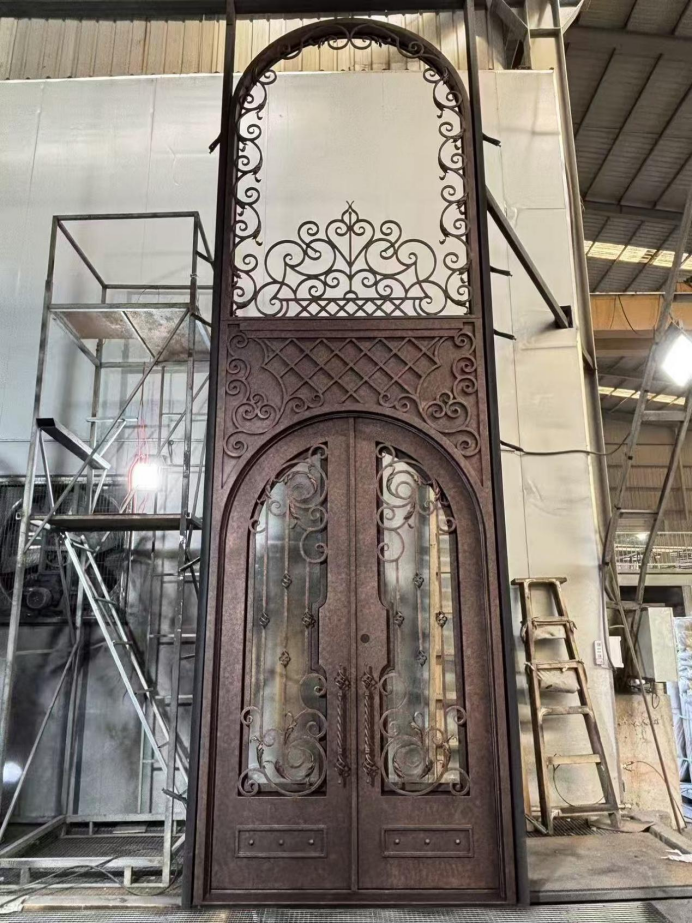
Selecting the right steel entry door for your home represents one of the most important decisions homeowners face when enhancing security, energy efficiency, and curb appeal. A well-chosen steel entry door not only protects your family and belongings but also serves as the focal point of your home's exterior design. With numerous options available in today's market, understanding the key factors that differentiate quality steel doors from mediocre alternatives becomes essential for making an informed investment that will serve your household for decades to come.
Understanding Steel Entry Door Construction and Materials
Core Steel Composition and Gauge Specifications
The foundation of any quality steel entry door lies in its core construction and steel gauge thickness. Premium steel doors typically utilize 20-gauge or 18-gauge steel, which provides superior strength and durability compared to thinner alternatives. The steel gauge directly impacts the door's ability to resist forced entry attempts, weather conditions, and daily wear from regular use. When evaluating options, examine the manufacturer's specifications to ensure the steel meets industry standards for residential security applications.
Modern steel entry door construction incorporates multiple layers designed to optimize performance across various environmental conditions. The outer steel skin provides structural integrity and weather resistance, while interior foam cores enhance thermal efficiency and reduce sound transmission. High-quality doors feature polyurethane foam insulation that expands to fill gaps completely, creating superior energy efficiency compared to polystyrene alternatives commonly found in budget options.
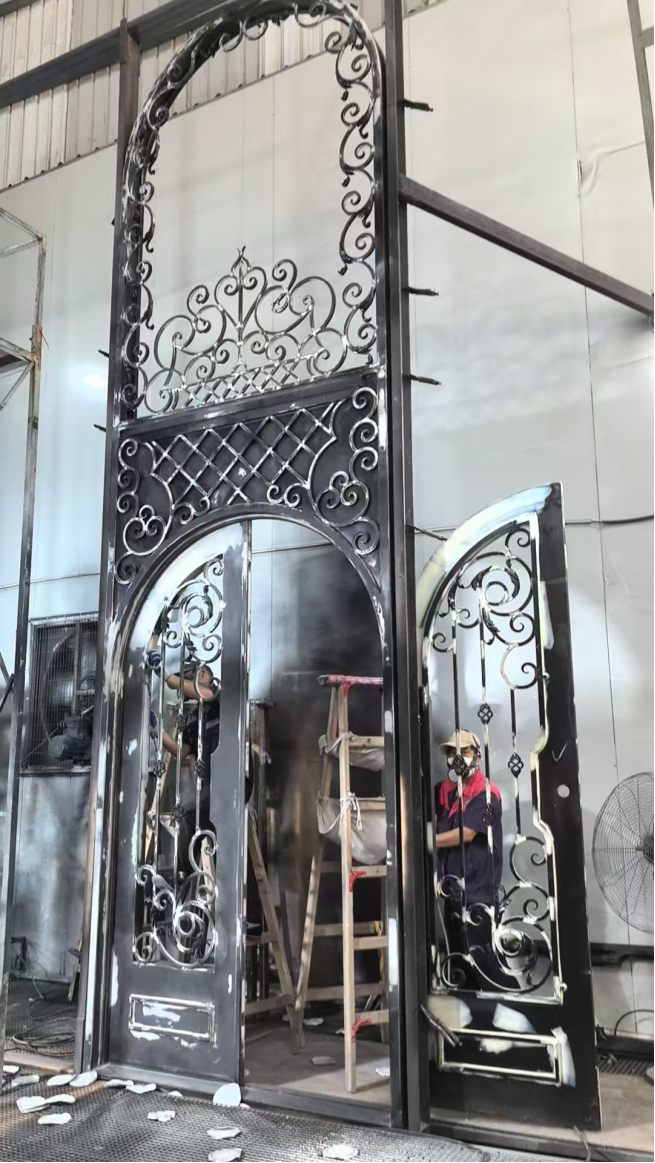
Insulation Properties and Energy Performance
Energy efficiency represents a critical consideration when selecting residential entry doors, particularly in regions experiencing extreme seasonal temperature variations. Premium steel doors incorporate advanced insulation technologies that significantly reduce heat transfer, helping maintain comfortable indoor temperatures while minimizing heating and cooling costs. Look for doors featuring R-values between R-5 and R-8, which indicate superior thermal performance suitable for most climate zones.
The thermal break technology integrated into quality steel doors prevents condensation formation and eliminates cold spots around the door frame. This feature proves especially important in humid climates where moisture accumulation can lead to mold growth or structural damage over time. Proper insulation also contributes to noise reduction, creating a quieter indoor environment by blocking external sounds from traffic, neighborhood activities, and weather events.
Security Features and Hardware Considerations
Locking Mechanisms and Entry Systems
Contemporary steel entry doors offer sophisticated locking systems designed to provide multiple layers of security protection. Multi-point locking mechanisms engage at three or more points along the door frame, distributing force across a larger area and making unauthorized entry significantly more difficult. These systems typically include deadbolts at the standard height plus additional locking points at the top and bottom of the door frame.
Smart lock integration has become increasingly popular among homeowners seeking convenience without compromising security. Many steel entry door manufacturers now offer pre-drilled options compatible with electronic deadbolts, keypad systems, and smartphone-controlled access devices. When selecting smart lock options, ensure compatibility with your home's existing electrical systems and consider backup power solutions for continuous operation during outages.
Reinforcement Components and Strike Plates
The strength of your steel entry door depends heavily on proper reinforcement components throughout the frame assembly. Heavy-duty strike plates measuring at least four inches in length provide superior resistance against kick-in attempts compared to standard residential hardware. Quality installations include long screws that penetrate deep into the wall framing, anchoring the strike plate securely to structural elements rather than just the door jamb.
Reinforced hinges represent another crucial security component often overlooked during door selection. Premium steel doors feature heavy-duty ball bearing hinges with removable pins positioned on the interior side, preventing external removal attempts. Some manufacturers offer security studs or continuous hinges that provide additional protection against forced entry through hinge manipulation. Consider upgrading to stainless steel hardware in coastal environments where salt air accelerates corrosion of standard metal components.
Weather Resistance and Durability Factors
Protective Coatings and Finish Options
Surface protection plays a vital role in maintaining the appearance and longevity of steel entry doors exposed to harsh environmental conditions. Factory-applied primer and paint systems provide superior adhesion and durability compared to field-applied finishes. Look for doors featuring multi-coat paint systems with UV-resistant topcoats that prevent fading and chalking from prolonged sun exposure.
Powder coating represents the premium finish option for steel doors, creating a thick, durable surface that resists chipping, scratching, and corrosion better than traditional liquid paints. This electrostatically applied finish penetrates into surface irregularities, creating superior adhesion and longevity. Many manufacturers offer extensive color selections in powder-coated finishes, allowing homeowners to match existing exterior color schemes or create striking contrast accents.
Weatherstripping and Seal Integrity
Effective weatherstripping creates a crucial barrier against air infiltration, moisture intrusion, and pest entry around the door perimeter. Premium steel entry doors incorporate multiple weatherstripping systems including magnetic strips, compression seals, and sweep assemblies that work together to create comprehensive protection. Adjustable threshold systems allow fine-tuning of the bottom seal to accommodate settling or minor installation variations.
Inspect weatherstripping materials carefully, as quality varies significantly between manufacturers. EPDM rubber and silicone compounds provide superior longevity and flexibility compared to basic vinyl options that may crack or shrink over time. Some premium doors feature replaceable weatherstripping components, allowing maintenance without complete door replacement when seals eventually deteriorate from normal wear and environmental exposure.
Design Aesthetics and Architectural Compatibility
Style Integration and Curb Appeal Enhancement
Modern steel entry door designs successfully replicate traditional wood appearances while providing superior durability and security performance. Advanced manufacturing techniques create realistic wood grain textures and authentic panel configurations that complement various architectural styles from colonial and craftsman to contemporary and transitional designs. Many homeowners appreciate the maintenance-free benefits of steel while achieving the warm, inviting appearance traditionally associated with wood doors.
Color selection significantly impacts your home's visual appeal and market value, making this decision worthy of careful consideration. Neutral colors like black, dark brown, and navy blue provide timeless elegance that coordinates well with most exterior color schemes. Bold accent colors can create striking focal points but may limit future decorating flexibility or appeal to potential buyers if resale considerations factor into your decision-making process.
Glass Panel Options and Natural Light Integration
Decorative glass panels enhance natural light penetration while maintaining privacy and security requirements. Contemporary steel doors offer numerous glass configurations from simple rectangular panels to elaborate leaded designs with beveled or frosted elements. Consider the orientation of your entrance and desired privacy levels when selecting glass options, as south-facing doors may benefit from UV-filtering glass to protect interior furnishings from fading.
Security concerns with glass panels can be addressed through tempered or laminated glass options that resist breaking and provide continued protection even when damaged. Some manufacturers offer removable glass panels that allow seasonal decoration changes or storm protection installation during severe weather events. Ensure proper sealing around glass installations to maintain energy efficiency and prevent moisture infiltration that could damage door components over time.
Installation Requirements and Professional Considerations
Preparation and Measurement Accuracy
Proper installation begins with accurate measurement and assessment of existing door frame conditions. Steel entry doors require precise fit tolerances to ensure optimal performance of weatherstripping, locking mechanisms, and energy efficiency features. Professional installers typically measure the rough opening height, width, and depth at multiple points to identify any irregularities that require correction before installation proceeds.
Frame preparation may involve shimming, plumbing, and squaring operations to create proper alignment for steel entry door installation. Existing frames showing signs of rot, damage, or structural compromise should be repaired or replaced to ensure long-term performance and warranty compliance. Many manufacturers require professional installation to maintain warranty coverage, making this investment worthwhile for protecting your door purchase.
Code Compliance and Permit Requirements
Local building codes specify minimum requirements for entry door installation including fire ratings, egress dimensions, and accessibility compliance where applicable. Residential steel doors typically must meet specific wind load ratings in hurricane-prone regions and may require impact-resistant certification for insurance compliance. Research local requirements before purchasing to ensure your selected door meets all applicable codes and standards.
Energy efficiency requirements continue evolving as communities adopt more stringent building performance standards. Some municipalities now require minimum U-factor ratings or Energy Star certification for replacement doors, particularly when claiming energy efficiency tax credits or rebates. Verify current local requirements and available incentive programs that may offset premium door costs through utility rebates or tax benefits.
FAQ
How long do steel entry doors typically last in residential applications
Quality steel entry doors can last 30 to 50 years with proper maintenance and care. The longevity depends on factors such as climate conditions, installation quality, and maintenance practices. Regular cleaning, weatherstripping replacement, and touch-up painting help maximize door lifespan. Premium doors with superior coatings and construction materials often exceed these typical lifespans, making them excellent long-term investments for homeowners.
What maintenance requirements do steel entry doors have compared to wood doors
Steel entry doors require significantly less maintenance than wood alternatives. Basic care includes periodic cleaning with mild soap and water, inspection of weatherstripping condition, and occasional lubrication of hinges and lock mechanisms. Unlike wood doors, steel versions do not require regular staining or painting, sanding, or treatment for insect damage. Most maintenance tasks can be completed by homeowners without professional assistance.
Can steel entry doors be customized to match specific architectural requirements
Many manufacturers offer extensive customization options for steel entry doors including custom sizes, colors, glass configurations, and hardware selections. Some companies provide made-to-order services for unique architectural requirements or historic restoration projects. Customization typically involves longer lead times and higher costs compared to standard options, but allows perfect integration with specific design requirements and personal preferences.
Do steel entry doors provide better energy efficiency than other door materials
Modern steel entry doors with proper insulation cores typically provide superior energy efficiency compared to solid wood doors and most fiberglass alternatives. The combination of steel construction with polyurethane foam cores creates excellent thermal barriers when properly installed with quality weatherstripping systems. Energy performance varies significantly between manufacturers and price points, making careful comparison of R-values and Energy Star ratings important for optimal efficiency selection.
Table of Contents
- Understanding Steel Entry Door Construction and Materials
- Security Features and Hardware Considerations
- Weather Resistance and Durability Factors
- Design Aesthetics and Architectural Compatibility
- Installation Requirements and Professional Considerations
-
FAQ
- How long do steel entry doors typically last in residential applications
- What maintenance requirements do steel entry doors have compared to wood doors
- Can steel entry doors be customized to match specific architectural requirements
- Do steel entry doors provide better energy efficiency than other door materials