 EN
EN

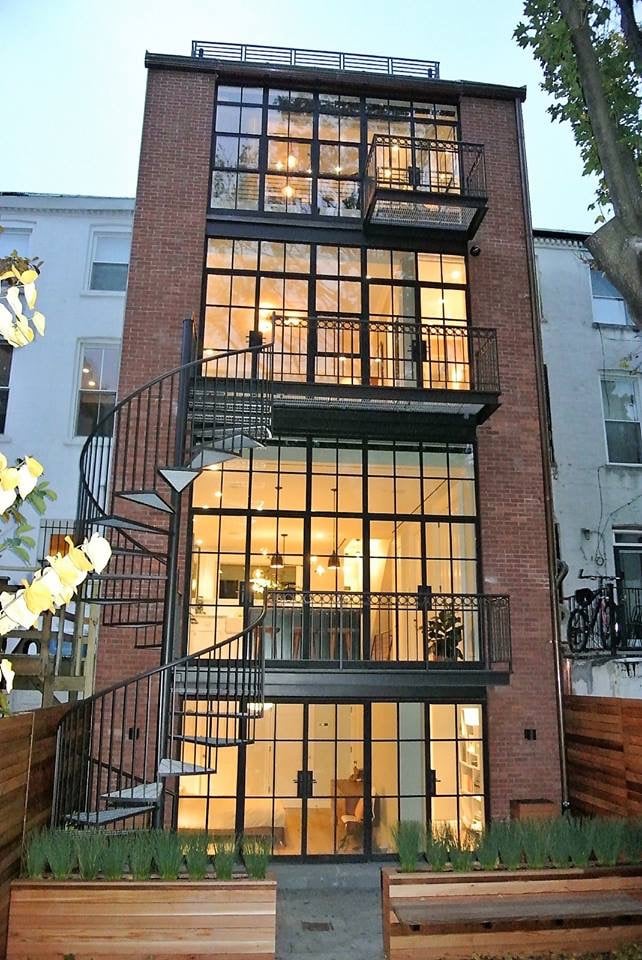
In the competitive world of commercial architecture and construction, every design decision carries significant weight. The choice of fenestration — windows and doors — is far more than an aesthetic consideration. A slim profile steel window has emerged as the preferred solution for commercial projects ranging from high-end hotels and corporate offices to retail spaces and institutional buildings. Understanding why this particular system is so widely specified by architects and developers begins with recognizing the unique demands that commercial construction places on building components.
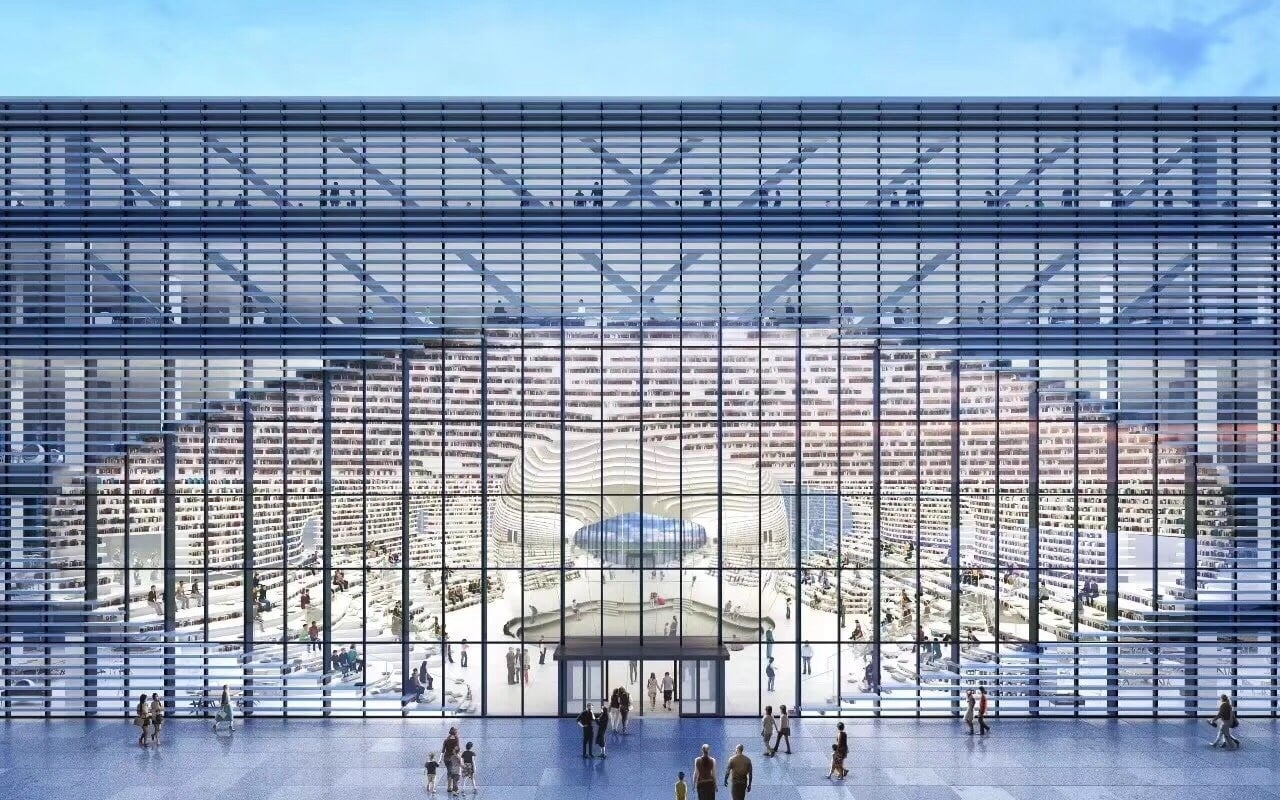
Commercial projects are defined by their scale, their longevity expectations, their occupant density, and their need to project a strong visual identity. A slim profile steel window addresses all these requirements simultaneously, delivering structural integrity, light maximization, weather performance, and refined aesthetics in a single system. This article examines in detail why commercial projects not only benefit from but genuinely require this type of window solution, and what makes it so distinctly suited to the built environment of today.
The Structural Logic Behind Slim Profile Steel Windows in Commercial Construction
Steel as the Foundation of Thin-Frame Performance
The fundamental reason a slim profile steel window can achieve what no aluminum or uPVC system can match lies in the material science of steel itself. Steel has a tensile strength far superior to aluminum, which means structural frames can be made dramatically thinner while still bearing the loads required in large commercial openings. For commercial projects where window openings routinely span several meters in height or width, this matters enormously.
When architects specify a slim profile steel window for a commercial facade, they are leveraging the inherent rigidity of the material to minimize the visual interruption of framing elements. This is not simply about appearance — it is a structural solution that allows glass to dominate the elevation without compromising the building envelope's ability to handle wind loads, thermal movement, and long-term deflection. Thin profiles are only achievable because steel can carry the stress that equivalent aluminum sections could not sustain at the same dimension.
Commercial buildings also face more rigorous engineering scrutiny than residential ones. The slim profile steel window must comply with strict building codes governing structural performance, and steel's proven record in meeting and exceeding these standards makes it the go-to specification for demanding commercial applications.
Long-Term Durability Aligned with Commercial Project Lifecycles
Commercial buildings are designed with lifespans measured in decades rather than years. A hotel, office tower, or retail complex is expected to maintain its performance and appearance for thirty, fifty, or even a hundred years with appropriate maintenance. This long-term expectation fundamentally changes the calculus around material selection for windows and doors.
A slim profile steel window, when properly finished and sealed, resists warping, bending, and the slow dimensional creep that can affect softer frame materials over time. Steel does not expand and contract as dramatically as aluminum across temperature cycles, which means joints, seals, and hardware maintain their integrity through the repeated thermal stresses of commercial building operation. This durability translates directly into lower lifecycle maintenance costs — a key performance metric in commercial property management.
For developers and facility managers responsible for large portfolios of commercial assets, specifying a slim profile steel window is a strategic decision that reduces the probability of costly mid-lifecycle replacements. The upfront investment is justified by the extended service life, making it economically rational as well as architecturally desirable.
Aesthetic Advantages That Drive Commercial Project Specifications
Maximizing Glass Area for Visual Impact
Modern commercial architecture consistently trends toward transparency, openness, and the integration of interior and exterior environments. Corporate headquarters want to signal openness and innovation. Hotels want to capture views and flood guest rooms with natural light. Retail environments need to display products and draw customers visually from the street. A slim profile steel window achieves all of these objectives by reducing the frame to its absolute minimum visible presence.
The thin sightlines of a slim profile steel window create an almost frameless visual effect that maximizes the glazed area within any given opening. This is not a trivial difference compared to heavier aluminum curtain wall systems — the visual ratio of glass to frame fundamentally changes the perception of a facade. In commercial photography, in client presentations, and in the lived experience of building occupants, this difference is immediately apparent and consistently valued.
For architects working on premium commercial projects, the slim profile steel window is a design tool as much as a construction product. It allows the realization of visions that would be compromised or impossible with bulkier framing systems, making it an integral part of high-specification commercial design vocabulary.
Compatibility with Heritage and Contemporary Commercial Contexts
Commercial projects do not exist in isolation — they occupy urban contexts that carry historical and cultural weight. In many cities, new commercial developments are required to respect existing streetscapes, maintain visual consistency with heritage buildings, or achieve planning approvals that demand specific aesthetic outcomes. The slim profile steel window has a lineage that connects directly to the early steel-framed commercial buildings of the twentieth century, giving it an authenticity that resonates in heritage-sensitive environments.
At the same time, the slim profile steel window has evolved considerably and now performs equally well in sleek contemporary commercial contexts. The clean geometry, the precision of the profiles, and the wide range of available finishes make this window system as at home in a converted industrial loft used as creative office space as in a newly built glass-and-steel commercial tower. This contextual flexibility is a significant reason why commercial project architects consistently return to this specification.
Planning authorities and conservation bodies frequently look favorably on the use of slim profile steel window systems in sensitive locations, recognizing their material appropriateness and their visual compatibility with historic commercial architecture. This regulatory advantage can simplify the approval process for commercial developers in constrained urban environments
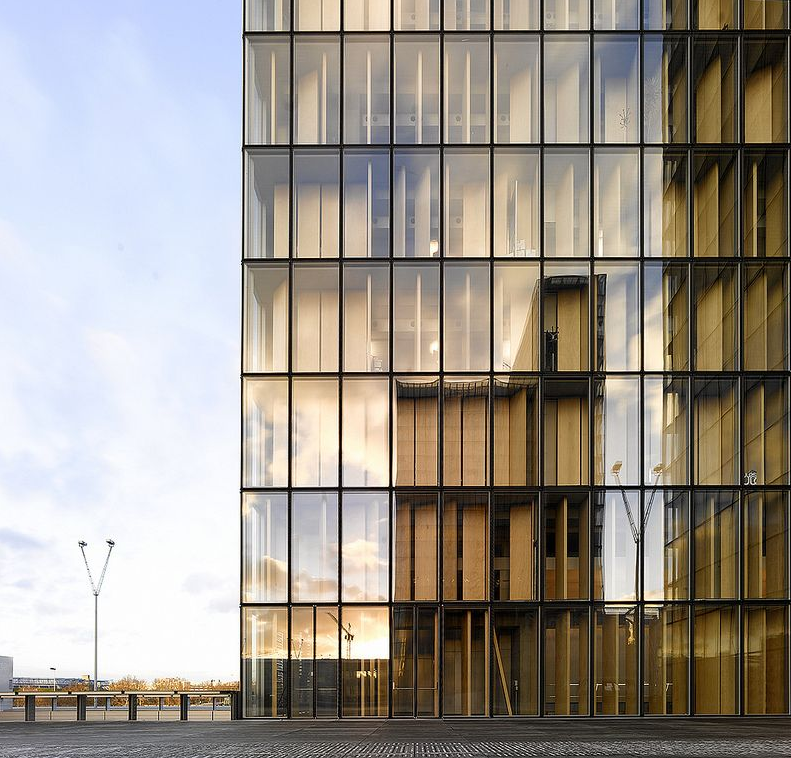
Thermal and Weather Performance Requirements in Commercial Buildings
Meeting the Energy Efficiency Demands of Large-Scale Commercial Use
Commercial buildings consume significantly more energy per square meter than residential buildings, and the building envelope — particularly glazing — plays a major role in that energy consumption. Modern commercial projects are required to meet increasingly stringent energy performance standards, and the specification of a slim profile steel window must include robust thermal performance to satisfy these requirements.
Contemporary slim profile steel window systems incorporate thermal break technology, which interrupts the conductive steel section to prevent heat loss across the frame. Combined with high-performance double or triple glazing, these systems can achieve U-values that meet or exceed the requirements of major energy codes applicable to commercial construction. For large commercial facades with hundreds of square meters of glazing, this thermal performance directly translates into measurable reductions in heating and cooling energy demand.
Building operators and developers pursuing green certification programs — such as LEED, BREEAM, or EDGE — find that a properly specified slim profile steel window contributes meaningfully to the credits required for glazing performance and overall building energy efficiency. This makes the specification not just an architectural preference but a strategic component of sustainability programs that are increasingly required in commercial real estate.
All-Weather Resilience for Demanding Commercial Environments
Commercial buildings face exposure conditions that go beyond what residential windows typically encounter. High-rise locations subject window systems to wind pressures and driving rain at intensities rarely seen at ground level. Coastal commercial developments contend with salt-laden air. Urban commercial buildings experience high levels of pollution and grime that can degrade inferior surface treatments over time.
A slim profile steel window system engineered for commercial applications is tested and rated for air infiltration, water penetration, and structural wind resistance at levels appropriate to these challenging conditions. The surface treatments available — including powder coating and specialized corrosion-resistant finishes — ensure that the window system maintains its appearance and performance integrity across years of exposure to commercial-grade environmental stress.
For project managers and procurement teams sourcing windows for large commercial schemes, the all-weather performance credentials of a slim profile steel window system are not optional features — they are baseline requirements that must be verified through testing data and certification before specification is confirmed. The reliability of steel framing under dynamic load conditions is a major part of why commercial projects repeatedly return to this material choice.
Operational and Security Benefits for Commercial Occupants
Hardware Integration and Operational Consistency at Scale
A commercial building might contain hundreds or even thousands of individual window units. The operational consistency of those units — how they open, how they lock, how they are maintained — has a direct impact on the experience of occupants and the workload of facilities management teams. A slim profile steel window system designed for commercial use integrates high-quality hardware that is engineered to perform reliably across the entire building life.
Multipoint locking mechanisms, controlled ventilation positions, and durable hinges and handles are standard components of commercial-grade slim profile steel window specifications. These hardware elements are selected and integrated to work with the specific geometry and weight characteristics of steel frames, ensuring that the operational feel remains consistent from day one through years of daily use by rotating populations of building occupants.
For hotel projects in particular, where guest experience is paramount and maintenance disruption must be minimized, the operational reliability of a slim profile steel window is a core specification criterion. Hotel procurement teams understand that window malfunction is a highly visible guest complaint, and they specify systems accordingly.
Security Performance in High-Occupancy Commercial Settings
Commercial buildings host valuable assets, sensitive data, and large numbers of people. The security performance of the building envelope — including windows — is a serious design consideration that goes well beyond residential security requirements. A slim profile steel window inherently benefits from the superior strength of the frame material, which resists physical attack and forced entry at a level that lighter materials cannot match.
Advanced slim profile steel window systems can be specified with laminated security glazing, enhanced locking hardware, and reinforced frame connections that meet formal security classification standards. For commercial projects with elevated security requirements — such as financial institutions, government buildings, and data centers — these capabilities make the slim profile steel window the only technically appropriate solution.
Even for standard commercial office buildings and retail environments where security demands are less extreme, the baseline robustness of a steel frame window provides a meaningful level of protection that contributes to building insurance assessments and occupier confidence. The security advantage of steel is a practical commercial benefit, not merely a technical specification footnote.
FAQ
Why is a slim profile steel window preferred over aluminum in commercial projects?
Steel has a significantly higher tensile strength than aluminum, which allows frame profiles to be made much thinner while still meeting the structural requirements of large commercial window openings. This results in greater glass area, better visual aesthetics, and longer service life. A slim profile steel window also resists deformation and dimensional creep better than aluminum over the long commercial building lifecycle, reducing maintenance and replacement costs over time.
Can a slim profile steel window meet modern energy efficiency requirements for commercial buildings?
Yes. Modern slim profile steel window systems are engineered with thermal break technology and are compatible with high-performance double or triple glazing units. When correctly specified, these systems can achieve U-values that satisfy the energy performance requirements of major commercial building codes and green certification programs such as LEED and BREEAM. The thermal performance of a slim profile steel window depends on the specific thermal break design and glazing specification chosen for each project.
What types of commercial projects benefit most from slim profile steel windows?
A wide range of commercial project types benefit from slim profile steel window specification. Hotels value the aesthetic quality and operational reliability. Office buildings benefit from the maximized natural light and long service life. Retail environments use the thin sightlines to maximize visual display. Heritage-sensitive commercial redevelopments gain from the material's historical authenticity and planning compatibility. High-security commercial facilities benefit from the inherent strength of the steel frame. In essence, any commercial project where durability, aesthetics, performance, and long-term value matter will find strong justification for this specification.
How does a slim profile steel window perform in high-rise or coastal commercial environments?
Slim profile steel window systems designed for commercial applications are tested and rated for the elevated wind pressures, driving rain, and environmental exposure conditions found in high-rise and coastal locations. Appropriate surface treatments, including high-quality powder coatings and corrosion-resistant finishes, protect the steel frame from salt air and urban pollution. Hardware and seals are selected to maintain performance under the dynamic load cycles and environmental stresses typical of these demanding commercial settings. Certification data should always be verified by procurement teams against the specific conditions of each project site.
Table of Contents
- The Structural Logic Behind Slim Profile Steel Windows in Commercial Construction
- Aesthetic Advantages That Drive Commercial Project Specifications
- Thermal and Weather Performance Requirements in Commercial Buildings
- Operational and Security Benefits for Commercial Occupants
-
FAQ
- Why is a slim profile steel window preferred over aluminum in commercial projects?
- Can a slim profile steel window meet modern energy efficiency requirements for commercial buildings?
- What types of commercial projects benefit most from slim profile steel windows?
- How does a slim profile steel window perform in high-rise or coastal commercial environments?