 EN
EN
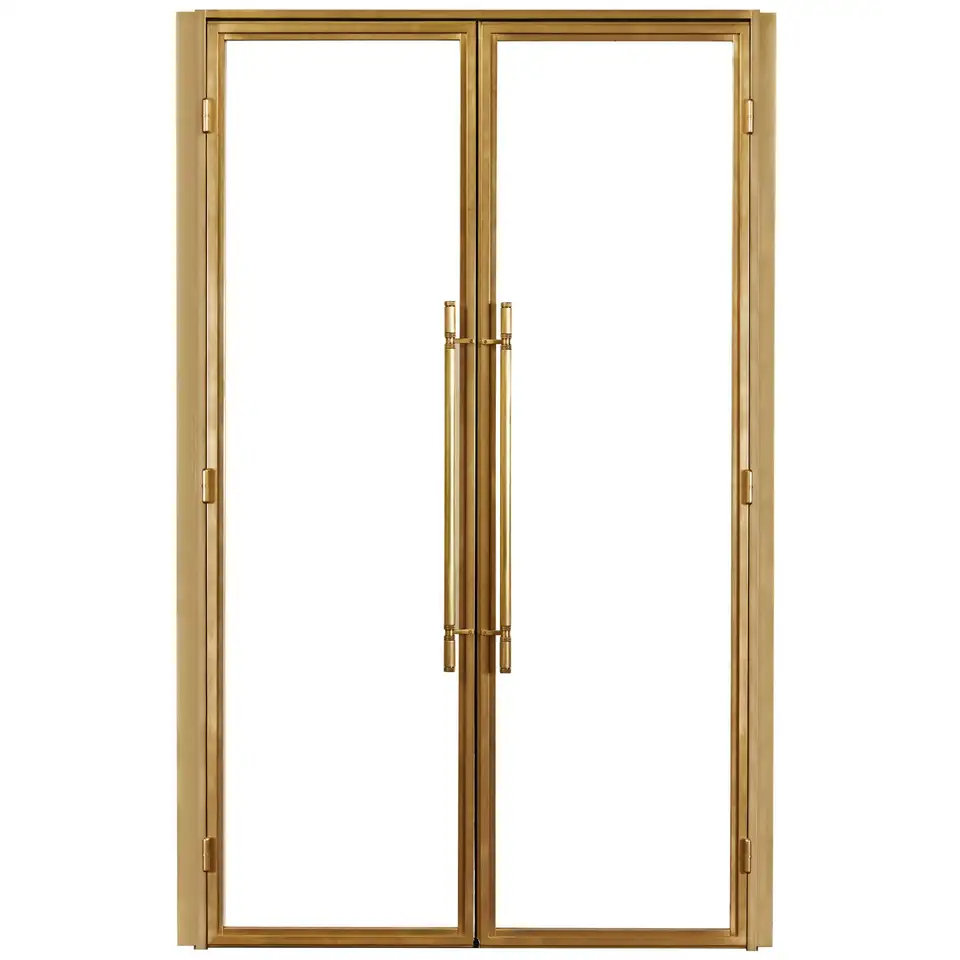
When architects and interior designers reach for materials that communicate permanence, prestige, and artistry, brass copper bronze consistently rises to the top of the specification list. These three metals share a family lineage — all copper-based alloys or elemental copper itself — yet each carries a distinct visual identity, structural personality, and long-term patina behavior that makes thoughtful specification not just worthwhile but essential. In high-end residential, hospitality, and commercial architecture, the choice between these metals is never arbitrary. It reflects a deliberate design vision, a calculated maintenance philosophy, and an understanding of how materials perform over decades of real-world exposure.
Specifying brass copper bronze in high-end architecture requires a fluency in material science, fabrication constraints, and aesthetic lifecycle management that goes well beyond selecting a finish color from a swatch book. Whether the application is an entry door, a lobby wall cladding, a custom fixture, or a feature staircase rail, each of these metals imposes specific requirements on the design team, the contractor, and the client. This article examines what distinguishes these three materials from one another, how each performs in architectural applications, and what specifiers must consider to deliver installations that remain beautiful and structurally sound for generations.
Understanding the Material Distinctions Between Brass, Copper, and Bronze
Elemental Copper as an Architectural Base
Pure or near-pure copper is the parent material from which both brass and bronze are derived. In architectural use, copper is prized for its ability to develop a rich, layered patina that transitions from bright salmon-orange through warm browns and eventually to the iconic blue-green verdigris associated with landmark buildings worldwide. This living surface transformation is not a sign of degradation — it is, in fact, a protective oxidation layer that slows further corrosion and becomes part of the building's visual narrative over time.
From a fabrication standpoint, copper is highly malleable, making it well suited for formed roof panels, intricate cladding details, decorative downspouts, gutters, and curved surface applications. It bonds well with solder and can be mechanically fastened or welded with proper technique. When specifying brass copper bronze for expressive curved forms or standing-seam roofing, copper often emerges as the most practical choice due to its formability and proven weathering track record.
Copper's thermal expansion coefficient is also a critical specification concern. Large copper installations require carefully engineered expansion joints to accommodate movement, particularly in climate zones with significant temperature variation. Failing to account for thermal movement results in buckled panels, cracked joints, and structural fatigue — problems that are costly to remedy and damaging to the project's reputation.
Brass: The Alloy of Warmth and Precision
Brass is a copper-zinc alloy, and its exact composition governs its color, hardness, machinability, and corrosion resistance. In architectural millwork, door hardware, elevator cab interiors, and feature facades, brass delivers a warmth and visual richness that is difficult to replicate with synthetic materials. Its golden hue — ranging from pale yellow to deep antique gold depending on zinc content and finishing — reads as luxury across virtually every design aesthetic, from classical to contemporary.
One of the critical advantages of specifying brass in high-end interiors is its compatibility with precision machining. Brass can be cast, extruded, machined to tight tolerances, and finished to mirror polish, brushed satin, or antiqued textures with equal reliability. This makes it an ideal choice for bespoke hardware, custom door pulls, lighting fixtures, and decorative grilles where dimensional accuracy and surface consistency are non-negotiable. When reviewing brass copper bronze door systems for high-end entry applications, brass is frequently the specification of choice for its ability to hold sharp profiles and complex geometries without compromising structural integrity.
Brass does require maintenance planning. Left uncoated in exterior environments, brass will patinate — initially darkening through a brown stage before stabilizing. Some architects embrace this progression; others specify protective lacquer or living finish coatings to control the surface appearance over time. The maintenance protocol must be clearly communicated to the building owner at handover, as improper cleaning products can strip protective coatings and initiate uneven patination that is difficult to reverse.
Bronze: The Alloy of Gravitas and Durability
Bronze, traditionally a copper-tin alloy, is denser, harder, and generally more corrosion-resistant than brass in exterior environments. Its color tends toward deeper, richer tones — darker browns and olive-hued metals that convey institutional weight and permanence. For this reason, bronze has long been the material of choice for monumental architecture: bank entrance doors, courthouse facades, memorial structures, and cultural institutions where the material itself must communicate authority and longevity.
In contemporary high-end architecture, bronze is increasingly specified for exterior cladding panels, curtain wall accents, and statement entry systems. Its superior resistance to galvanic corrosion and its slower, more controlled patina development compared to copper make it a lower-maintenance option for exterior applications where access for regular cleaning is limited. Specifiers working with brass copper bronze systems for landmark facades often favor bronze precisely because its long-term appearance trajectory is more predictable and its surface integrity holds up under sustained UV exposure and environmental pollutants.
Bronze's hardness also makes it more resistant to surface scratching and mechanical damage in high-traffic areas. For floor-level cladding, door kick plates, and handrail systems in busy public spaces, this durability advantage is a substantive specification argument. When comparing brass copper bronze in high-traffic applications, bronze's wear resistance often justifies its higher material cost relative to brass or raw copper.
Application Scenarios and Specification Logic in High-End Architecture
Entry Doors and Facade Elements
The entry door is perhaps the most consequential single specification decision in a high-end architectural project. It is the first material the visitor physically touches, and its quality communicates the entire building's design philosophy within seconds. Custom brass copper bronze door systems offer a combination of visual presence and tactile quality that no other material class replicates. The weight, the sound of the latch mechanism, the reflection of light across a brushed bronze frame — these are experiential details that define luxury.
When specifying monumental entry doors for hospitality or commercial projects, bronze construction is frequently preferred for the structural frame and primary surface panels due to its dimensional stability and resistance to warping under thermal cycling. Brass components are commonly specified for the hardware, threshold strips, and decorative inlay elements where fine machining is required. This hybrid approach within the brass copper bronze material family is a sophisticated specification strategy that plays to each alloy's individual strengths.
Coordination with the glazing system is another critical consideration. When a brass copper bronze door system incorporates glass panels — whether clear, frosted, or smart glass technology — the metal framing must be engineered to accommodate the glass bite depth, the thermal expansion differential between the metal and glass, and the structural loading requirements of the door's operational cycle. Inadequate attention to these interface details results in glass breakage, seal failure, and accelerated frame corrosion at the glass-to-metal junction.
Interior Cladding, Millwork, and Decorative Features
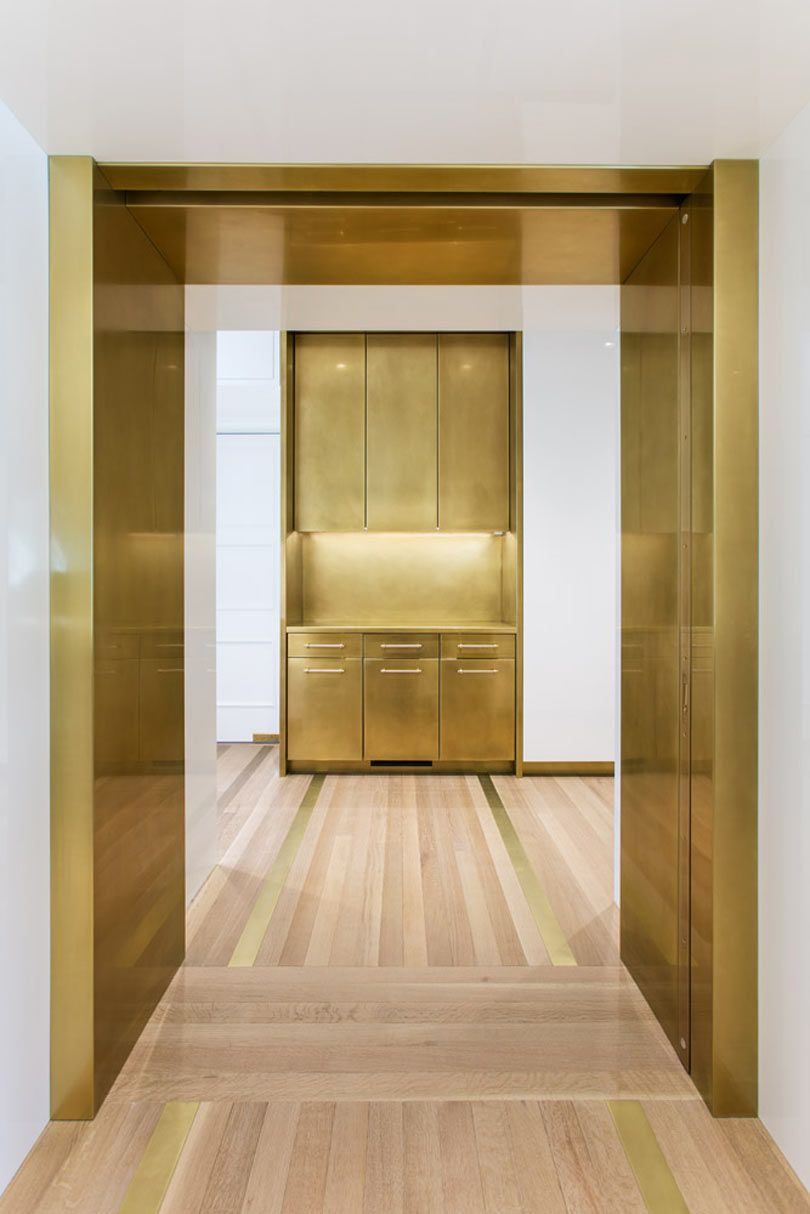
In luxury hotel lobbies, private residences, and premium retail environments, brass copper bronze cladding panels and millwork elements create immersive material environments that photographs can suggest but only direct experience can fully convey. Reeded or fluted brass wall panels introduce rhythm and shadow play to otherwise flat surfaces. Copper-clad ceiling coffers develop warmth as light shifts throughout the day. Bronze column enclosures anchor a space with an almost sculptural solidity.
The specification challenge in interior brass copper bronze applications is substrate engineering. These metals, particularly for large cladding panels, are typically applied as thin sheets or veneers over structural substrates. The substrate must be dimensionally stable, moisture-resistant, and compatible with the adhesive or mechanical fixing system used. Any substrate movement will telegraph through the metal face, causing oil-canning — a visually unsightly waviness in the panel surface that is nearly impossible to correct post-installation.
Protective coatings in interior brass copper bronze installations also deserve careful specification. A clear lacquer provides good initial protection and maintains the bright factory finish, but it will eventually degrade and require re-application. Living finish specifications allow the metal to age naturally, but require client acceptance of surface variation and periodic professional polishing in high-contact areas. There is no universally correct approach — the right finish specification depends entirely on the client's maintenance expectations and the design intent's tolerance for material evolution.
Smart Integration and Modern Technology Interfaces
Contemporary high-end architecture increasingly demands that traditional material nobility coexist with modern building technology. Smart glass, integrated access control systems, and sensor-embedded facades all create specification interfaces between brass copper bronze components and electronic or electromechanical systems. This intersection requires early-stage coordination between the architect, the metal fabricator, and the building technology consultant to ensure that the metal framing accommodates wiring chases, sensor mounting points, and power supply routes without compromising the visual integrity of the metal surface.
In smart door applications where brass copper bronze frames house switchable glass panels, electromagnetic locking systems, or integrated intercom technology, the detailing complexity increases substantially. The metal frame must provide EMF shielding considerations for sensitive electronics, maintain thermal continuity to prevent condensation at the glass-to-metal interface, and allow serviceability access for technology components with a service life considerably shorter than the metal enclosure itself. Thoughtful specification addresses all three requirements simultaneously, producing installations that are both architecturally magnificent and functionally reliable over the building's operational life.
Surface Finishing and Long-Term Patina Management
Factory Finishing Options and Their Implications
The surface finish applied at the fabrication stage fundamentally determines how a brass copper bronze installation reads visually and how it will age. Polished finishes maximize reflectivity and create a glamorous, high-contrast appearance, but they are the most demanding to maintain — fingerprints, water spots, and fine scratches are visually prominent on mirror-polished surfaces. Brushed or satin finishes reduce visible contamination and minor scratching, making them a more practical choice for high-contact applications like door pulls, push plates, and handrails.
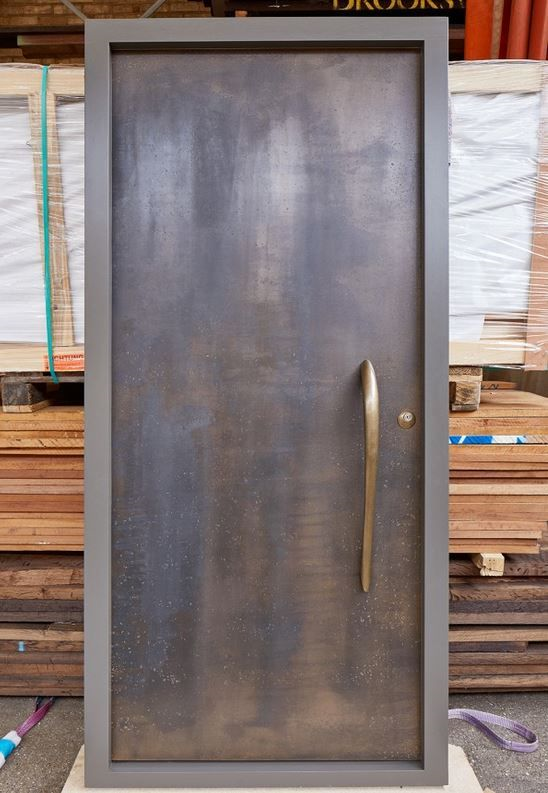
Chemical patination at the factory offers specifiers the ability to accelerate the natural aging process and deliver a specific aged appearance on day one. Antiqued finishes, oil-rubbed finishes, and custom chemical patinas can produce deep, complex surface appearances that would otherwise take years to develop naturally. This approach is particularly valuable for renovation projects where new brass copper bronze elements must visually harmonize with existing aged metal features in the same space.
Field Maintenance Protocols and Owner Education
Even the most expertly specified and fabricated brass copper bronze installation will underperform if the building owner does not maintain it correctly. Specifiers have a professional responsibility to provide clear, written maintenance guidance as part of the project closeout documentation. This guidance should identify approved cleaning products, prohibited substances — particularly acidic or abrasive cleaners that damage coatings and accelerate uneven patination — and recommended inspection and re-coating schedules.
For exterior brass copper bronze applications, annual professional inspection is a reasonable baseline recommendation. Inspections should assess coating integrity, check for galvanic corrosion at metal-to-metal or metal-to-substrate interfaces, verify that drainage paths are clear to prevent standing water accumulation, and confirm that all mechanical fixings remain properly torqued. Catching early-stage issues during a routine inspection is dramatically less expensive than remedial restoration work after significant surface degradation has occurred.
Common Specification Pitfalls and How to Avoid Them
Galvanic Incompatibility with Adjacent Materials
One of the most persistent — and preventable — specification errors when working with brass copper bronze is placing copper-family metals in direct contact with incompatible metals, most notably aluminum and steel. When dissimilar metals are in contact in the presence of moisture, galvanic corrosion occurs, with the less noble metal deteriorating at an accelerated rate. In architectural assemblies, this typically manifests as white powdery corrosion on aluminum frames adjacent to copper fasteners, or rust staining from steel anchors bleeding through a bronze panel face.
The solution is straightforward but must be embedded in the specification from the outset: isolate all brass copper bronze components from incompatible metals using non-conductive gaskets, isolating sleeves, or appropriate barrier coatings. This requirement must be clearly communicated in the project specification, the shop drawing review process, and the contractor's installation instructions to ensure it is not value-engineered away during procurement.
Thermal Movement and Structural Attachment
Copper-family metals expand and contract significantly with temperature changes. For large-format brass copper bronze facade panels or roof cladding, failing to design adequate expansion accommodation results in buckling, fastener pull-through, or joint cracking within a relatively short service period. The specification must define panel size limits, minimum joint widths between panels, and fastening systems that allow for controlled movement without restricting the natural thermal cycling of the metal.
Engaging a facade engineer during the design development phase — not as an afterthought during construction documentation — is the most effective way to ensure that brass copper bronze assemblies are properly engineered for thermal movement. The facade engineer can calculate movement ranges based on climate data, define appropriate joint sealant types and widths, and specify attachment systems that balance structural restraint with movement freedom. This investment in early-stage engineering pays dividends in installation quality and long-term performance.
FAQ
What is the primary visual difference between brass, copper, and bronze in architectural applications?
Copper presents a warm reddish-orange tone that transitions to brown and eventually verdigris over time. Brass offers a golden-yellow warmth ranging from pale to deep antique gold depending on alloy composition. Bronze typically presents deeper, darker brown-olive tones with a heavier, more institutional visual weight. When specifying brass copper bronze for a specific aesthetic goal, understanding these distinct color families and their patina trajectories is essential to making the right material choice.
How do I decide between a living finish and a protective lacquer coating for brass copper bronze installations?
A living finish is appropriate when the design intent embraces natural aging as part of the building's narrative and the client is willing to accept surface variation over time. A protective lacquer is better suited when the client expects a consistent, controlled appearance and commits to periodic professional re-coating. For high-contact interior applications, many specifiers choose a living finish with maintenance-friendly brushed texture rather than a mirror-polished lacquered surface, which shows wear more visibly.
Can brass copper bronze door systems accommodate smart glass technology?
Yes, brass copper bronze door frames can be engineered to accommodate smart glass panels, including switchable privacy glass and electronically controlled tinted glazing. The key requirements are early coordination between the metal fabricator and the glass technology supplier, adequate frame depth to accommodate glazing system components, and designed-in conduit pathways for low-voltage wiring. Structural integrity of the metal frame must account for the additional weight and the specific bite depth requirements of the smart glass unit.
What causes oil-canning in brass copper bronze cladding panels and how can it be prevented?
Oil-canning is a visible waviness or distortion in the flat field of a metal panel, caused by residual stresses from the fabrication process, substrate movement, or improper installation technique. To prevent oil-canning in brass copper bronze cladding, specifiers should mandate minimum metal gauge thicknesses appropriate for panel size, require dimensionally stable and moisture-resistant substrates, specify substrate-to-metal adhesive systems that allow controlled differential movement, and ensure that installation contractors have direct experience with architectural metal cladding systems rather than general sheet metal work.
Table of Contents
- Understanding the Material Distinctions Between Brass, Copper, and Bronze
- Application Scenarios and Specification Logic in High-End Architecture
- Surface Finishing and Long-Term Patina Management
- Common Specification Pitfalls and How to Avoid Them
-
FAQ
- What is the primary visual difference between brass, copper, and bronze in architectural applications?
- How do I decide between a living finish and a protective lacquer coating for brass copper bronze installations?
- Can brass copper bronze door systems accommodate smart glass technology?
- What causes oil-canning in brass copper bronze cladding panels and how can it be prevented?