 EN
EN

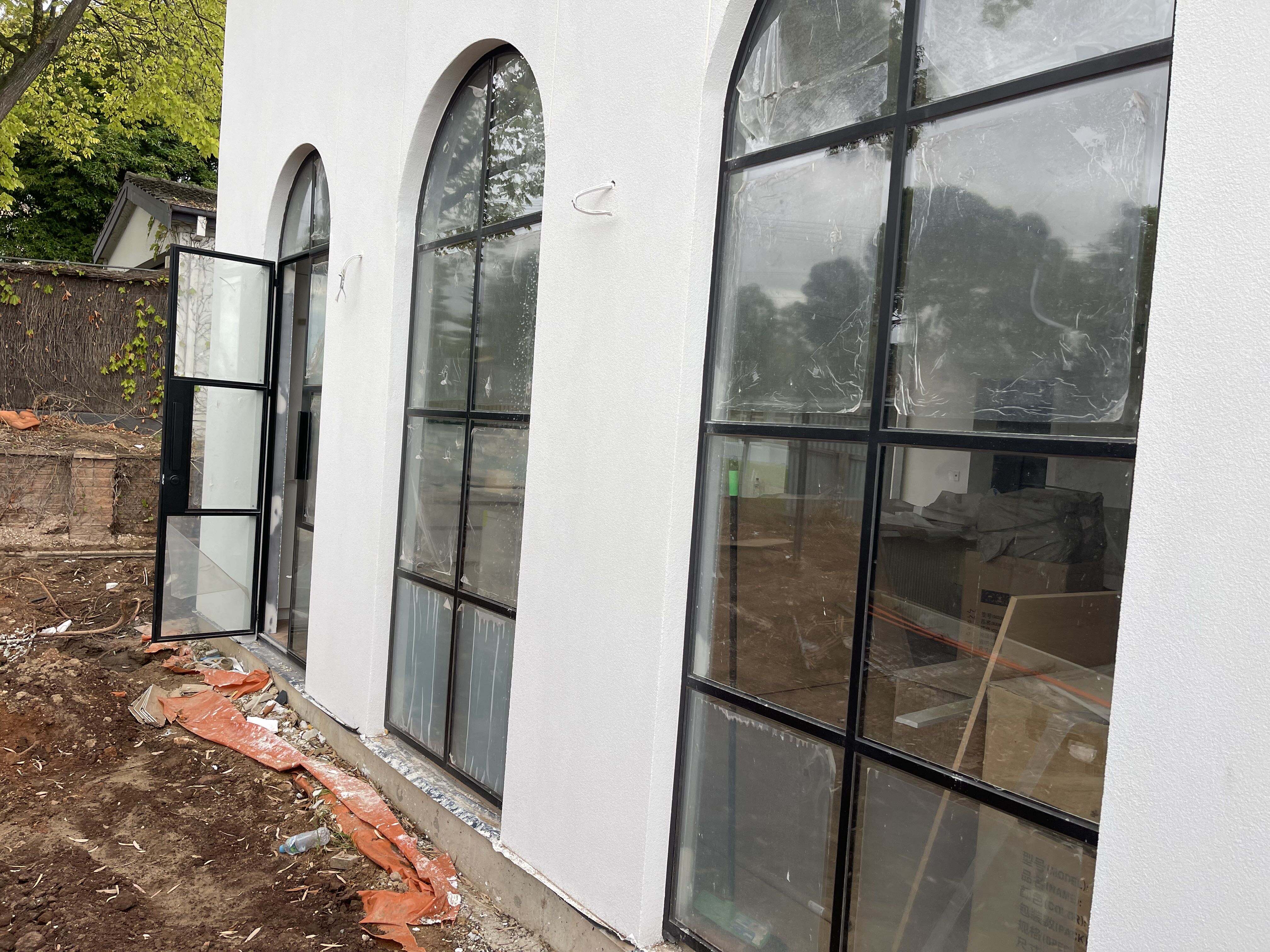
European architecture has long captivated homeowners and commercial developers with its sophisticated design elements and enduring aesthetic appeal. Among the most striking features that define this timeless style are steel arch doors, which serve as both functional entryways and artistic statements. These remarkable architectural elements combine the strength and durability of modern steel construction with the classical elegance that has graced European buildings for centuries. When incorporated into contemporary facades, steel arch doors create an immediate visual impact that transforms ordinary entrances into grand focal points that speak to refined taste and attention to detail.
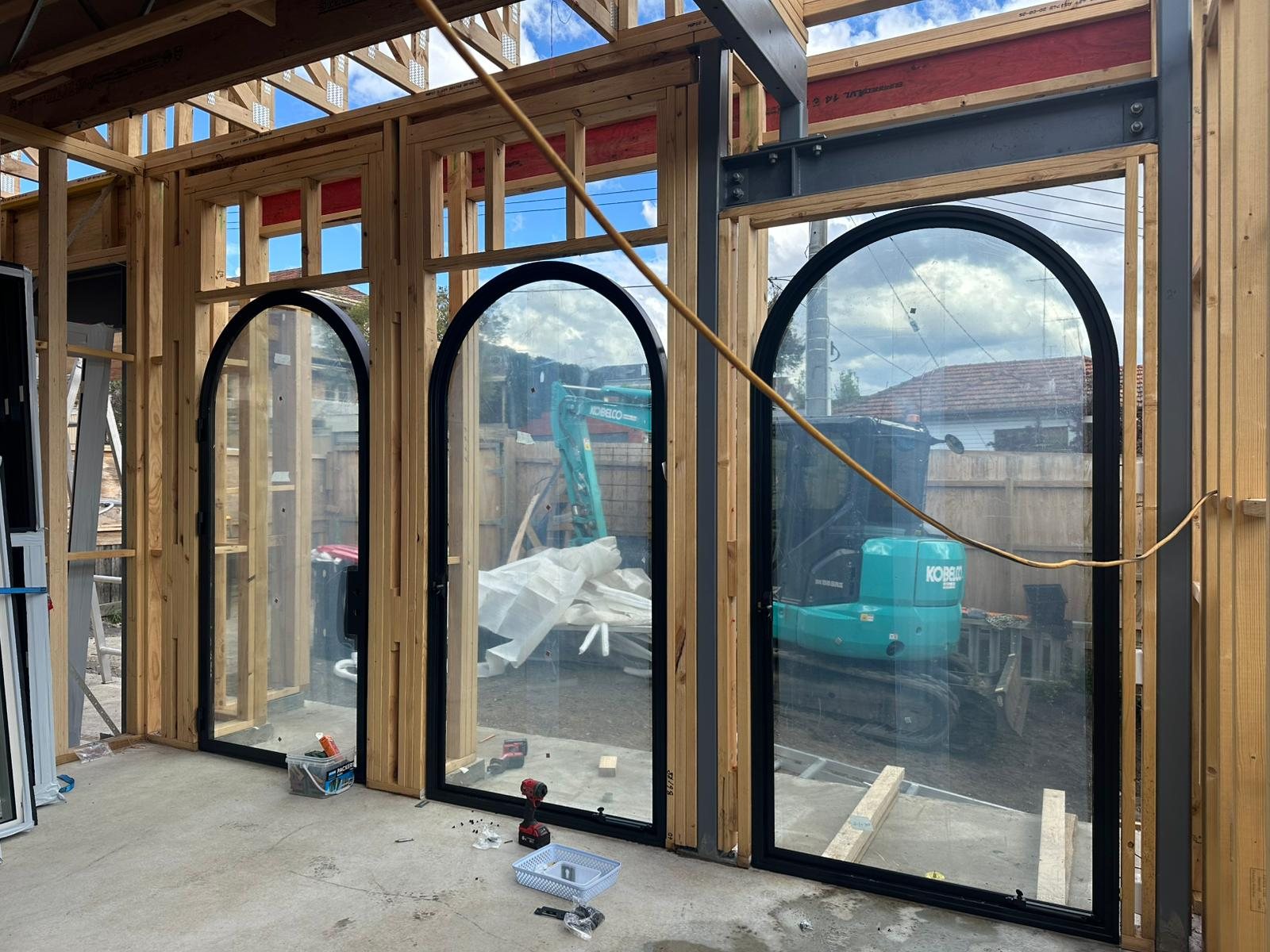
The Historical Significance of Arched Door Design
Origins in Classical Architecture
The arched doorway represents one of humanity's most enduring architectural achievements, with roots tracing back to ancient Roman and Byzantine civilizations. Steel arch doors draw inspiration from these classical forms while incorporating modern materials and manufacturing techniques. The semicircular or pointed arch design distributes structural weight more efficiently than rectangular openings, allowing for larger spans and more dramatic proportions. This engineering principle, perfected over millennia, continues to influence contemporary door design and explains why steel arch doors maintain their structural integrity even in challenging weather conditions.
European craftsmen refined arched door construction throughout the medieval and Renaissance periods, developing sophisticated metalworking techniques that modern steel arch doors now embody. The transition from stone and wood to steel represents an evolution in materials while preserving the essential aesthetic principles that make these entrances so compelling. Today's steel arch doors benefit from advanced metallurgy and precision manufacturing, ensuring consistent quality and performance that surpasses historical examples while maintaining their visual authenticity.
Evolution Through Architectural Periods
Different European architectural movements have contributed unique elements to steel arch doors design vocabulary. Gothic influences introduce pointed arches and intricate metalwork patterns, while Renaissance traditions emphasize symmetry and classical proportions. Baroque and Victorian periods added ornamental flourishes and decorative hardware that continue to inspire contemporary steel arch doors. This rich historical foundation provides designers with an extensive palette of stylistic elements to draw from when creating modern interpretations.
The Industrial Revolution marked a pivotal moment in door manufacturing, introducing mass production techniques and standardized components that made quality steel arch doors more accessible. European ironworkers developed sophisticated forging and welding methods that enabled the creation of complex curved forms and detailed ornamentation. These technological advances laid the groundwork for today's precision-engineered steel arch doors, which combine traditional craftsmanship aesthetics with modern performance standards.
Material Advantages of Steel Construction
Structural Integrity and Longevity
Steel arch doors offer exceptional structural performance that surpasses alternative materials in both strength and durability. The inherent properties of steel provide superior resistance to warping, cracking, and dimensional instability that commonly affects wooden doors over time. This stability ensures that steel arch doors maintain their precise fit and smooth operation throughout decades of use, even in challenging environmental conditions. The material's high strength-to-weight ratio allows for larger door panels and more elaborate designs without compromising structural integrity or operational reliability.
Advanced steel alloys and protective coatings significantly extend the service life of steel arch doors beyond that of traditional materials. Modern galvanization processes and specialized paint systems provide comprehensive protection against corrosion, moisture damage, and ultraviolet degradation. These protective measures ensure that steel arch doors retain their appearance and functionality for generations, making them an excellent long-term investment for both residential and commercial applications. The material's recyclability also supports sustainable building practices while maintaining superior performance characteristics.
Weather Resistance and Security Features
Steel arch doors excel in harsh weather conditions where other materials might fail or deteriorate rapidly. The non-porous nature of steel prevents moisture absorption that leads to rot, swelling, and warping in organic materials. Properly finished steel surfaces resist temperature fluctuations, humidity changes, and exposure to salt air or industrial pollutants. This resilience makes steel arch doors particularly suitable for coastal installations, urban environments, and regions with extreme seasonal variations.
Security considerations make steel arch doors an attractive choice for both residential and commercial applications. The material's inherent strength provides excellent resistance to forced entry attempts, while modern locking mechanisms integrate seamlessly with steel door frames. Multi-point locking systems and reinforced strike plates take advantage of steel's structural properties to create highly secure closure systems. The visual presence of steel arch doors also serves as a deterrent to potential intruders while maintaining the welcoming appearance expected in quality architectural design.
Design Elements That Define European Elegance
Proportional Harmony and Visual Balance
European design principles emphasize mathematical relationships and proportional systems that create inherently pleasing visual compositions. Steel arch doors incorporate these classical proportions through carefully calculated arch radii, panel dimensions, and hardware placement. The golden ratio and other geometric relationships influence the overall door design, creating a sense of harmony that resonates with viewers on a subconscious level. This attention to proportional relationships distinguishes quality steel arch doors from generic alternatives and contributes to their timeless appeal.
Visual weight distribution plays a crucial role in successful steel arch doors design, with elements arranged to create balanced compositions that complement surrounding architectural features. Lower panels typically receive more substantial treatment through raised moldings or decorative metalwork, while upper sections maintain lighter visual weight to emphasize the arch's graceful curve. This hierarchical organization reflects centuries of European design tradition while adapting to contemporary manufacturing capabilities and aesthetic preferences.
Ornamental Details and Surface Treatments
The surface treatment of steel arch doors provides opportunities to incorporate sophisticated decorative elements that enhance their European character. Traditional techniques such as embossing, etching, and applied metalwork create texture and visual interest while maintaining the doors' structural integrity. Modern manufacturing methods enable precise reproduction of historical patterns and motifs, allowing steel arch doors to authentically capture the essence of specific European architectural styles while meeting current performance standards.
Hardware selection significantly impacts the overall aesthetic success of steel arch doors installations. European-inspired hardware designs feature refined proportions, quality materials, and sophisticated finishes that complement the doors' architectural character. Strap hinges, decorative escutcheons, and period-appropriate handles contribute to the authentic appearance while providing reliable functionality. The integration of modern security features within traditional hardware designs demonstrates how steel arch doors successfully bridge historical aesthetics with contemporary requirements.
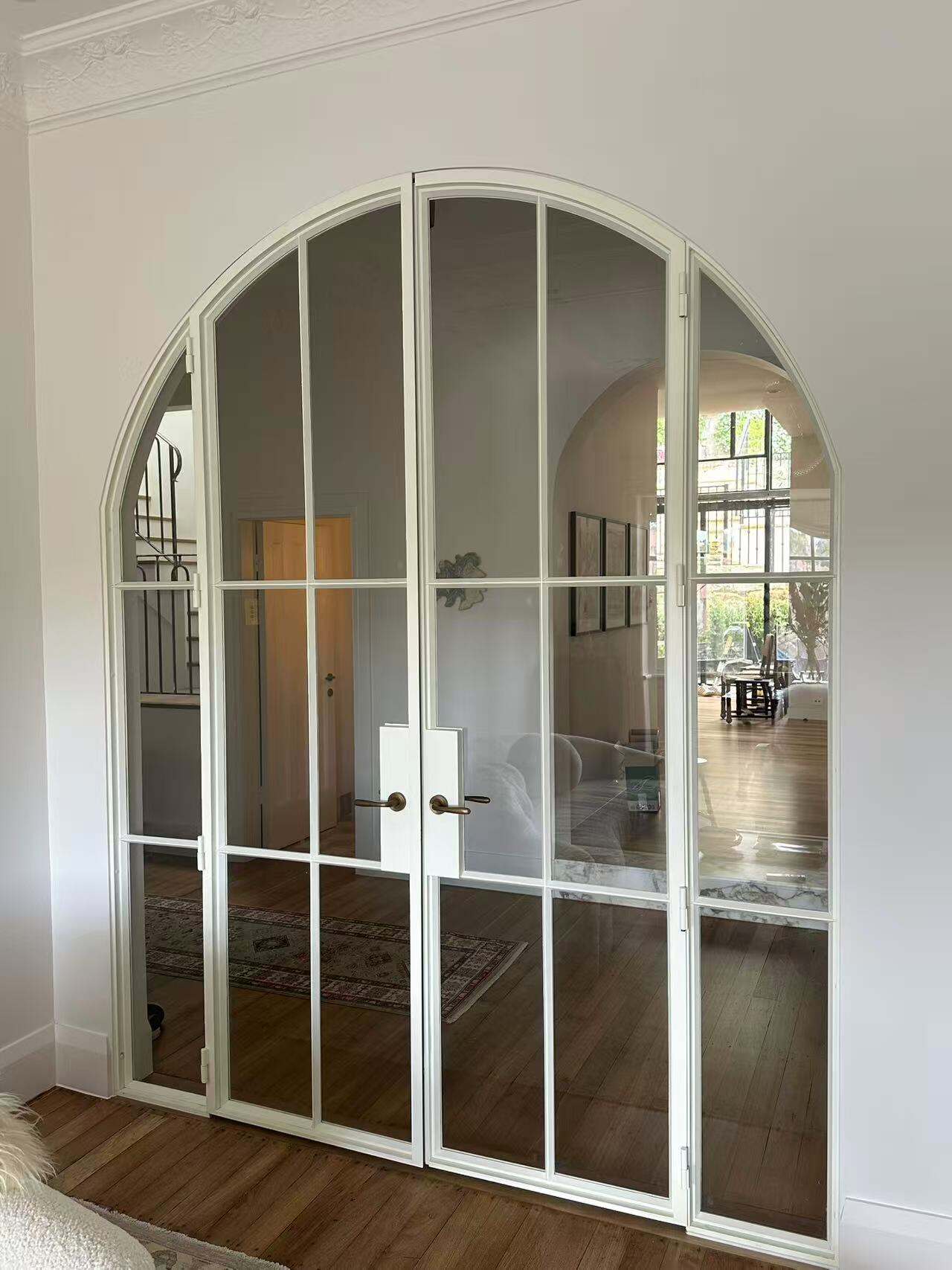
Installation Considerations for Maximum Impact
Site Preparation and Structural Requirements
Proper installation of steel arch doors requires careful attention to site preparation and structural considerations that ensure optimal performance and longevity. The door opening must be precisely dimensioned and square to accommodate the rigid steel frame without binding or operational issues. Structural support around the opening needs adequate strength to handle the door's weight and operational forces, particularly for larger or more elaborate steel arch doors designs. Professional measurement and site assessment prevent costly modifications during installation and ensure proper fit and function.
Foundation and threshold details require special consideration for steel arch doors installations, particularly regarding water management and thermal expansion. Proper drainage systems prevent moisture accumulation around the door frame, while expansion joints accommodate thermal movement without compromising the seal or structural integrity. Weather stripping and gasket systems must be compatible with steel construction and provide reliable performance across the expected temperature range for the installation location.
Integration with Existing Architecture
Successful integration of steel arch doors with existing architectural elements requires careful consideration of scale, proportion, and stylistic compatibility. The doors should complement rather than compete with surrounding features while establishing themselves as focal points within the overall composition. Color coordination, material relationships, and detail alignment contribute to a cohesive appearance that enhances the building's architectural character rather than appearing as an afterthought or retrofit.
Lighting design plays a crucial role in showcasing steel arch doors after installation, with both natural and artificial illumination affecting their visual impact throughout the day and evening hours. Strategic lighting placement can emphasize the doors' three-dimensional qualities while creating dramatic shadows that enhance their sculptural presence. Landscape design around the entrance should complement the doors' European character while providing appropriate scale transitions between the architecture and surrounding environment.
Maintenance and Care Requirements
Routine Maintenance Protocols
Steel arch doors require minimal maintenance compared to alternative materials, but following proper care protocols ensures optimal appearance and performance throughout their service life. Regular cleaning with appropriate cleaners removes surface contaminants that could lead to corrosion or finish deterioration over time. Inspection of weather seals, hardware components, and finish integrity should be conducted annually to identify and address minor issues before they develop into major problems requiring extensive repairs or replacement.
Lubrication of moving parts, adjustment of hardware components, and touch-up of minor finish damage represent the primary ongoing maintenance requirements for steel arch doors. These tasks can typically be performed by property maintenance staff using standard tools and materials, making steel arch doors more cost-effective to maintain than complex wooden or composite alternatives. Proper maintenance documentation helps track component performance and plan for eventual replacement of wear items such as weather stripping and hardware elements.
Long-term Performance Optimization
Periodic professional inspection and servicing help maintain steel arch doors at peak performance levels while identifying potential issues early in their development. Specialized coating renewal, hardware upgrades, and seal replacement extend the doors' service life well beyond that of alternative materials. The modular nature of many steel arch doors systems allows for component replacement without full door replacement, providing excellent long-term value and reducing lifecycle costs.
Environmental monitoring around steel arch doors installations helps identify conditions that might accelerate wear or deterioration, allowing for proactive maintenance measures. Salt exposure, industrial pollutants, and extreme temperature cycling require specific maintenance protocols to ensure continued performance. Understanding these environmental factors enables property owners to optimize maintenance schedules and techniques for their specific installation conditions.
FAQ
What makes steel arch doors more durable than wooden alternatives
Steel arch doors offer superior durability through their resistance to warping, cracking, moisture damage, and insect infestation that commonly affects wooden doors. The material maintains dimensional stability across wide temperature ranges and provides decades of reliable service with minimal maintenance requirements. Modern protective coatings and galvanization processes further enhance corrosion resistance and extend service life well beyond wooden alternatives.
How do steel arch doors contribute to building security
The inherent strength of steel construction provides excellent resistance to forced entry attempts while accommodating advanced locking systems and security hardware. Steel arch doors can integrate multi-point locking mechanisms, reinforced strike plates, and security hinges that take advantage of the material's structural properties. The visual presence of quality steel construction also serves as a deterrent while maintaining an attractive architectural appearance.
Can steel arch doors be customized for specific architectural styles
Steel arch doors offer extensive customization options including various arch profiles, panel configurations, decorative elements, and finish treatments. Modern manufacturing techniques enable precise reproduction of historical patterns and motifs while accommodating contemporary performance requirements. Custom hardware, glazing options, and specialized coatings allow steel arch doors to authentically represent specific European architectural periods while meeting current building codes and standards.
What are the energy efficiency characteristics of steel arch doors
Modern steel arch doors incorporate thermal breaks, insulated cores, and high-performance weather sealing systems that provide excellent energy efficiency. Multi-layered construction minimizes thermal bridging while maintaining structural integrity and security performance. Properly installed steel arch doors with quality weather stripping and appropriate glazing can meet or exceed current energy codes while providing superior durability and security compared to alternative materials.