 EN
EN
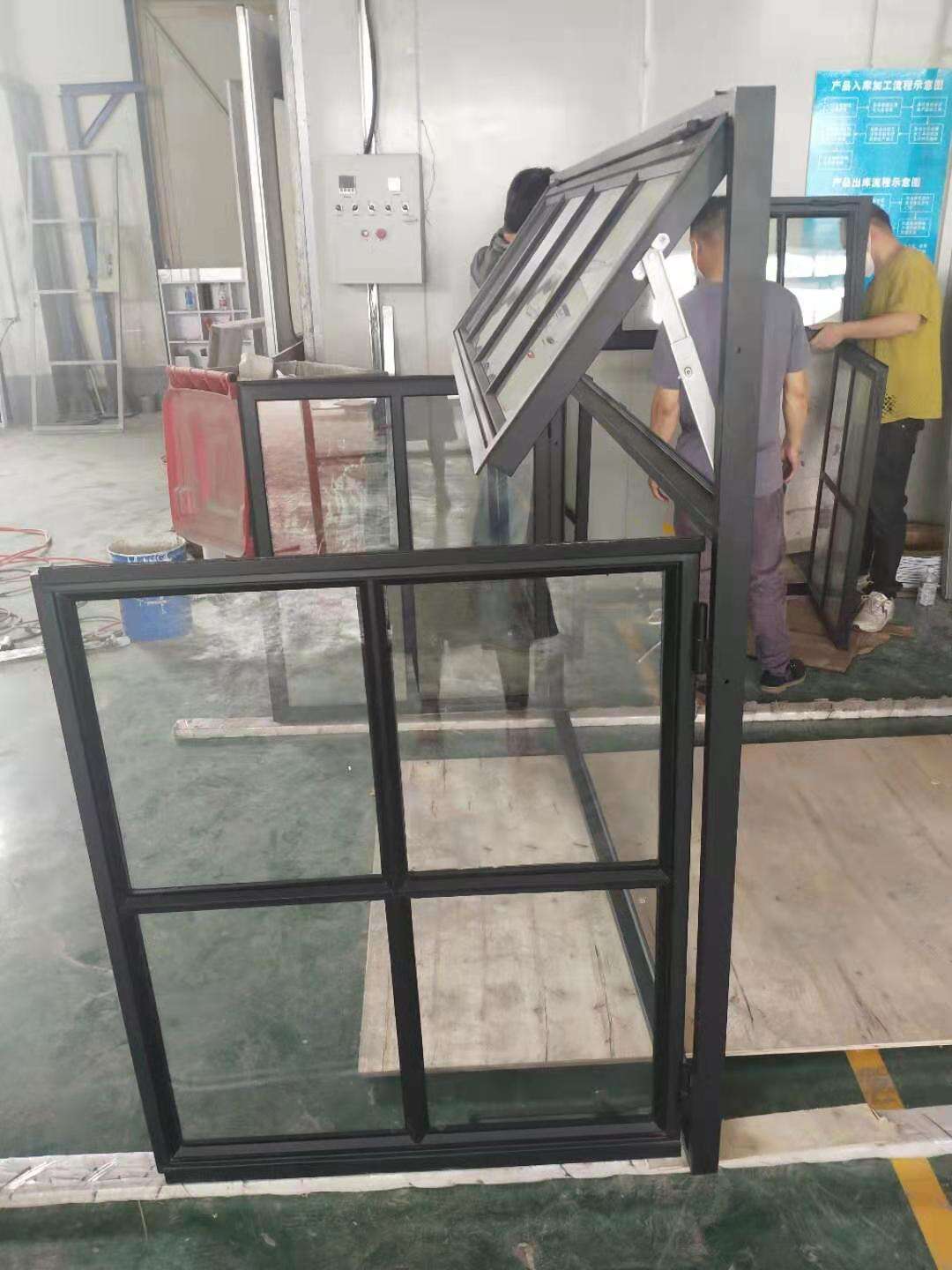
The modern architectural landscape is experiencing a significant transformation as designers and homeowners increasingly embrace minimalist aesthetics and open-concept living spaces. At the forefront of this revolution are steel fixed windows, which have emerged as the defining element of contemporary residential and commercial design. These architectural features combine industrial strength with refined elegance, creating seamless connections between interior and exterior environments while maintaining the clean lines essential to minimalist philosophy.
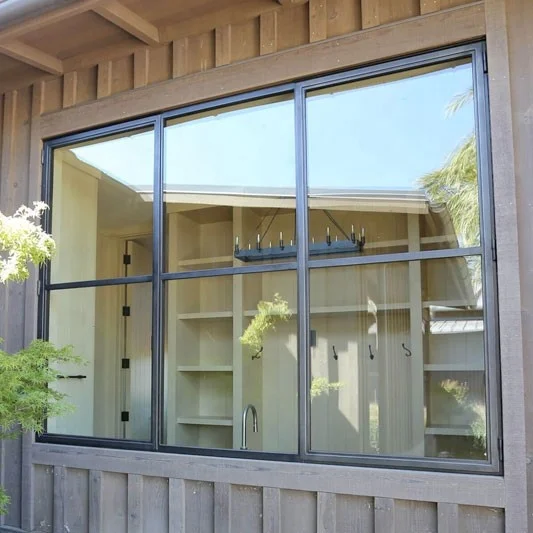
The integration of steel fixed windows into open-concept architecture represents more than a mere design trend; it reflects a fundamental shift in how we perceive and interact with our built environment. These windows serve as transparent barriers that eliminate visual boundaries while providing structural integrity and weather protection. Their popularity stems from their ability to maximize natural light penetration, create unobstructed views, and support the spatial fluidity that defines contemporary living.
Architectural Evolution and Design Philosophy
Historical Context of Steel Window Systems
The journey of steel fixed windows in modern architecture traces back to the industrial revolution when steel became readily available as a construction material. Early adopters recognized the superior strength-to-weight ratio that steel offered compared to traditional wood frames. This innovation allowed architects to create larger openings and more expansive glass surfaces, fundamentally changing how buildings interacted with their surroundings.
During the mid-twentieth century, steel fixed windows gained prominence through the works of influential architects who championed the modernist movement. These pioneers understood that steel frames could support substantial glass panels while maintaining minimal visual presence, allowing the transparency and openness that became hallmarks of contemporary design. The material's durability and weather resistance made it particularly suitable for large-scale installations where maintenance accessibility was limited.
Contemporary Minimalist Principles
Today's minimalist architecture emphasizes the elimination of unnecessary elements while maximizing functional efficiency and aesthetic impact. Steel fixed windows align perfectly with these principles by providing maximum transparency with minimal frame visibility. The sleek profiles characteristic of modern steel window systems support the "less is more" philosophy while delivering exceptional performance in terms of structural integrity and thermal efficiency.
The clean, geometric lines of steel fixed windows complement the rectilinear forms preferred in minimalist design. Their ability to span large openings without intermediate supports creates the uninterrupted sight lines essential for maintaining visual continuity between interior and exterior spaces. This seamless integration enhances the sense of spatial expansion that is crucial to open-concept living.
Technical Advantages in Open-Concept Spaces
Structural Performance and Load Distribution
The structural advantages of steel fixed windows become particularly evident in open-concept architecture where large spans and minimal structural interruptions are essential. Steel's high tensile strength allows these windows to support significant loads while maintaining narrow profile dimensions. This characteristic enables architects to create expansive glazed surfaces that would be impossible with other materials.
The load-bearing capacity of steel fixed windows contributes to the overall structural system of open-concept buildings. When properly integrated into the building envelope, these windows can participate in lateral load resistance, reducing the need for additional structural elements that might compromise the minimalist aesthetic. The precision manufacturing possible with steel ensures consistent performance across multiple units and installations.
Thermal Performance and Energy Efficiency
Modern steel fixed windows incorporate advanced thermal break technology that addresses the traditional challenge of metal frame conductivity. High-performance glazing systems combined with thermally broken steel frames achieve exceptional energy efficiency ratings while maintaining the slim profiles demanded by contemporary design. These systems help regulate interior temperatures naturally, reducing mechanical heating and cooling loads.
The large glazed areas possible with steel fixed windows maximize passive solar gain during winter months while strategic placement and shading systems prevent overheating during summer. This passive environmental control aligns with sustainable design principles increasingly important in modern architecture. The durability of steel frames ensures long-term performance without degradation, maintaining energy efficiency throughout the building's lifecycle.
Design Integration and Spatial Relationships
Creating Seamless Indoor-Outdoor Connections
Steel fixed windows excel at dissolving the traditional boundaries between interior and exterior spaces, a fundamental objective in open-concept design. Their ability to accommodate floor-to-ceiling installations creates the illusion of continuous space extending beyond the building envelope. This visual continuity is essential for maximizing the perceived size and openness of interior spaces.
The precision manufacturing of steel fixed windows enables tight tolerances and consistent alignment across multiple units, creating uninterrupted glazed surfaces that appear as single expansive elements. This uniformity supports the clean, ordered aesthetic preferred in minimalist architecture while providing the practical benefits of compartmentalized weather sealing and structural support.
Light Management and Visual Comfort
The strategic placement of steel fixed windows in open-concept spaces requires careful consideration of daylight distribution and glare control. The narrow frame profiles minimize shadows and maximize light transmission, allowing natural illumination to penetrate deep into interior spaces. This enhanced daylight availability reduces artificial lighting requirements and creates more comfortable, naturally lit environments.
Advanced glazing options available with steel fixed windows provide precise control over light quality and quantity. Low-emissivity coatings, tinted glass, and specialty glazing systems allow designers to optimize visual comfort while maintaining transparency. The stability of steel frames supports these sophisticated glazing systems without warping or movement that might compromise performance over time.
Manufacturing Excellence and Quality Standards
Precision Engineering and Fabrication
The manufacturing of steel fixed windows requires exceptional precision to achieve the tight tolerances demanded by modern architecture. Advanced fabrication techniques including laser cutting, robotic welding, and computer-controlled machining ensure consistent quality across production runs. This precision manufacturing enables the seamless integration essential for open-concept applications.
Quality control processes in steel fixed window manufacturing include rigorous testing of structural performance, weather resistance, and thermal properties. These standards ensure that each window unit meets the demanding requirements of contemporary architecture while providing long-term reliability. The traceability inherent in modern manufacturing processes allows for consistent replication of successful designs across multiple projects.
Surface Treatment and Finish Options
Modern steel fixed windows benefit from advanced surface treatment technologies that provide superior corrosion resistance and aesthetic appeal. Powder coating systems offer virtually unlimited color options while providing durable, weather-resistant finishes that maintain their appearance over decades of service. These finish options allow architects to coordinate steel fixed windows with other building elements while preserving their distinctive character.
Specialized treatments such as weathering steel finishes create unique aesthetic effects that complement industrial and contemporary architectural styles. The controlled oxidation process creates distinctive patinas that change over time, adding visual interest while providing excellent corrosion resistance. These finish options expand the design possibilities for steel fixed windows in minimalist applications.
Installation Considerations and Best Practices
Planning and Coordination Requirements
Successful integration of steel fixed windows into open-concept architecture requires careful coordination between design, manufacturing, and installation phases. The large sizes and weights typical of these installations demand specialized handling equipment and experienced installation teams. Early coordination ensures that structural supports and openings are properly prepared to receive the window units.
Site conditions and access limitations often influence the design and installation approach for steel fixed windows. Modular systems that can be assembled on-site provide flexibility while maintaining the structural integrity and weather performance of factory-assembled units. Proper planning addresses these logistical challenges while preserving design intent and performance requirements.
Weather Sealing and Performance Integration
The weather sealing systems for steel fixed windows must accommodate the movement and expansion characteristics of both the window frames and the surrounding structure. Advanced sealant technologies and gasket systems provide reliable weather barriers while allowing for necessary movement. These systems require careful specification and installation to ensure long-term performance.
Integration with building envelope systems including insulation, vapor barriers, and drainage planes requires detailed coordination during installation. Steel fixed windows must work harmoniously with these systems to prevent condensation, air leakage, and water penetration. Proper integration ensures that the building envelope performs as a complete system rather than individual components.
Market Trends and Future Development
Growing Demand in Residential Markets
The residential market has embraced steel fixed windows as homeowners seek to create more open, light-filled living spaces. The industrial aesthetic of steel frames complements contemporary interior design trends while providing the performance characteristics demanded by modern lifestyles. This growing acceptance has driven innovation in residential-scale steel window systems.
Customization options for steel fixed windows continue to expand as manufacturers respond to diverse residential applications. Standard sizes and configurations provide cost-effective solutions while custom fabrication capabilities address unique architectural requirements. This flexibility enables architects and homeowners to specify steel fixed windows for a wide range of residential projects.
Commercial and Institutional Applications
Commercial and institutional buildings increasingly incorporate steel fixed windows to create welcoming, daylight-rich environments that support occupant well-being and productivity. The durability and low maintenance requirements of steel systems provide long-term value in high-use applications. These installations often feature expansive glazed areas that would be impractical with other frame materials.
Educational facilities, healthcare buildings, and office complexes benefit from the natural lighting and visual connections provided by steel fixed windows. These installations support sustainable building strategies while creating inspiring architectural statements. The proven performance of steel systems in demanding applications continues to expand market acceptance across commercial sectors.
FAQ
What makes steel fixed windows ideal for open-concept architecture
Steel fixed windows are perfect for open-concept architecture because they offer superior structural strength that allows for larger glass panels and wider spans without intermediate supports. Their slim frame profiles maximize glass area while maintaining structural integrity, creating the unobstructed sight lines essential for open-concept design. The material's durability ensures long-term performance in large installations where maintenance access may be limited.
How do steel fixed windows compare to other materials in terms of energy efficiency
Modern steel fixed windows with thermal breaks and high-performance glazing achieve excellent energy efficiency ratings comparable to or better than other frame materials. The thermal break technology addresses steel's natural conductivity while maintaining the structural advantages and slim profiles that make steel desirable. Advanced glazing systems available with steel frames provide precise control over solar heat gain and thermal transfer.
Are steel fixed windows suitable for residential applications
Yes, steel fixed windows are increasingly popular in residential applications, particularly in modern and contemporary homes. They provide exceptional durability, security, and aesthetic appeal while requiring minimal maintenance. The industrial character of steel frames complements current interior design trends, and manufacturers now offer residential-scale systems with appropriate thermal performance and cost-effectiveness for home applications.
What maintenance requirements do steel fixed windows have
Steel fixed windows require minimal maintenance when properly manufactured and finished. Regular cleaning of glass and frames, periodic inspection of sealants, and occasional touch-up of finishes typically constitute the primary maintenance requirements. Modern powder coating finishes and galvanized steel substrates provide excellent corrosion resistance, significantly reducing maintenance needs compared to historical steel window systems.