 EN
EN

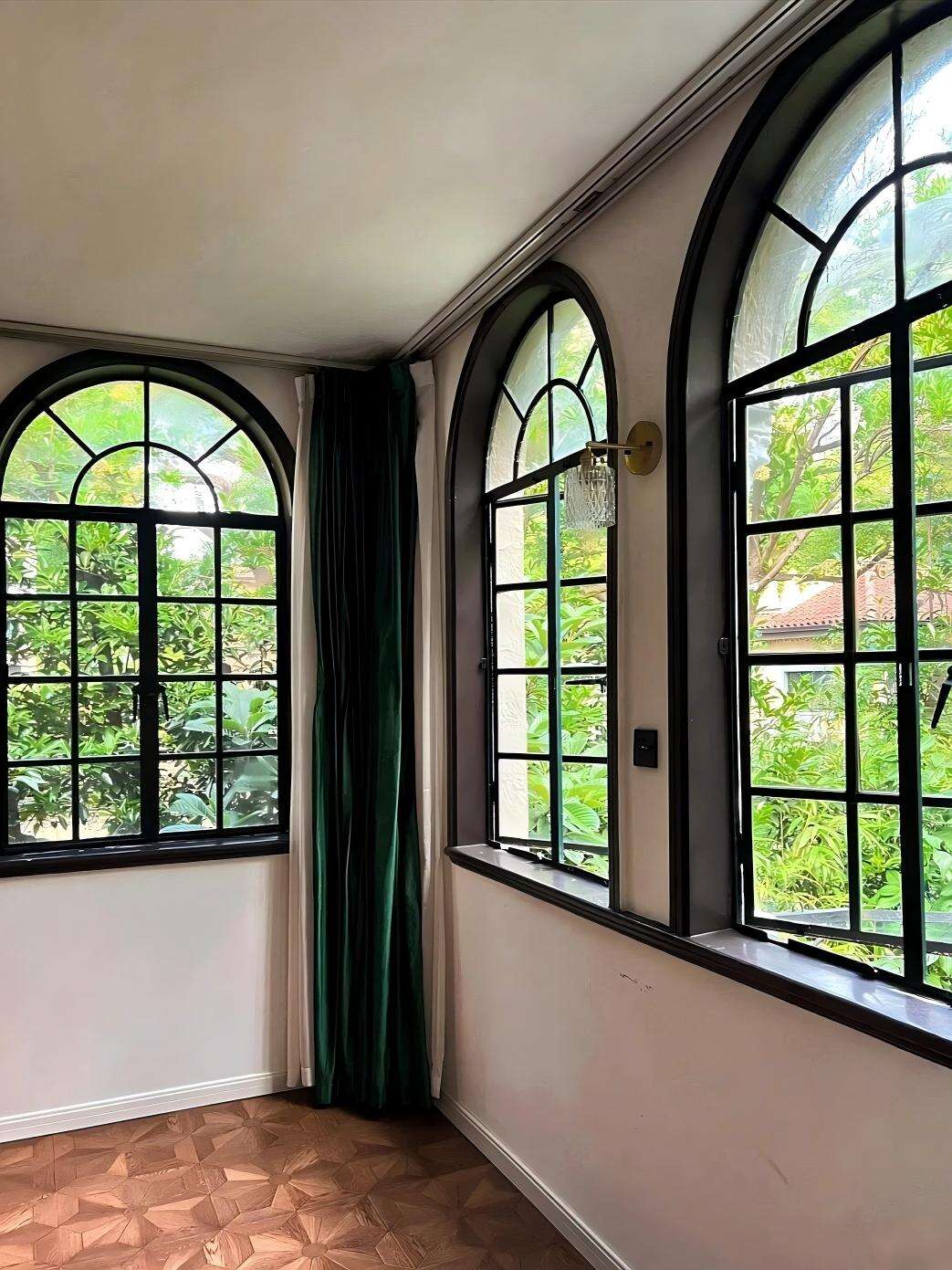
Modern construction practices increasingly emphasize energy efficiency as a critical factor in building design and performance. Custom steel windows have emerged as a sophisticated solution that combines architectural elegance with enhanced thermal performance, challenging traditional perceptions about steel's role in energy-efficient construction. These specialized fenestration systems integrate advanced engineering techniques with contemporary materials science to deliver exceptional insulation properties while maintaining the sleek aesthetic that steel windows are renowned for.
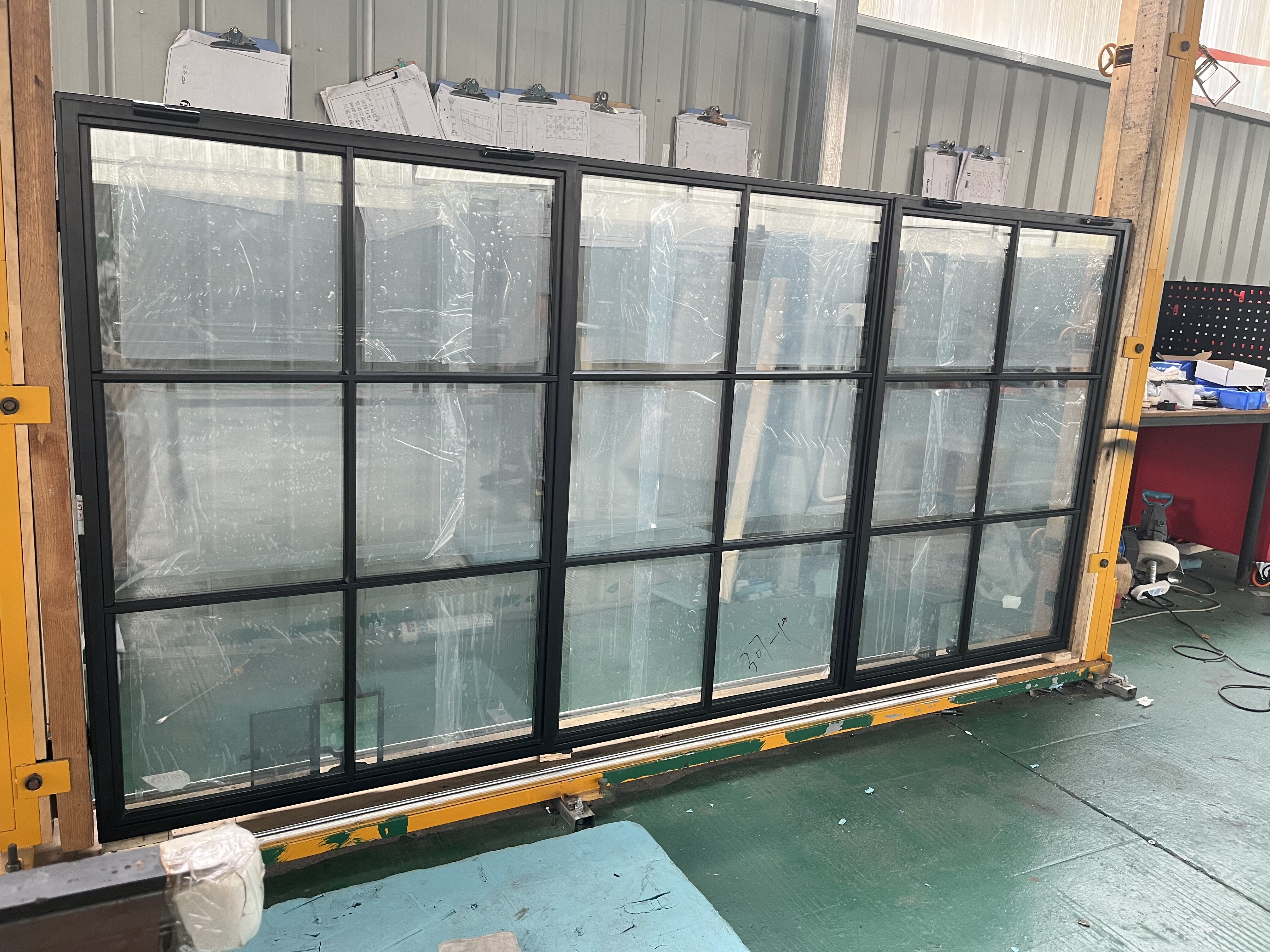
The evolution of custom steel windows reflects broader industry trends toward sustainable building practices and energy conservation. Contemporary manufacturers have developed innovative thermal break technologies that significantly reduce heat transfer through window frames, addressing historical limitations of steel as a building material. These advancements enable architects and builders to specify steel windows in high-performance building envelopes without compromising energy efficiency standards or occupant comfort.
Thermal Performance Technologies in Modern Steel Windows
Advanced Thermal Break Systems
Thermal break technology represents the most significant advancement in custom steel windows for energy efficiency applications. These systems incorporate specialized insulating materials between interior and exterior steel frame components, creating a barrier that prevents thermal bridging. The thermal break effectively interrupts the conductive heat transfer path through the steel frame, dramatically reducing energy losses that would otherwise occur through direct metal-to-metal contact.
Contemporary thermal break systems utilize high-performance polyamide strips or structural glazing compounds that maintain structural integrity while providing exceptional insulation values. These materials are engineered to withstand thermal cycling, moisture exposure, and structural loads while maintaining their insulating properties over extended service life. The result is custom steel windows that achieve U-values comparable to or better than traditional aluminum or wood window systems.
Multi-Chamber Frame Design
Advanced custom steel windows incorporate multi-chamber frame profiles that create additional thermal barriers within the window assembly. These chambers trap air or accommodate insulation materials, further reducing heat transfer through the frame system. The strategic placement of these chambers maximizes thermal resistance while maintaining the structural properties required for large-span glazing applications.
Manufacturing precision ensures that these thermal chambers maintain their effectiveness throughout the window's operational life. Sealed chamber systems prevent moisture infiltration and air circulation that could compromise thermal performance. This attention to detail in custom steel windows manufacturing results in fenestration systems that contribute positively to overall building energy performance rather than representing thermal weak points in the building envelope.
Glazing Integration and Energy Performance
High-Performance Glass Systems
The energy efficiency of custom steel windows depends significantly on the integration of advanced glazing systems with thermally broken frames. Triple-glazed units with low-emissivity coatings and noble gas fills are commonly specified in high-performance applications. The structural capacity of steel frames enables these heavy glazing systems without compromising operational functionality or requiring additional structural support.
Selective glazing specifications allow custom steel windows to optimize solar heat gain while minimizing unwanted heat loss. South-facing installations might incorporate high solar heat gain coefficient glazing to capture passive solar energy during heating seasons, while north-facing windows utilize low solar heat gain glazing to minimize cooling loads. This strategic approach maximizes the energy efficiency contribution of the complete window system.
Structural Glazing Applications
Structural glazing techniques enable custom steel windows to achieve minimal sight lines while maintaining exceptional thermal performance. The structural adhesive systems used in these applications provide both weather sealing and thermal barrier functions, eliminating potential thermal bridges that could occur with mechanical glazing retention systems. This integration approach maximizes glazed area while minimizing frame area, optimizing the window's overall thermal transmittance.
Advanced structural glazing compounds maintain their properties across wide temperature ranges and provide long-term durability in demanding environmental conditions. The compatibility of these systems with thermal break technologies ensures that energy efficiency benefits are maintained throughout the window's service life without degradation of sealing or insulation properties.
Installation and Integration Considerations
Building Envelope Integration
Proper installation of custom steel windows requires careful attention to building envelope continuity and thermal bridge mitigation. Installation details must address the transition between window frame thermal breaks and adjacent wall insulation systems. Specialized installation accessories and sealant systems ensure that the energy efficiency benefits of high-performance windows are not compromised by installation defects or thermal bridging at the frame-to-wall interface.
Contemporary installation practices for custom steel windows incorporate continuous insulation techniques and advanced air sealing methods that maintain building envelope performance. These approaches require coordination between window manufacturers, installers, and building envelope consultants to ensure optimal energy performance outcomes. The investment in proper installation techniques directly impacts the long-term energy efficiency benefits that custom steel windows can provide.
Quality Assurance and Performance Testing
Energy-efficient custom steel windows undergo rigorous performance testing to verify thermal properties and air infiltration rates. Standard testing protocols evaluate U-values, solar heat gain coefficients, and visible light transmittance under controlled laboratory conditions. Field verification through thermographic analysis and blower door testing confirms that installed performance meets design specifications and energy modeling assumptions.
Manufacturer quality assurance programs ensure consistent thermal performance across production runs of custom steel windows. Statistical process control and material certification programs maintain the reliability of thermal break systems and glazing integration. This quality focus enables specifiers to confidently incorporate custom steel windows in high-performance building designs with predictable energy efficiency outcomes.
Design Flexibility and Performance Optimization
Architectural Integration Strategies
Custom steel windows offer exceptional design flexibility that enables architects to optimize both aesthetic and energy performance objectives. The structural capacity of steel frames allows for large glazed openings that maximize natural daylighting while incorporating high-performance glazing systems that minimize energy consumption. This combination supports passive building design strategies that reduce mechanical system loads and operating energy consumption.
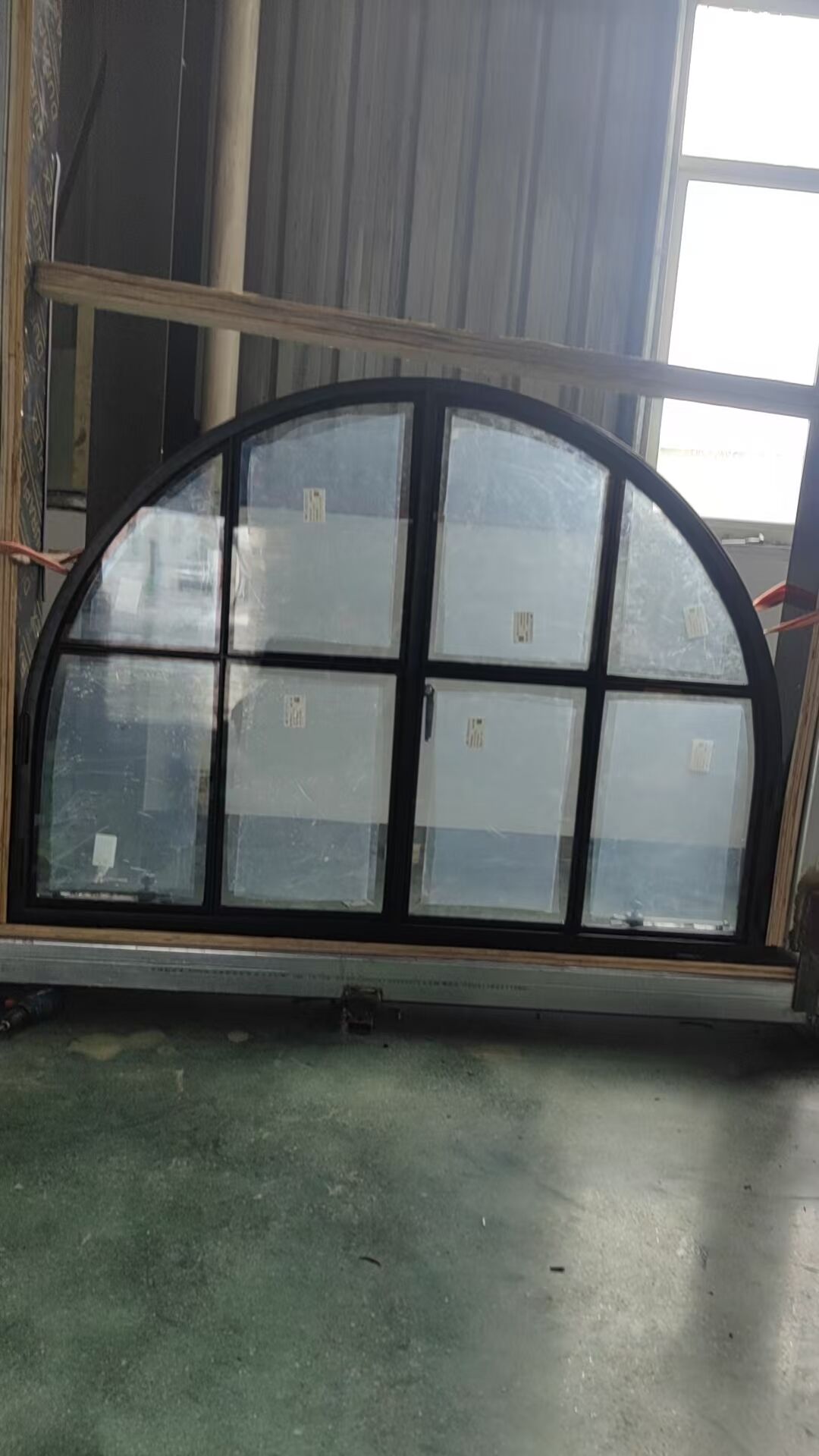
Contemporary custom steel windows can accommodate complex geometric configurations while maintaining thermal performance standards. Curved sections, angled installations, and multi-panel assemblies are feasible without compromising energy efficiency when proper thermal break continuity is maintained. This design flexibility enables architects to create distinctive building facades while meeting stringent energy performance requirements.
Operational Features for Energy Optimization
Operable custom steel windows incorporate advanced hardware systems that maintain air sealing performance while providing natural ventilation opportunities. Multi-point locking systems ensure consistent compression of weather sealing gaskets around the entire perimeter of operable sashes. This attention to operational details prevents air leakage that could compromise the energy efficiency benefits of high-performance glazing and thermal break systems.
Automated control systems can integrate with custom steel windows to optimize natural ventilation and daylighting strategies. Motorized operators respond to building automation systems that monitor indoor air quality, temperature, and lighting levels. This integration enables custom steel windows to actively contribute to building energy efficiency through intelligent operation that reduces mechanical system loads while maintaining occupant comfort.
Life Cycle Performance and Sustainability
Durability and Maintenance Considerations
The longevity of custom steel windows contributes significantly to their overall energy efficiency benefits over building life cycles. Steel's inherent durability and resistance to dimensional changes maintain the integrity of thermal break systems and glazing seals over extended service periods. This stability ensures that energy performance benefits are sustained without degradation that commonly affects other window materials as they age.
Maintenance requirements for energy-efficient custom steel windows are typically minimal compared to other high-performance window systems. The durability of thermal break materials and the stability of steel frames reduce the need for seal replacement or frame adjustments that could compromise energy performance. Regular maintenance focuses on hardware lubrication and glass cleaning rather than structural or thermal performance restoration.
Environmental Impact Assessment
Life cycle assessment of custom steel windows demonstrates favorable environmental profiles when energy efficiency benefits are considered over building lifespans. The embodied energy in steel frame production is offset by reduced operational energy consumption enabled by high thermal performance. Steel's recyclability at end-of-life further enhances the environmental benefits of custom steel windows in sustainable building applications.
Manufacturing processes for custom steel windows increasingly incorporate recycled steel content and energy-efficient production techniques. The durability of steel windows extends replacement cycles compared to other materials, reducing long-term material consumption and associated environmental impacts. These factors support the specification of custom steel windows in buildings pursuing green building certification and carbon reduction objectives.
FAQ
How do thermal breaks in custom steel windows compare to traditional steel window systems
Thermal breaks in custom steel windows create a fundamental difference in energy performance compared to traditional steel systems. While conventional steel windows conduct heat freely through continuous metal frames, thermal break systems interrupt this conductive path with insulating materials. This technology can reduce heat transfer through the frame by 60-80%, transforming steel windows from energy liabilities into high-performance building components that meet modern energy codes and green building standards.
What glazing options work best with energy-efficient custom steel windows
Energy-efficient custom steel windows perform optimally with triple-glazed units featuring low-emissivity coatings and argon or krypton gas fills. The structural strength of steel frames readily accommodates these heavy glazing systems without operational problems. Glazing selection should consider building orientation, climate conditions, and energy modeling results to optimize solar heat gain characteristics. High-performance glazing can achieve center-of-glass U-values as low as 0.15-0.25 BTU/hr·ft²·°F when properly integrated with thermally broken steel frames.
Can custom steel windows achieve passive house performance standards
Advanced custom steel windows can achieve passive house performance standards when properly designed and manufactured with appropriate thermal break systems and high-performance glazing. Whole-window U-values of 0.14-0.17 BTU/hr·ft²·°F are achievable with current technology, meeting passive house requirements in most climate zones. Success requires careful attention to installation details, thermal bridge elimination, and air sealing continuity. Some passive house projects have successfully incorporated custom steel windows while meeting the stringent energy performance criteria.
What installation considerations affect energy performance of custom steel windows
Proper installation is critical for achieving designed energy performance from custom steel windows. Key considerations include maintaining insulation continuity between window frames and wall systems, eliminating thermal bridges at installation interfaces, and ensuring proper air sealing around the entire perimeter. Installation accessories such as insulated shims, expanding foam sealants, and vapor barrier transitions must be compatible with the window system and building envelope design. Professional installation training and quality verification through thermographic testing help ensure optimal energy performance outcomes.
Table of Contents
- Thermal Performance Technologies in Modern Steel Windows
- Glazing Integration and Energy Performance
- Installation and Integration Considerations
- Design Flexibility and Performance Optimization
- Life Cycle Performance and Sustainability
-
FAQ
- How do thermal breaks in custom steel windows compare to traditional steel window systems
- What glazing options work best with energy-efficient custom steel windows
- Can custom steel windows achieve passive house performance standards
- What installation considerations affect energy performance of custom steel windows