 EN
EN

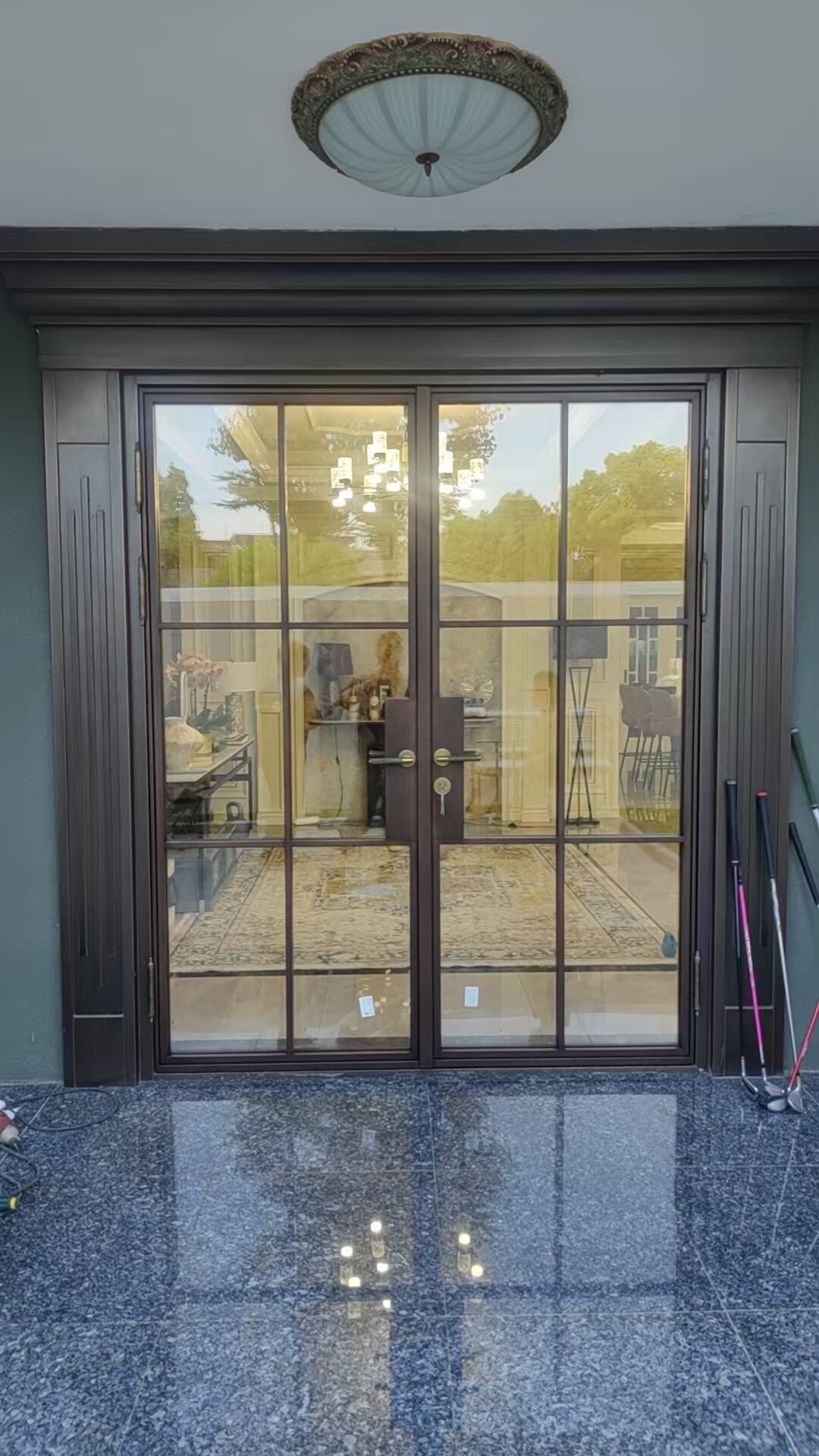
High-end hotels demand architectural elements that convey luxury, durability, and timeless elegance from the moment guests approach the entrance. The choice of entrance doors serves as the first impression and sets the tone for the entire hospitality experience. Among the various premium materials available, brass and bronze doors have emerged as the preferred choice for discerning hotel developers and architects who understand the importance of creating memorable first impressions. These metallic materials offer an unparalleled combination of aesthetic appeal, structural integrity, and long-term value that makes them ideal for prestigious hospitality applications.
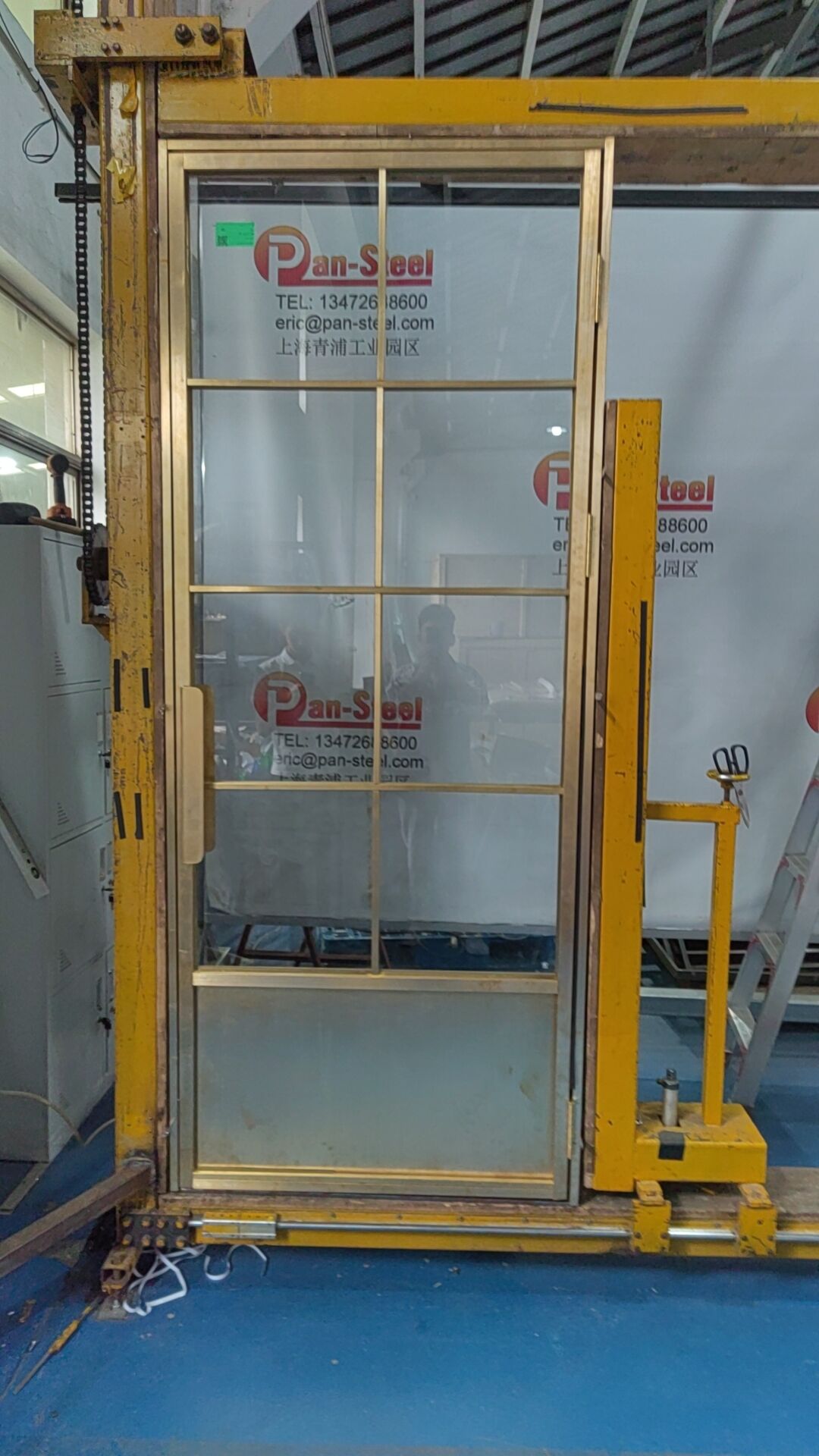
Superior Material Properties for Hospitality Applications
Corrosion Resistance and Longevity
The inherent properties of brass and bronze doors make them exceptionally suitable for high-traffic hotel environments. Brass, composed primarily of copper and zinc, develops a natural patina over time that actually enhances its corrosion resistance. Bronze, an alloy of copper and tin, exhibits similar protective characteristics while maintaining its structural integrity even under constant exposure to varying weather conditions. These materials can withstand the rigorous demands of hotel entrances where doors are opened and closed hundreds of times daily without showing significant wear or deterioration.
Unlike steel doors that may rust or aluminum doors that can show scratches and dents, brass and bronze doors actually improve in appearance with age. The natural oxidation process creates a protective layer that shields the underlying metal from environmental damage. This characteristic is particularly valuable for hotels located in coastal areas or regions with harsh weather conditions, where traditional door materials might fail prematurely.
Thermal and Acoustic Performance
The dense composition of brass and bronze provides excellent thermal mass properties, contributing to energy efficiency in hotel buildings. These materials help maintain stable interior temperatures by absorbing and slowly releasing thermal energy, reducing the load on HVAC systems. Additionally, the substantial weight and density of these metals offer superior sound dampening characteristics compared to lighter alternatives, creating a quieter, more refined entrance experience that aligns with luxury hospitality standards.
Modern brass and bronze doors can be engineered with thermal breaks and high-performance sealing systems to meet contemporary energy codes while maintaining their classic aesthetic appeal. This combination of traditional craftsmanship with modern performance standards makes them ideal for hotels seeking LEED certification or other sustainability designations.
Aesthetic Versatility and Design Excellence
Customization Capabilities
One of the most compelling advantages of brass and bronze doors lies in their exceptional customization potential. These malleable metals can be shaped, etched, embossed, and finished in countless ways to reflect a hotel's unique brand identity and architectural style. From intricate Art Deco patterns that evoke the glamour of classic luxury hotels to sleek contemporary designs that complement modern hospitality concepts, brass and bronze doors can be tailored to virtually any design vision.
Master craftsmen can incorporate hotel logos, monograms, or signature design elements directly into the door surface through various techniques including casting, engraving, and applied metalwork. This level of customization allows hotels to create truly unique entrance statements that cannot be replicated by competitors, enhancing brand recognition and guest experience from the first moment of arrival.
Finish Options and Surface Treatments
The range of available finishes for brass and bronze doors extends far beyond the traditional polished gold appearance. Modern finishing techniques can produce everything from brushed satin surfaces to darkened patinas that simulate centuries of aging. Antique bronze finishes are particularly popular for hotels seeking to convey heritage and timeless elegance, while polished brass creates a more contemporary luxury aesthetic.
Specialized treatments can create unique visual effects such as hand-rubbed oil finishes that highlight the natural grain structure of the metal, or chemical patinas that produce striking color variations across the door surface. These finishing options allow brass and bronze doors to complement virtually any architectural style, from traditional European luxury to cutting-edge contemporary design.
Economic Considerations and Long-Term Value
Initial Investment Analysis
While brass and bronze doors require a higher initial investment compared to standard commercial door options, the cost analysis becomes favorable when evaluated over the expected lifespan of a luxury hotel property. Quality brass and bronze doors can easily last 50 years or more with proper maintenance, far exceeding the lifespan of alternative materials. This longevity factor significantly reduces lifecycle costs and eliminates the need for frequent replacements that would disrupt hotel operations.
The premium appearance and durability of brass and bronze doors also contribute to enhanced property values and can be instrumental in achieving higher room rates and occupancy levels. Luxury travelers specifically seek accommodations that demonstrate attention to quality in every detail, and impressive entrance doors serve as tangible evidence of a hotel's commitment to excellence.
Maintenance Requirements and Costs
Contrary to common misconceptions, brass and bronze doors require relatively minimal maintenance when properly installed and initially treated. Regular cleaning with appropriate metal cleaners and periodic application of protective waxes or coatings can maintain their appearance for decades. The natural patina development actually reduces maintenance requirements over time, as the protective oxidation layer becomes more established.
Professional restoration services can address any damage or wear that occurs over extended periods, often at costs significantly lower than complete door replacement. This maintainability factor makes brass and bronze doors particularly attractive for hotel properties planning for long-term operation and consistent brand presentation.
Security and Performance Standards
Structural Integrity and Safety
The robust construction possible with brass and bronze doors provides exceptional security performance that meets or exceeds hospitality industry standards. These materials can accommodate heavy-duty locking mechanisms, access control systems, and panic hardware without compromising structural integrity. The substantial weight and solid construction of brass and bronze doors also serve as a deterrent to unauthorized entry attempts.
Modern brass and bronze doors can be engineered to meet fire safety codes and accessibility requirements while maintaining their aesthetic appeal. Specialized hardware and sealing systems allow these doors to achieve required fire ratings and provide smooth operation for guests with mobility challenges.
Integration with Modern Hotel Technology
Contemporary brass and bronze doors can seamlessly integrate with advanced hotel technology systems including keycard access, biometric readers, and automated opening mechanisms. Discrete mounting solutions allow these electronic components to be incorporated without compromising the door's visual appeal. This technological compatibility ensures that hotels can maintain cutting-edge operational capabilities while preserving the timeless elegance that brass and bronze doors provide.
Smart building integration capabilities allow brass and bronze doors to participate in comprehensive building management systems, providing real-time monitoring of door status, access events, and maintenance requirements. This connectivity supports efficient hotel operations while maintaining the premium guest experience that luxury hospitality demands.
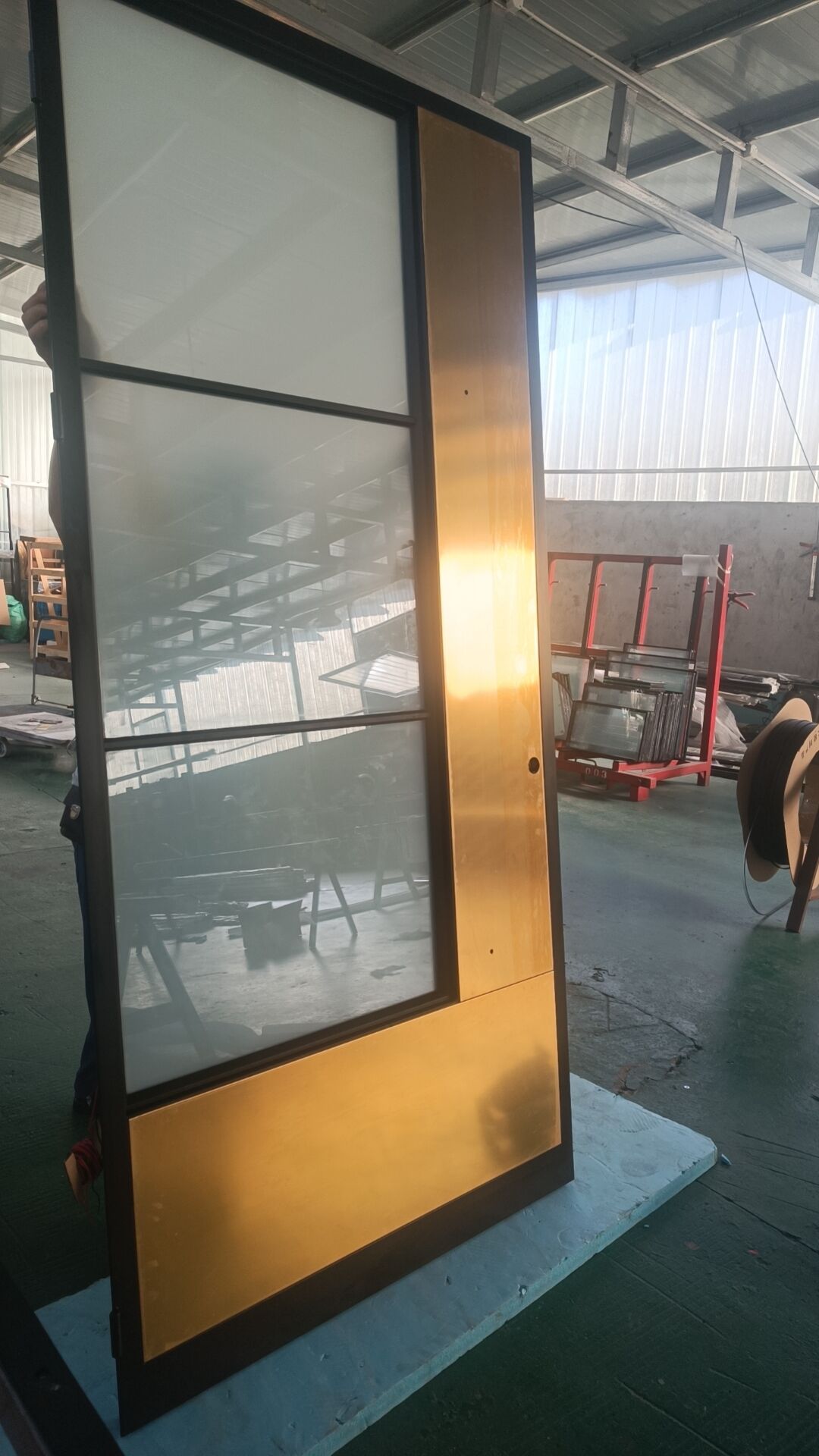
Installation and Project Management Considerations
Specialized Craftsmanship Requirements
Successful installation of brass and bronze doors requires specialized expertise and careful project coordination. These premium materials demand precise measuring, proper structural support preparation, and experienced installation teams familiar with the unique characteristics of metalwork applications. Hotel projects must allocate sufficient time in construction schedules to accommodate the custom fabrication timeline typically required for quality brass and bronze doors.
Working with established manufacturers and installation specialists ensures that brass and bronze doors meet all applicable building codes and performance standards. Professional project management becomes particularly important when coordinating these installations with other hotel construction activities to avoid conflicts and ensure proper sequencing of work.
Quality Assurance and Testing
Rigorous quality control measures are essential when specifying brass and bronze doors for hotel applications. Pre-installation testing should verify dimensional accuracy, hardware operation, and finish quality. On-site inspection during installation ensures proper alignment, sealing, and integration with building systems.
Post-installation commissioning should include comprehensive testing of all door functions, access control integration, and performance verification under various operating conditions. This thorough approach to quality assurance helps prevent operational issues and ensures that brass and bronze doors perform as intended throughout their service life.
FAQ
How long do brass and bronze doors typically last in hotel applications
Quality brass and bronze doors can easily last 50 years or more in hotel applications when properly maintained. The natural corrosion resistance of these materials and their ability to develop protective patinas over time contribute to exceptional longevity. Many historic hotels still operate with original brass and bronze doors installed decades ago, demonstrating the durability of these materials in high-traffic hospitality environments.
What maintenance is required to keep brass and bronze doors looking their best
Regular maintenance for brass and bronze doors involves periodic cleaning with appropriate metal cleaners and application of protective waxes or coatings. The frequency depends on environmental conditions and desired appearance level, but typically ranges from monthly to quarterly attention. Professional restoration services can address any significant wear or damage, often extending the door's service life well beyond that of alternative materials.
Can brass and bronze doors meet modern energy efficiency requirements
Modern brass and bronze doors can be engineered with thermal breaks, high-performance weatherstripping, and insulated cores to meet contemporary energy codes. The thermal mass properties of these metals can actually contribute to building energy efficiency by helping stabilize interior temperatures. Many manufacturers offer brass and bronze doors that comply with LEED and other green building standards.
Are brass and bronze doors suitable for automated opening systems
Yes, brass and bronze doors can be designed to accommodate automated opening systems commonly used in luxury hotels. The robust construction of these materials provides an ideal foundation for mounting the motors and mechanisms required for automatic operation. Proper engineering during the design phase ensures smooth, reliable automated operation while maintaining the elegant appearance that makes brass and bronze doors desirable for hotel entrances.