 EN

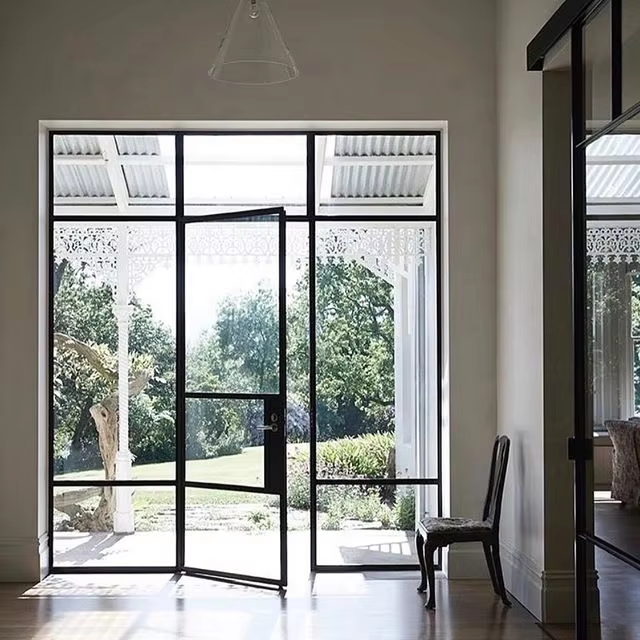
Modern steel window frames have evolved significantly to meet contemporary architectural demands, including the ability to accommodate oversized glass panels. Today's modern steel window frames combine structural integrity with sophisticated engineering to support larger glass surfaces while maintaining energy efficiency and aesthetic appeal. This capability represents a major shift from traditional steel window designs, enabling architects and builders to create dramatic visual statements without compromising durability or thermal performance.
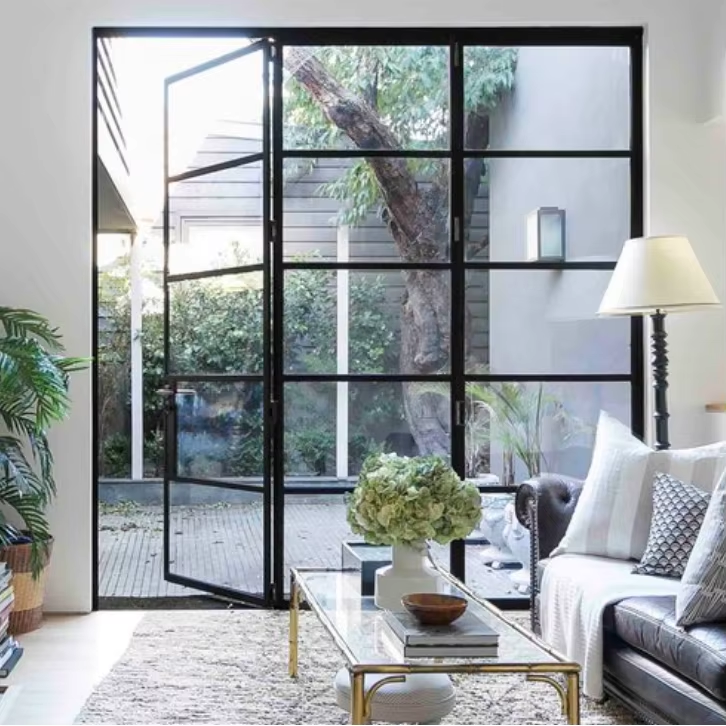
The answer is yes, modern steel window frames can absolutely accommodate oversized glass panels through advanced design techniques and precision manufacturing. Industrial window frame design has transformed to include reinforced profiles, multi-chambered construction, and enhanced load-bearing capabilities. Thermal break steel windows now feature engineering that distributes weight efficiently across larger glass areas while maintaining thermal performance standards that meet or exceed building codes.
Understanding Load-Bearing Capacity in Modern Steel Window Frames
Structural Engineering Behind Oversized Glass Support
Modern steel window frames achieve oversized glass panel accommodation through several key engineering innovations. The core principle involves distributing the weight of larger glass panels across reinforced steel profiles that feature increased cross-sectional dimensions and strategic web designs. Industrial window frame design incorporates thicker steel sections, particularly at mullion intersections and frame perimeters, creating a robust structural foundation capable of handling significant load pressures. Manufacturers perform extensive finite element analysis to ensure each frame configuration can safely support specified glass dimensions without deflection or failure.
Material Specifications and Load Calculations
Steel grades used in modern steel window frames typically range from mild steel to high-strength variants, selected based on the specific glass panel dimensions and environmental conditions. Engineers calculate load capacity by considering glass weight, wind pressures, thermal expansion forces, and seismic considerations where applicable. Thermal break steel windows maintain this structural capacity while incorporating insulation materials between inner and outer steel layers, which surprisingly adds rigidity to the assembly. Professional steel window installation and maintenance protocols ensure frames maintain their load-bearing properties throughout the service life of the installation.
Thermal Break Technology and Glass Panel Performance
Energy Efficiency with Larger Glass Surfaces
Oversized glass panels present thermal challenges that thermal break steel windows specifically address through advanced design. The thermal break concept introduces low-conductivity materials between the exterior and interior steel members, dramatically reducing heat transfer across the frame. Modern steel window frames with thermal breaks can maintain significant energy performance even when supporting large glass areas that might otherwise create thermal bridging issues. This technology enables architects to specify expansive glazing without sacrificing building energy compliance or occupant comfort.
Condensation Control and Moisture Management
Thermal break steel windows minimize interior surface temperatures, reducing condensation formation on oversized glass panels and frame surfaces. Industrial window frame design incorporates drainage pathways and ventilation channels specifically engineered to manage moisture that accumulates around large glazed areas. Modern construction details include weeping holes, internal gutters, and drying chambers that direct water away from critical structural components. Proper steel window installation and maintenance includes regular cleaning of these drainage systems to ensure thermal performance and structural integrity remain optimal over time.
Installation Considerations and Long-Term Performance
Professional Installation Requirements for Oversized Configurations
Steel window installation and maintenance for oversized glass panels demands specialized knowledge and equipment that goes beyond standard window installation procedures. Modern steel window frames require precise alignment, careful sequencing during installation, and specialized support systems to handle large glass panels safely. The installation process must account for frame deflection under glass weight, ensuring proper sealant depth and joint spacing to accommodate expected movement. Professional installers follow detailed specifications for spacing, fastener patterns, and sealant application that directly influence whether modern steel window frames will perform as designed.
Long-Term Durability and Maintenance Protocols
Industrial window frame design includes features that simplify long-term maintenance while preserving structural performance with oversized glass panels. Modern steel window frames benefit from protective coatings, stainless steel fasteners, and accessible design elements that facilitate cleaning and inspection. Thermal break steel windows require periodic assessment of seal integrity, drainage system functionality, and structural connections, particularly in harsh environmental conditions. Regular maintenance extending the lifespan of these installations involves inspecting sealants annually, cleaning drainage pathways quarterly, and performing structural assessments every five years or after significant weather events.
FAQ
What maximum glass panel sizes can modern steel window frames support?
Modern steel window frames can accommodate glass panels exceeding 1500mm in single dimension, with some engineered systems supporting larger sizes depending on profile specification and glass thickness. The maximum size depends on steel grade selection, frame profile cross-section, and the specific thermal break steel windows design chosen. Load calculations performed during the design phase determine exact capacity limits for each project.
How does thermal break technology affect the ability to install oversized glass panels?
Thermal break steel windows actually enhance structural capacity through the added rigidity provided by the insulation materials between steel layers. Industrial window frame design benefits from this additional stiffness, which helps distribute loads more effectively across the frame assembly. Modern steel window frames maintain thermal performance without sacrificing the load-bearing capability needed for oversized glass installations.
What maintenance is required for modern steel window frames with oversized glass panels?
Steel window installation and maintenance protocols for oversized configurations focus on drainage system inspection, sealant integrity verification, and structural connection assessment. Annual cleaning of drainage pathways, quarterly inspection of seals, and five-year structural evaluations ensure modern steel window frames continue supporting large glass panels safely. Thermal break steel windows require attention to the insulation material interface and fastener protection from corrosion.