 EN

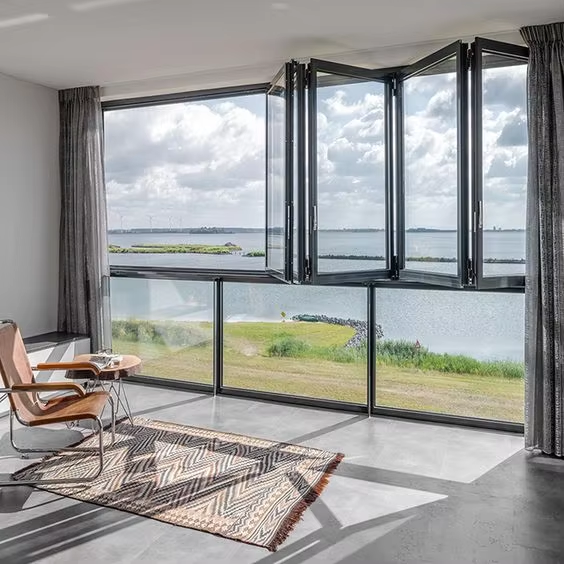
A sliding steel window represents a modern architectural solution that combines strength, aesthetic appeal, and functional performance for commercial buildings. Unlike traditional fixed or hinged alternatives, sliding steel windows offer superior operational flexibility while maintaining the structural integrity that commercial properties demand. For facility managers, architects, and business owners evaluating window systems, understanding the tangible benefits of this technology is essential to making informed investment decisions that balance long-term durability with operational efficiency.
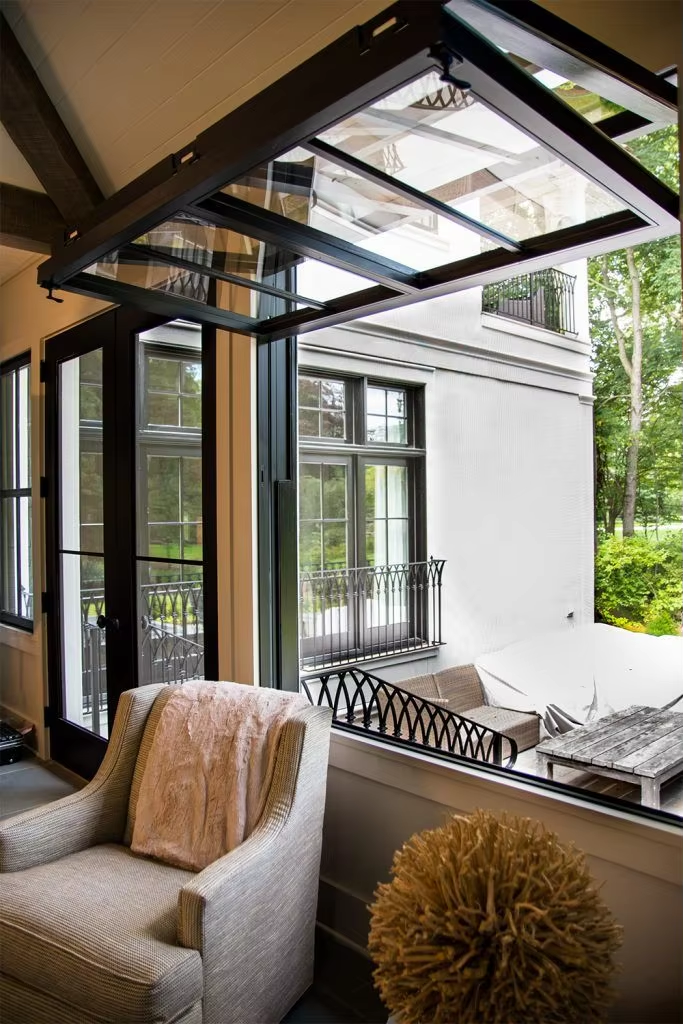
Commercial properties face unique environmental and performance pressures that residential applications do not encounter. High foot traffic, exposure to harsh weather conditions, security requirements, and energy efficiency mandates all influence window system selection. Thermal break steel windows and commercial glass sliding doors have emerged as reliable solutions that address these pressures while delivering consistent value across multiple building types, from retail storefronts to corporate offices and industrial facilities.
Superior Energy Efficiency and Climate Control
Thermal Performance in Commercial Environments
Thermal break steel windows significantly improve a building's energy profile by reducing unwanted heat transfer and air infiltration. The thermal break technology embedded within modern steel frame systems creates an insulating barrier that separates the interior frame from the exterior exposure, minimizing the thermal bridge effect that traditional solid steel frames experience. In commercial settings where climate control costs represent a substantial portion of operational budgets, this efficiency translates directly into measurable utility savings.
A sliding steel window system with proper thermal break design can reduce heating and cooling loads by up to thirty percent compared to older frame technologies. Commercial facilities operating in regions with extreme seasonal temperature swings experience the most dramatic energy cost reductions. The continuous insulation provided by thermal break construction ensures that interior spaces maintain consistent temperatures, reducing the strain on HVAC systems and extending equipment lifespan while improving occupant comfort levels throughout the building.
Condensation Reduction and Indoor Air Quality
Beyond energy savings, thermal performance directly impacts interior air quality and occupant health in commercial spaces. When thermal break steel windows minimize interior surface temperatures during cold periods, condensation formation decreases substantially. This reduction in moisture accumulation prevents mold growth, reduces maintenance requirements, and protects interior furnishings and equipment from humidity-related damage. For healthcare facilities, food service environments, and research laboratories where air quality standards are critical, this benefit carries particular importance.
Durability, Security, and Long-Term Value
Structural Integrity and Weather Resistance
Steel's inherent strength makes it the preferred material for high-performance commercial applications where window systems must withstand significant environmental stresses. A sliding steel window offers superior resistance to warping, bending, and dimensional change compared to aluminum or vinyl alternatives. Commercial glass sliding doors manufactured with steel frames can support heavier glazing loads, accommodate larger glass panels, and maintain structural performance across decades of use without degradation.
Industrial window frame installation standards for steel systems reflect this durability advantage. The material's thermal properties remain stable across temperature cycles, its structural integrity resists corrosion when properly finished, and its load-bearing capacity supports the operational demands of high-traffic commercial environments. Buildings with steel window systems installed properly typically require minimal frame-related maintenance, reducing operational costs and facility management complexity over the asset's thirty to fifty year service life.
Enhanced Security and Access Control Integration
Commercial property security demands robust hardware solutions and structural components that resist forced entry attempts. Steel window frames provide superior security performance compared to lighter materials, and commercial glass sliding doors with steel construction integrate seamlessly with modern access control systems. The solid construction supports heavy-duty locking mechanisms, alarm sensor integration, and panic hardware that meets commercial safety codes and building security requirements.
Facility managers appreciate that sliding steel window systems maintain consistent security performance throughout their operational life. Hardware attachment points remain stable in the rigid steel frame, locks function predictably across temperature cycles, and the overall system resists tampering or bypass attempts that might compromise building security. This reliability reduces insurance costs and administrative burden associated with maintaining building access protocols.
Aesthetic Flexibility and Design Achievement
Modern Architectural Expression and Brand Identity
A sliding steel window system delivers the clean, contemporary aesthetic that modern commercial architecture demands. Thin steel frames maximize visible glass area, creating dramatic visual impacts and allowing natural light penetration that improves occupant experience and productivity. Commercial glass sliding doors with steel construction provide the architectural continuity that contemporary building designs require, whether supporting minimalist corporate environments or dynamic retail storefronts where visual appeal directly influences customer perception.
Steel's design flexibility allows architects to specify custom frame profiles, finishes, and configurations that express brand identity and architectural vision. Sliding mechanisms provide smooth operation without intrusive hardware elements, and the durable powder-coat finishes available for steel frames resist fading and maintain appearance standards throughout decades of service. Thermal break steel windows achieve visual sophistication while delivering the technical performance that commercial operations require.
Customization and Adaptation to Complex Spaces
Industrial window frame installation specialists recognize that commercial buildings often present irregular dimensions, challenging structural conditions, and unique spatial requirements that standard window systems cannot address. Steel construction accommodates custom fabrication that standard alternatives cannot achieve, enabling solutions for non-standard openings, curved installations, and multi-story applications where precision engineering determines success. This adaptability proves particularly valuable in historic building renovations, adaptive reuse projects, and specialized facilities where standard window solutions prove inadequate.
FAQ
How do thermal break steel windows compare to traditional solid steel frames in terms of energy performance?
Thermal break steel windows substantially outperform traditional solid steel frames by incorporating an insulating material layer that interrupts the thermal pathway between interior and exterior surfaces. This design reduces the U-value significantly, meaning less heat transfers through the frame. Traditional frames conduct temperature changes directly across the steel, creating cold spots on interior surfaces and increasing condensation risk. The thermal break design can reduce energy loss by thirty percent or more, delivering measurable utility savings and improved occupant comfort compared to legacy systems.
Are commercial glass sliding doors suitable for high-security applications?
Yes, commercial glass sliding doors with steel frames provide excellent security performance when specified with appropriate hardware, glazing materials, and installation standards. Steel construction supports heavy-duty locking mechanisms, reinforced frames resist forced entry attempts, and the material's rigidity prevents deflection under stress. Access control system integration and alarm sensor compatibility are straightforward with steel hardware attachment points. Consulting with security specialists during design ensures the system meets specific building security requirements and applicable codes.
What maintenance requirements apply to sliding steel window systems?
Sliding steel window systems require minimal maintenance when properly installed and finished. Periodic cleaning of glass and hardware, occasional lubrication of sliding mechanisms, and inspection of sealants ensure optimal performance. Powder-coat finishes resist corrosion and fading, eliminating painting requirements that traditional bare steel demanded. Industrial window frame installation practices emphasize proper drainage, sealant application, and ventilation to prevent moisture accumulation. Well-maintained systems typically require only basic care throughout their decades-long service life, making them cost-effective compared to higher-maintenance alternatives.