 EN

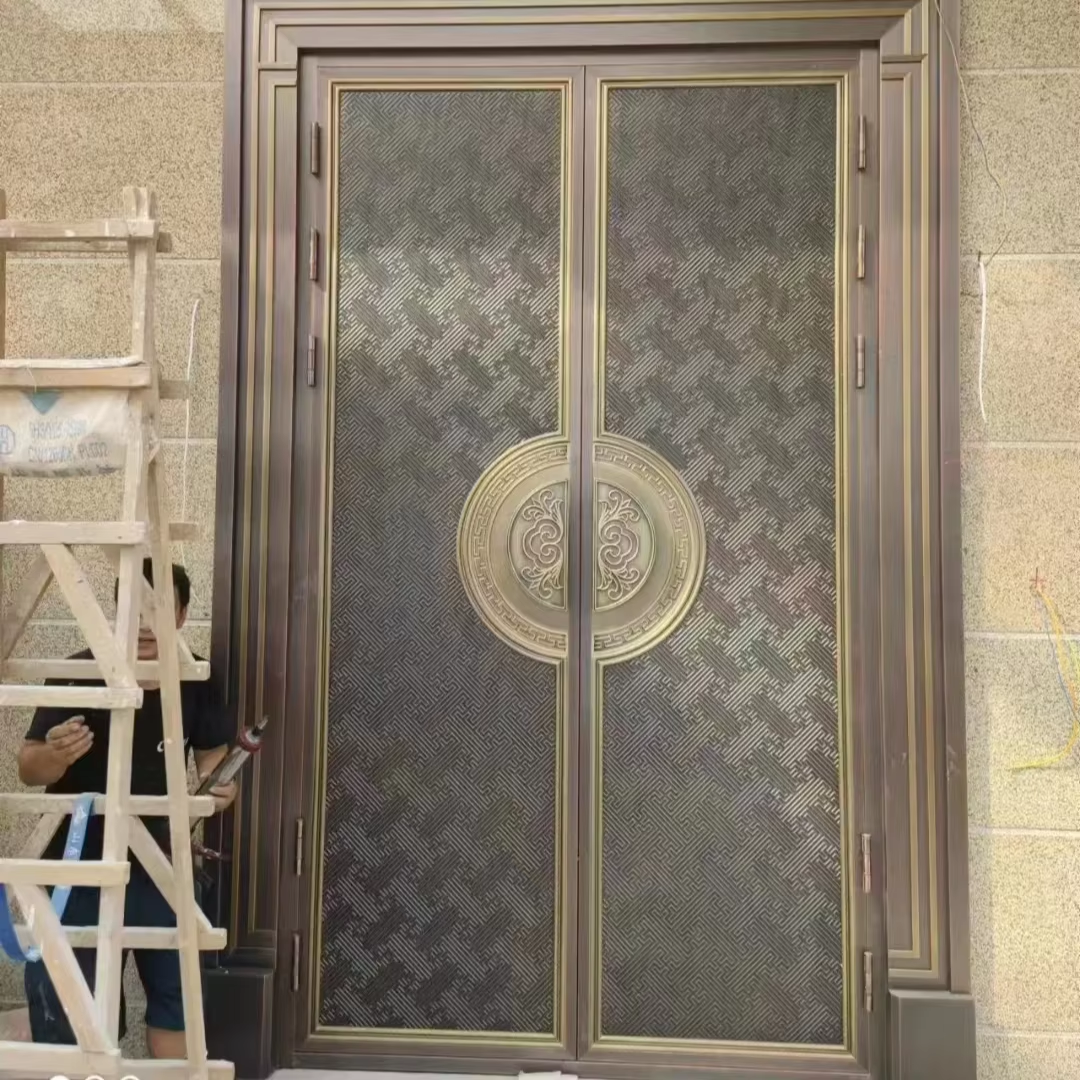
Creating a memorable architectural entrance requires more than standard off-the-shelf solutions. Bespoke metal doors offer architects, designers, and building owners the opportunity to craft entrances that reflect their project's unique identity and functional demands. Unlike mass-produced alternatives, these specialized doors combine aesthetic precision with technical engineering to solve complex architectural challenges while establishing a powerful visual statement at the building facade.
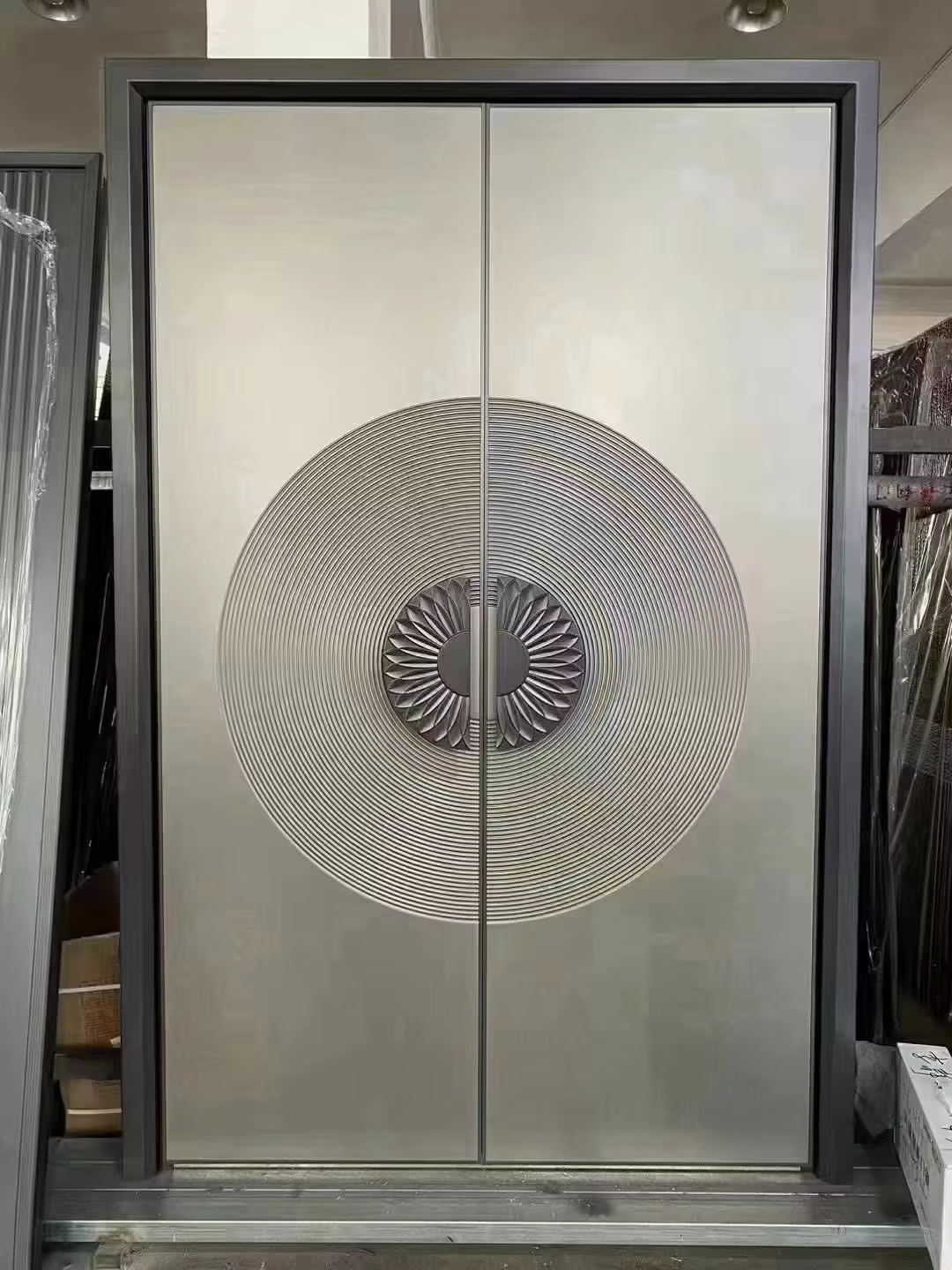
The demand for distinctive entrance solutions has grown significantly across commercial, hospitality, and institutional sectors. Bespoke metal doors provide the flexibility to match specific architectural styles, structural requirements, and brand positioning while delivering robust performance. This article explores how custom metal door installation, integrated steel door security features, and thoughtful industrial metal door design converge to create entrances that are both functionally superior and visually compelling.
Understanding Bespoke Metal Door Design Philosophy
The Role of Customization in Architectural Identity
Every architectural project carries distinct spatial, cultural, and functional requirements that standard doors cannot address. Bespoke metal doors allow designers to specify exact dimensions, material compositions, finish treatments, and hardware integration tailored to the building's character and technical specifications. This level of customization ensures that the entrance becomes an integral part of the architectural narrative rather than a generic functional element.
The industrial metal door design process begins with understanding the project context. Architects working with custom metal door installation specialists evaluate exposure conditions, traffic patterns, security needs, and aesthetic goals. This collaborative approach ensures that the final doors achieve seamless integration with the building envelope while delivering durability and visual coherence across the facade.
Material Selection and Performance Alignment
Steel door security features form the foundation of effective bespoke metal doors. Selecting appropriate steel grades, frame reinforcement, and locking mechanisms protects the building while meeting security standards required by different facility types. Premium materials resist corrosion, weathering, and physical stress, ensuring long-term performance in demanding environmental conditions.
Finish selections significantly influence both durability and appearance. Powder coating, hot-dip galvanizing, and specialized weathering treatments extend the lifespan of bespoke metal doors while maintaining aesthetic qualities. The choice of finish depends on climate exposure, maintenance resources, and desired patina development over time.
Custom Metal Door Installation Best Practices
Structural Integration and Frame Preparation
Successful custom metal door installation requires precise structural preparation and coordinated detailing. The opening must accommodate the specified door dimensions with correct clearances for operation, weatherstripping, and thermal movement. Professional installers verify structural alignment, frame squareness, and threshold conditions before fabrication begins to prevent costly field adjustments.
The frame design for bespoke metal doors must account for building code requirements, wind resistance classifications, and aesthetic continuity with surrounding materials. Custom frames integrate flashing details that direct water away from the building envelope while maintaining clean sight lines. Proper installation of these components prevents water intrusion and ensures the door system performs as designed.
Hardware Integration and Operational Functionality
Hardware selection significantly impacts the functionality and longevity of bespoke metal doors. Hinges, closers, locks, and handles must be compatible with the door construction and capable of supporting the door's weight and duty cycle. Steel door security features include reinforced frame anchoring, heavy-duty pivot systems, and integrated access control compatibility.
Testing and adjustment during custom metal door installation ensure smooth operation under all conditions. Closer tension, hinge alignment, and latch engagement require precise calibration. Professional installation teams perform thorough commissioning to verify that the door operates reliably and safely throughout its lifecycle.
Industrial Metal Door Design for Distinctive Entrances
Aesthetic Expression Through Material and Geometry
Industrial metal door design celebrates the inherent qualities of steel, iron, and other metals through thoughtful geometric composition and surface articulation. Bespoke metal doors might feature welded patterns, oxidized finishes, or sculptural relief elements that reflect contemporary design sensibilities or complement historic architectural vocabulary. This approach transforms the entrance into a sculptural element that commands visual attention.
The interplay of solid panels, glazing, and transparent sections creates visual lightness while maintaining the robust presence characteristic of steel door security features. Designers balance opacity and transparency strategically to control views, manage natural light, and establish psychological thresholds between exterior and interior environments. These compositional decisions enhance the user experience while reinforcing the architectural concept.
Environmental Performance and Longevity
Bespoke metal doors must withstand demanding environmental conditions while maintaining aesthetic integrity over decades. Material thickness, joint detailing, and surface treatments work together to resist moisture penetration, UV degradation, and mechanical wear. Custom metal door installation specialists ensure that expansion joints, flashing, and sealant systems accommodate thermal movement without compromising the visual design.
Maintenance protocols developed specifically for each installation extend the lifespan of bespoke metal doors. Regular inspection, appropriate cleaning methods, and timely sealant renewal prevent deterioration and preserve the intended appearance. Steel door security features such as corrosion-resistant coatings and stainless steel hardware components enhance durability in challenging climate zones.
FAQ
How do bespoke metal doors improve security compared to standard doors?
Bespoke metal doors integrate advanced steel door security features including heavy-gauge materials, reinforced frames, multi-point locking systems, and frame anchoring designed for specific facility requirements. Custom engineering allows security specifications to match threat assessment findings, building codes, and operational protocols rather than relying on generic solutions. Designers can incorporate access control integration, impact resistance, and ballistic protection when required by the project context.
What factors influence the cost and timeline for custom metal door installation?
The cost and timeline for custom metal door installation depend on design complexity, material specifications, quantity, delivery distance, and site conditions. Bespoke metal doors require shop drawing development, material procurement, and specialized fabrication that extend timelines compared to standard products. Early collaboration with installation specialists during design development allows accurate budgeting and realistic scheduling that accommodates fabrication lead times and on-site coordination requirements.
Can industrial metal door design accommodate both modern and traditional architectural styles?
Industrial metal door design is remarkably versatile and responsive to diverse architectural vocabularies. Contemporary minimalist approaches emphasize clean lines and refined proportions, while heritage-influenced designs incorporate traditional panel patterns, decorative ironwork, and patina finishes. Bespoke metal doors can be customized to complement any architectural aesthetic through thoughtful material selection, geometric composition, and surface finish choices that align with the overall design vision.