 EN

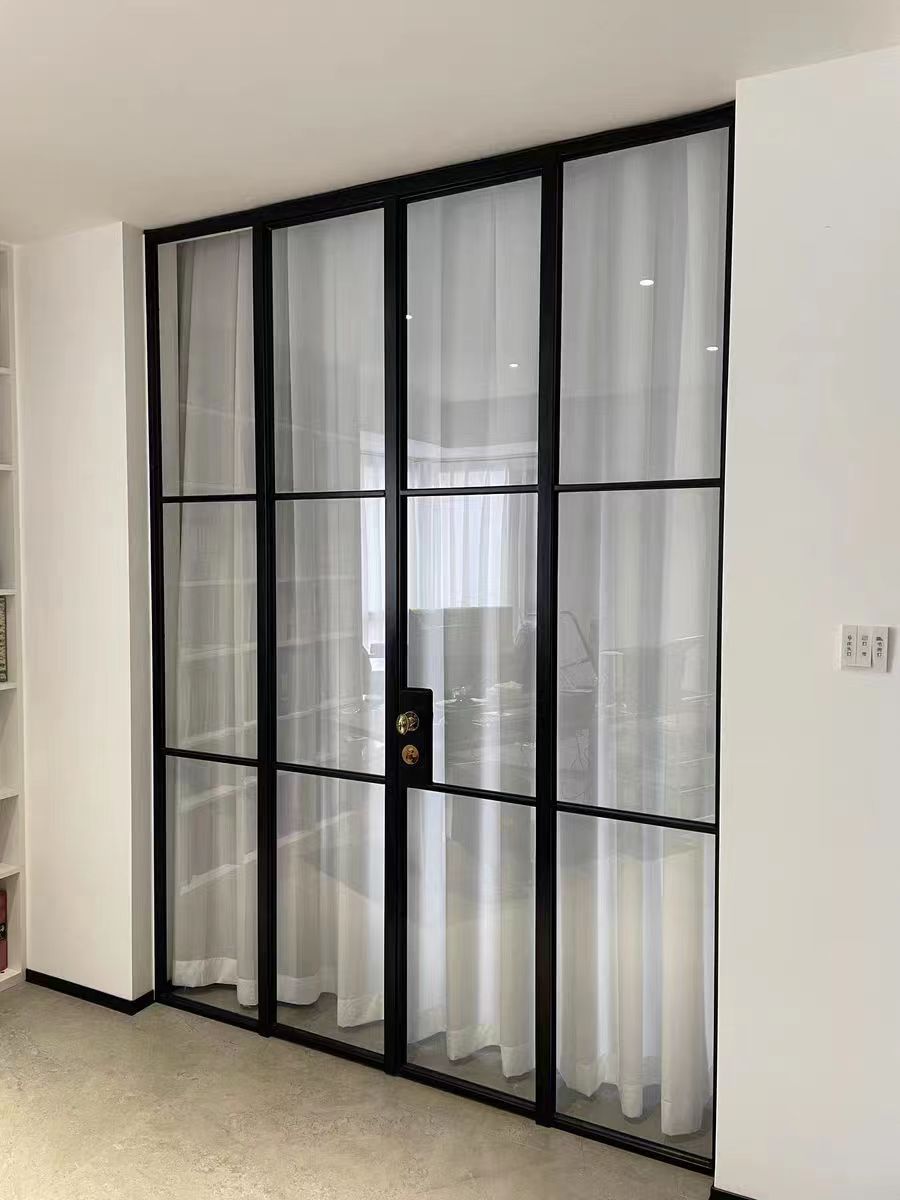
Modern building entrances demand more than aesthetic appeal. They require durability, security, and functional design that reflects organizational identity while protecting occupants and assets. A custom steel door stands as a transformative architectural element that addresses these critical needs. Steel doors have evolved from utilitarian barriers into sophisticated design components that integrate seamlessly with contemporary building aesthetics while delivering exceptional performance across commercial, hospitality, and institutional environments.
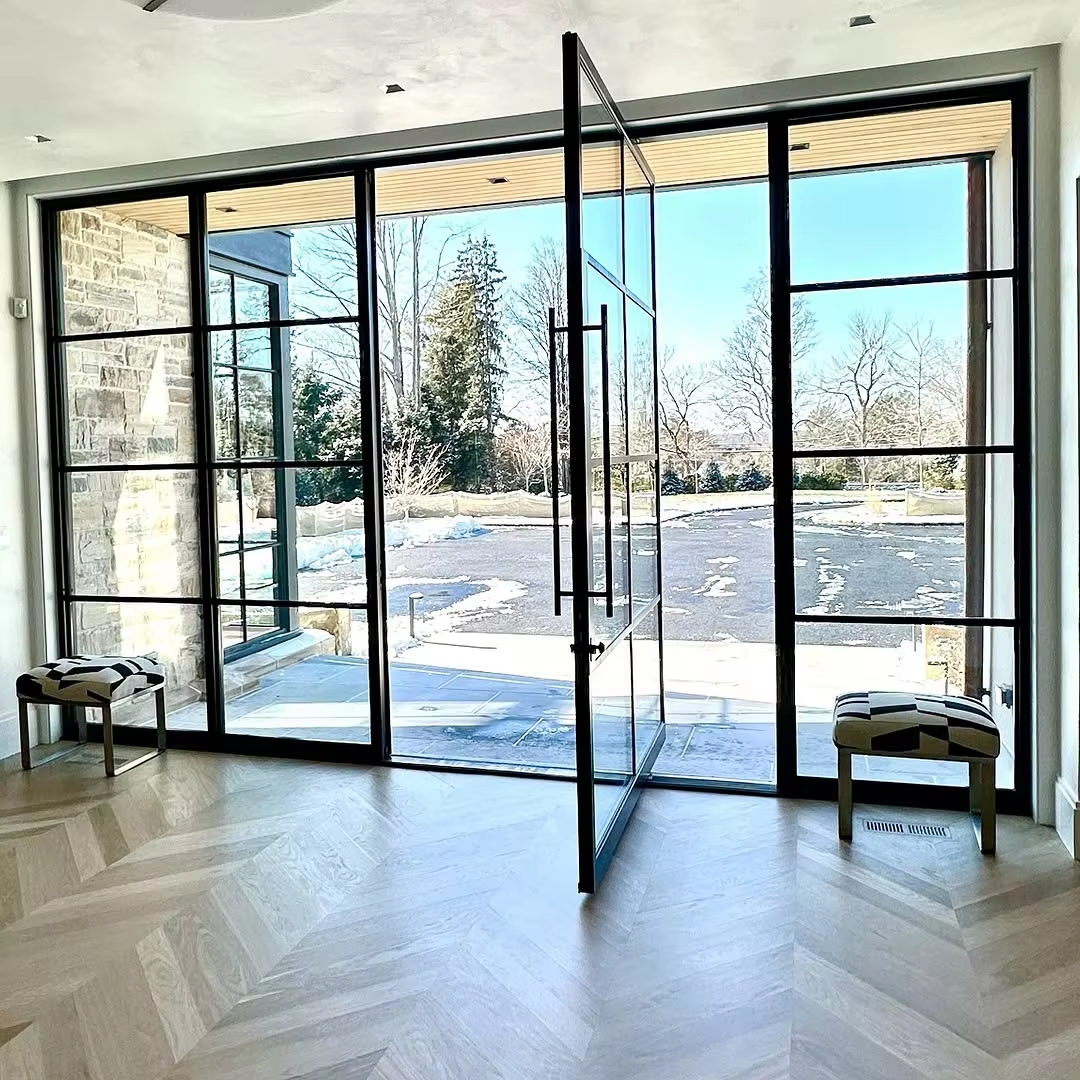
The entrance of any building serves as the first point of contact for visitors, clients, and employees. It communicates brand values, establishes security presence, and shapes initial impressions. Custom steel door solutions enable architects and facility managers to align entrance design with organizational objectives while meeting rigorous performance standards. Understanding how these doors enhance modern building entrances requires examining their technical capabilities, design flexibility, and integration with broader building systems.
Steel Door Security Features and Modern Building Protection
Security remains paramount in contemporary building design. Steel door security features provide layered protection that addresses both physical threats and environmental durability concerns. Advanced steel doors incorporate multiple security mechanisms including reinforced frames, heavy-gauge steel construction, and sophisticated locking systems. These features work together to create entrance barriers that resist forced entry, withstand vandalism, and maintain operational integrity over decades of use.
Security Technology Integration in Steel Doors
Modern steel door security features extend beyond traditional lock mechanisms. Contemporary designs accommodate electronic access control systems, biometric readers, and integrated alarm sensors. The steel construction provides the structural foundation necessary to support these technologies without compromising integrity. Steel doors can handle the stress of heavy-duty electronic systems while maintaining the reliable mechanical functionality that building managers depend on. This dual capability makes steel the preferred material for high-security commercial environments.
Fire resistance represents another critical security dimension. Steel doors naturally resist flame propagation and maintain structural stability during thermal events. This characteristic proves invaluable in buildings requiring enhanced life safety compliance. The combination of impact resistance, thermal protection, and controlled access capabilities makes steel door security features essential for facilities housing sensitive operations or serving vulnerable populations.
Design Flexibility Within Security Parameters
Steel door security features do not require aesthetic compromise. Custom designs allow engineers to incorporate full-glass panels, decorative finishes, and architectural detailing while maintaining security performance. The material's strength enables larger openings and more sophisticated design expressions compared to alternative materials. Building designers can specify custom configurations that satisfy security requirements and architectural vision simultaneously, creating entrances that enhance rather than diminish building aesthetics.
Industrial Steel Door Installation Requirements and Best Practices
Successful building entrance enhancement depends fundamentally on proper industrial steel door installation. The installation process directly impacts long-term performance, maintenance requirements, and occupant safety. Professional installation ensures that doors operate smoothly, seals prevent weather infiltration, and security features function as designed. Understanding installation requirements helps facility managers and building stakeholders appreciate the technical complexity underlying what appears as a simple entrance component.
Structural Preparation and Frame Installation
Industrial steel door installation begins with precise structural preparation. The opening must be inspected for square alignment, proper dimensions, and adequate structural support. Steel doors exert significant load on surrounding structures, particularly when installed in high-traffic areas where heavy use is anticipated. Installation teams must ensure that structural members can support the door weight plus operational stresses. Frame installation requires careful shimming and bracing to achieve perfect alignment before hanging the door leaf.
Proper sealing during industrial steel door installation prevents water infiltration, air leakage, and thermal bridging. Installers apply weatherstripping, sealants, and thermal breaks according to manufacturer specifications. These details seem minor but dramatically affect building energy efficiency and interior comfort. The installation team must understand regional climate conditions and building envelope strategies to specify appropriate sealing products that remain flexible and effective across temperature fluctuations.
Functional Testing and Commissioning
Industrial steel door installation concludes with comprehensive functional testing. Technicians verify smooth operation through full opening and closing cycles, test automatic closing devices if present, and confirm that all locking mechanisms engage securely. Electronic access systems require programming and integration testing with building management systems. This commissioning phase ensures that the completed installation meets specified performance standards before building occupancy. Proper documentation of installation procedures and system configurations supports long-term maintenance and troubleshooting.
Commercial Steel Door Customization for Architectural Excellence
Commercial steel door customization transforms entrance design possibilities. Architects and facility managers can specify doors that reflect brand identity, complement building materials, and achieve specific functional requirements. Customization options include frame profiles, surface finishes, glazing patterns, hardware selections, and integrated signage. This design flexibility enables steel doors to serve as architectural focal points rather than merely functional components.
Material Finishes and Surface Treatments
Commercial steel door customization extends to sophisticated material finishes. Powder coating technology provides durable, color-matched surfaces that integrate with building facades. Textured finishes can mimic wood or stone, creating visual warmth while retaining steel's performance characteristics. Patina finishes offer industrial aesthetic appeal suited to contemporary design movements. Galvanized finishes provide corrosion protection for coastal or high-moisture environments. Each finish option affects not only appearance but also maintenance requirements, longevity, and environmental performance.
Glazing and Transparency Options
Many commercial steel door customization specifications incorporate substantial glazing. Thermal-break framing allows large glass areas while maintaining energy efficiency. Designers can specify clear glass for transparency, tinted glass for privacy, or decorative patterned glass for visual interest. Laminated safety glass provides shatter resistance and sound dampening benefits. These glazing choices allow steel doors to create inviting, transparent building entrances while retaining security and performance capabilities. The integration of glazing with steel framing creates the sophisticated appearance expected in contemporary commercial architecture.
FAQ
How does a custom steel door improve energy efficiency in building entrances?
Custom steel door designs incorporate thermal breaks, weatherstripping, and insulated frames that minimize heat transfer between interior and exterior environments. Proper industrial steel door installation with quality sealing further reduces air infiltration. These features combine to provide energy performance comparable to or exceeding alternative materials. Buildings with well-designed steel entrance systems demonstrate measurable reductions in HVAC energy consumption, particularly in climates with significant temperature variations.
What maintenance is required for commercial steel door customization installations?
Regular maintenance of commercial steel door customization includes periodic cleaning, lubrication of hinges and locks, and inspection of weatherstripping integrity. Annual testing of electronic systems and access controls ensures reliable operation. Protective coatings should be evaluated every three to five years depending on environmental exposure. Rust prevention through proper finish selection during customization prevents long-term deterioration. Most steel doors require minimal maintenance compared to wood or alternative materials when properly installed and finished.
Can steel door security features accommodate modern accessibility requirements?
Yes, steel door security features can be fully integrated with accessibility standards. Automatic opening systems, low-effort closing mechanisms, and appropriate handle heights satisfy accessibility guidelines while maintaining security performance. Steel doors support the structural loads of automatic operators and accessible hardware more reliably than lighter materials. Professional industrial steel door installation ensures that security and accessibility requirements are met simultaneously without compromise to either objective.