 EN

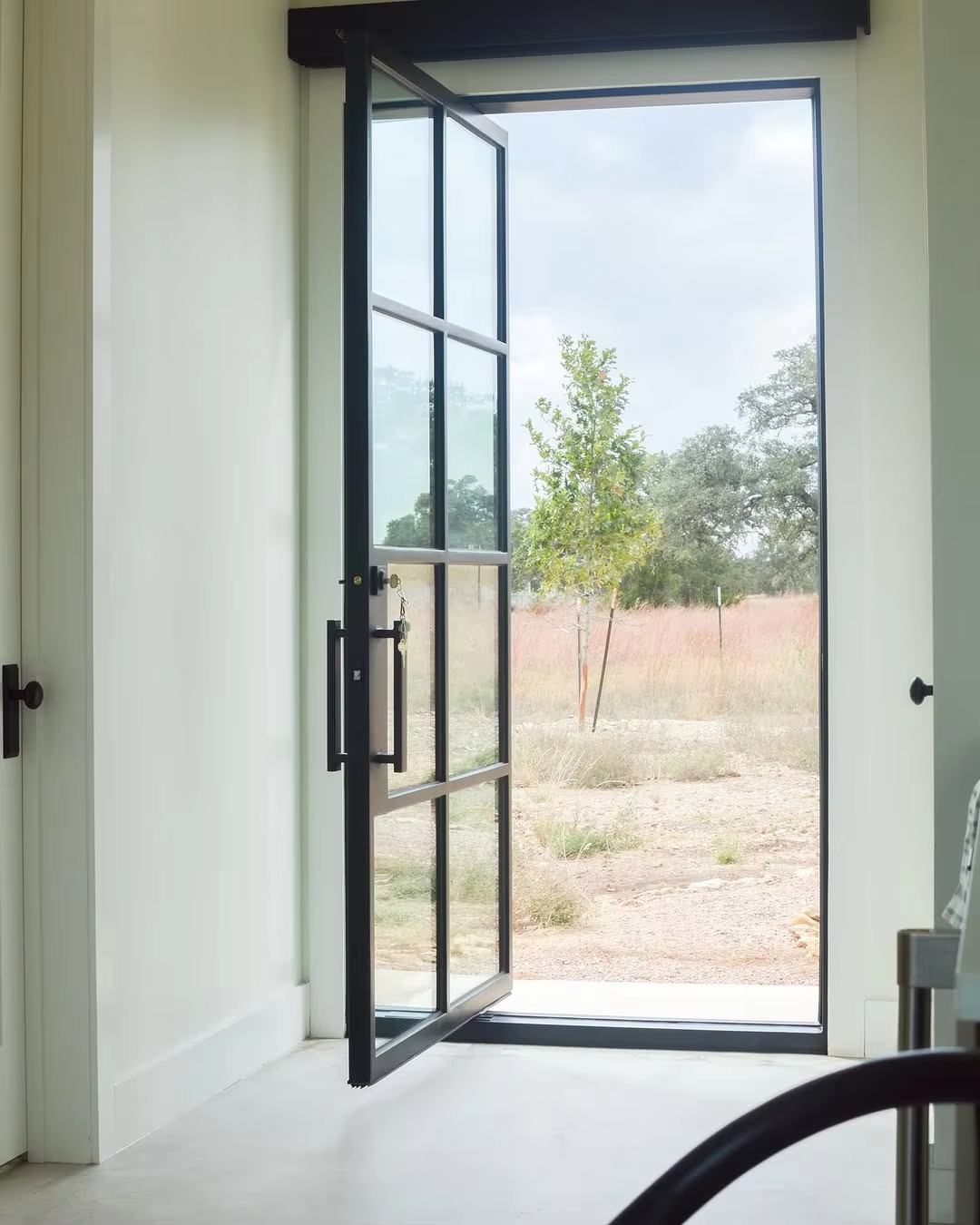
Ordering a custom steel door represents a significant investment in building security, durability, and aesthetic appeal. Before committing to any purchase, buyers must understand the critical production details that directly impact the performance, longevity, and compliance of their custom steel door solution. Skipping thorough verification at the production stage can result in costly delays, installation complications, misaligned specifications, or doors that fail to meet your facility's actual security requirements.
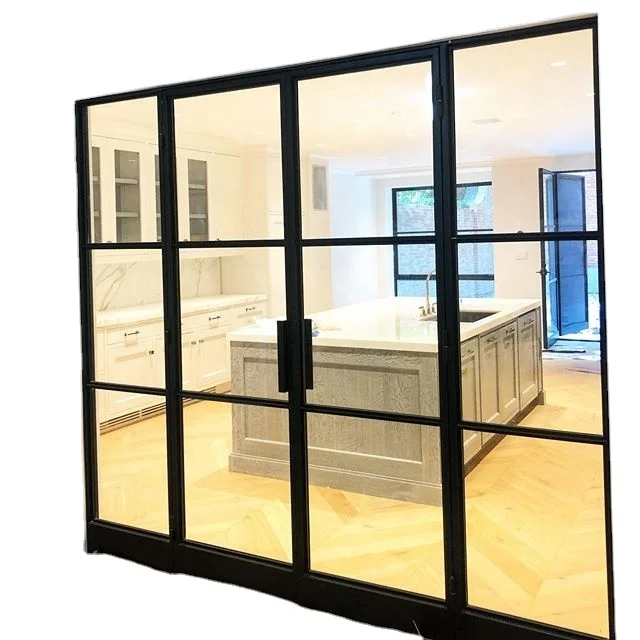
This guide walks you through the essential production details every buyer should confirm before placing an order. Whether you are sourcing a custom steel door for a warehouse, commercial facility, hotel, or industrial application, understanding material composition, manufacturing standards, steel door security features, and installation readiness will protect your investment and ensure seamless deployment.
Material Specifications and Steel Grade
Steel Quality and Thickness Standards
The foundation of any reliable custom steel door begins with verified material specifications. Confirm the exact steel grade, thickness, and composition with your manufacturer before production commences. Standard industrial steel door installation often requires minimum thickness ratings between 1.2 and 2.0 millimeters, depending on intended application and load requirements. Request detailed metallurgical documentation that certifies the steel grade, tensile strength, yield strength, and corrosion resistance properties specific to your custom steel door.
Buyers should insist on material test certificates from independent labs, not just manufacturer claims. These certificates verify that the steel meets relevant international standards such as ASTM, ISO, or EN specifications. Ask whether the steel undergoes surface treatment, galvanizing, powder coating, or other protective finishes that enhance durability and extend the lifespan of your custom steel door against environmental exposure and regular use.
Surface Treatment and Finishing Details
Before production begins, clarify the exact surface treatment protocol for your custom steel door. Commercial steel door customization options typically include hot-dip galvanizing, electrostatic powder coating, welded mesh reinforcement, or multi-layer composite finishes. Each treatment method affects corrosion resistance, maintenance requirements, aesthetic appearance, and long-term performance. Confirm whether finishes will be applied pre-assembly or post-assembly, as timing impacts quality control and installation readiness.
Request samples or specifications showing the color, gloss level, texture, and protective coating thickness planned for your door. Ask about warranty coverage for surface defects, peeling, or discoloration. Understand maintenance requirements after delivery, including cleaning protocols and re-coating intervals specific to your environment's humidity, salt exposure, or corrosive industrial conditions.
Steel Door Security Features and Hardware Integration
Locking Mechanisms and Access Control Compatibility
Steel door security features form the backbone of any industrial steel door installation strategy. Before ordering, confirm the locking mechanism type, whether mechanical, electronic, or hybrid. Verify that the custom steel door will accept your specified lock type—deadbolt, mortise lock, push-bar, keypad, RFID reader, or biometric system. Request detailed drawings showing lock placement, reinforcement plate specifications, and cut-out dimensions to ensure perfect alignment during installation.
Ask your manufacturer whether the custom steel door frame includes reinforced strike plates, anti-pry strike boxes, or other security enhancements. Discuss fire-rating compliance if your application requires UL-rated or EN-certified steel door security features. Confirm that hardware supplier compatibility has been verified, and obtain written confirmation that the manufacturer will conduct pre-delivery testing of all locking systems and access control interfaces.
Frame Reinforcement and Structural Integrity
The frame structure of a custom steel door determines its resistance to forced entry, impact damage, and environmental stress. Confirm whether the frame uses welded, bolted, or hybrid assembly methods. Ask for welding specifications, quality assurance testing procedures, and documentation proving that all welds meet AWS (American Welding Society) standards or equivalent industrial certification. Request X-ray or ultrasonic testing results for critical weld joints in the custom steel door frame.
Verify that corner reinforcement, hinge mounting points, and lock strike areas include additional steel bracing or backing plates to resist shear forces and impact. For industrial steel door installation in high-traffic or security-critical environments, request impact resistance testing data and certification that the door meets industry standards for forced entry resistance, such as UL 752 or equivalent ratings.
Customization Options and Installation Readiness
Commercial Steel Door Customization Options
Modern commercial steel door customization options allow buyers to tailor doors to specific operational and aesthetic requirements. Before ordering your custom steel door, document every customization detail in writing with the manufacturer. Include specifications for door width, height, thickness, hinge quantity and placement, window cutouts, ventilation grilles, vision panels, glazing type, and finish color. Request CAD drawings or 3D renderings showing exactly how the custom steel door will appear and function within your installation environment.
Ask whether commercial steel door customization options include integrated weather stripping, acoustic sealing, thermal insulation, or anti-corrosion coatings. Clarify lead times for non-standard configurations and confirm that the manufacturer will provide test fits or mock-ups before final production. Verify that all customizations have been independently verified to maintain structural integrity, security ratings, and compliance with applicable building codes.
Delivery and Installation Preparation
Confirm packaging, shipping protection, and delivery scheduling for your custom steel door well before production ends. Request that the manufacturer provide assembly drawings, installation manuals, and hardware mounting diagrams in your preferred language. Verify whether the custom steel door arrives pre-assembled or requires on-site assembly, and understand whether the manufacturer offers installation support or site supervision during deployment.
Ask about quality inspection procedures before shipment and whether the custom steel door undergoes final testing of all locking systems, latching mechanisms, and access features. Confirm that documentation includes certifications, warranty information, maintenance instructions, and contact details for technical support after installation. Request clarity on damage claims procedures and return policies in case the custom steel door arrives with manufacturing defects.
FAQ
What steel door security features should industrial facilities prioritize during production verification?
Industrial facilities should prioritize reinforced frame construction, anti-pry hardware, high-security locking mechanisms compatible with access control systems, and UL or EN-rated security certifications. Confirm that welding quality meets AWS standards, strike plates are reinforced, and hinges are tamper-resistant. Request third-party testing documentation proving impact resistance and forced-entry resistance ratings before placing your order.
How does commercial steel door customization impact production timelines and quality control?
Commercial steel door customization typically extends production lead times by 4–12 weeks depending on complexity. Complex customizations require additional design verification, test fits, and quality checkpoints. Before ordering, confirm the exact production schedule, inspection frequency, and approval gates with your manufacturer. Request written timelines and penalty clauses for delays to protect your project schedule.
Why is industrial steel door installation documentation critical before ordering a custom steel door?
Complete installation documentation ensures proper on-site assembly, alignment, hardware integration, and compliance verification. Quality documentation prevents costly field modifications, delays, and safety risks. Before production starts, request CAD drawings, weld specifications, hardware placement diagrams, and step-by-step assembly procedures. This documentation protects your project timeline and ensures that your custom steel door performs as specified.
Table of Contents
- Material Specifications and Steel Grade
- Steel Door Security Features and Hardware Integration
- Customization Options and Installation Readiness
-
FAQ
- What steel door security features should industrial facilities prioritize during production verification?
- How does commercial steel door customization impact production timelines and quality control?
- Why is industrial steel door installation documentation critical before ordering a custom steel door?