 EN

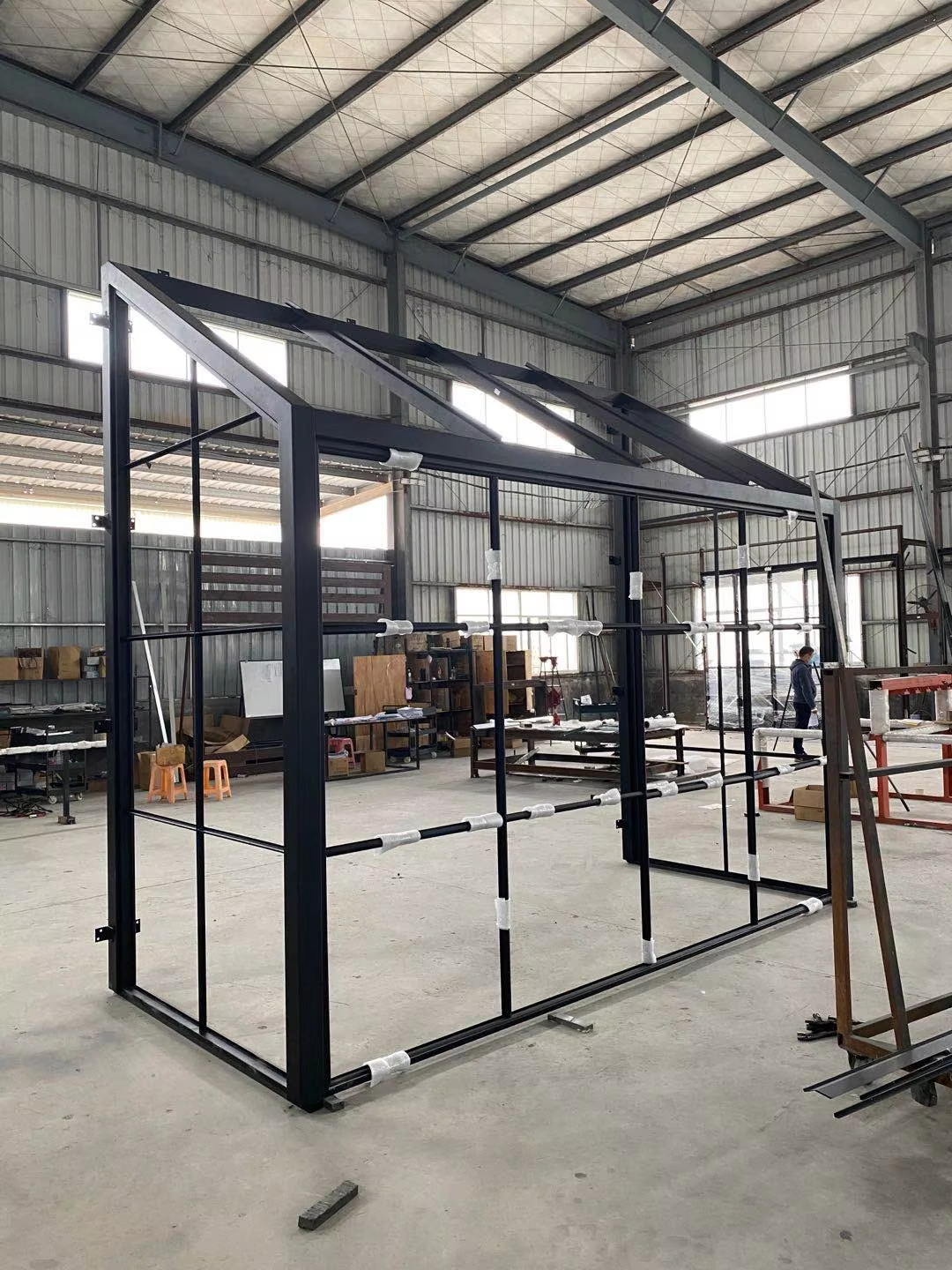
Factory steel windows can improve modern building aesthetics by bringing slim profiles, clear sightlines, and a purposeful industrial character to a facade. Their value is not simply that steel looks distinctive: frame proportions, glazing, opening patterns, and placement all influence how a building relates to its surroundings. Thoughtful design helps industrial steel window frames feel coherent in contemporary offices, adaptive reuse projects, and mixed-use buildings.
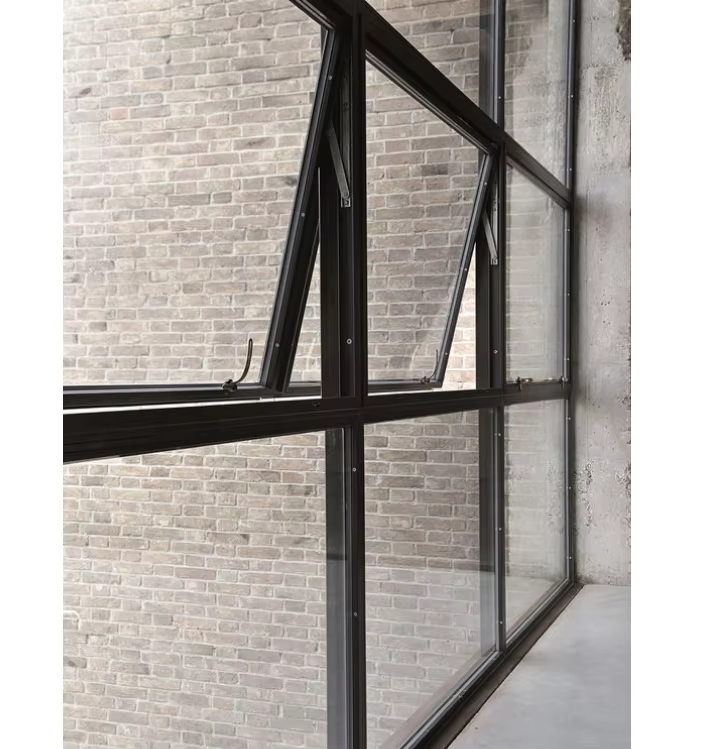
The strongest results come from treating the window as part of the architectural composition rather than as a decorative add-on. Factory steel windows can establish a measured rhythm across a facade, connect interior work areas to daylight, and create contrast against brick, concrete, timber, or metal cladding. Early coordination with commercial steel window installation teams and a realistic plan for steel window maintenance and durability help preserve that design intent over time.
How steel windows shape a modern facade
Slim profiles create visual clarity
A narrow frame can make glazing feel expansive without requiring the surrounding wall to disappear. This balance is useful when a project needs daylight and views but also calls for a strong, structured exterior. Well-proportioned industrial steel window frames define each opening with precision, giving a large elevation a finer visual scale than a broad, uninterrupted glass surface.
That clarity depends on sizing and repetition. Designers can align mullions with floor lines, room divisions, or adjacent facade elements so the windows reinforce the building grid. Factory steel windows are especially effective when their divisions respond to the architecture instead of appearing arbitrary. The outcome feels deliberate, whether the elevation is newly constructed or part of a carefully updated industrial building.
Material contrast adds character
Steel frames offer a crisp edge that can complement rough or textured materials. Against masonry, the contrast can emphasize depth; beside smooth panels, it can introduce a finer pattern. Choosing a finish and frame color that relate to nearby materials helps industrial steel window frames contribute to a unified exterior rather than compete with it.
The same design logic applies inside. Dark or muted frames can outline views and provide a visual transition between interior finishes and the facade. Factory steel windows may also help retain the character of a renovated warehouse while supporting a more contemporary use. In each case, the goal is a considered relationship among frame, glass, wall, and interior—not a style applied without regard to context.
How to plan windows for design and use
Match the opening pattern to the building
Before specifying units, establish what each opening needs to do. Fixed glazing can preserve uninterrupted views, while operable sections can support ventilation where the project and building systems allow. A consistent pattern gives a facade order, but selective changes can mark entrances, shared spaces, or key interior functions. Industrial steel window frames should be coordinated with these priorities from the early design stage.
Commercial steel window installation works best when dimensions, wall conditions, drainage, and surrounding finishes are coordinated before fabrication and site work. Review how frames meet the sill and head, how joints are sealed, and how the window aligns with interior trim. These details affect the finished appearance as much as the visible frame. Factory steel windows should be assessed in the context of the complete opening, not as isolated products.
Balance daylight, privacy, and operation
A visually striking window still needs to support the room behind it. Consider sun exposure, sightlines from neighboring buildings, the location of workstations, and the need for privacy. The proportion of transparent to opaque glazing can be adjusted to suit those conditions. Thoughtful industrial steel window frames help maintain a clean exterior pattern while accommodating practical room requirements.
Opening choices also influence how occupants experience the space. Operators may be appropriate in selected areas, while fixed panels can suit locations where ventilation is handled by other systems. Confirm clearances and hardware access so the design remains usable after furniture and equipment are installed. During commercial steel window installation, checking these relationships on site can prevent visual inconsistencies and avoid conflicts between the frame and adjacent building elements.
How to protect appearance through service life
Specify details for the project environment
Aesthetic decisions should account for exposure, cleaning access, expected use, and the building envelope. Ask the project team to review finish requirements, glazing choices, drainage paths, and interfaces with adjacent materials. These considerations make steel window maintenance and durability part of design development, rather than a concern postponed until after occupancy.
Clear documentation also supports consistent results. Drawings should show frame dimensions, junctions, opening types, and finish intent, while installation planning should identify tolerances and sequencing with nearby trades. Industrial steel window frames can look uneven if openings vary or trim conceals different conditions inconsistently. Careful coordination helps preserve the intended visual rhythm from one elevation to another.
Build a practical care routine
Long-term appearance depends on routine inspection and appropriate care for the installed system. Building teams should follow project-specific guidance for cleaning glass and finishes, checking seals, and identifying damage or water entry. Steel window maintenance and durability are closely connected: noticing a problem early gives the facilities team a chance to investigate before it affects surrounding materials or the visual quality of the opening.
Maintenance planning should reflect actual exposure and building use rather than assume every facade ages in the same way. Inspect accessible areas after severe weather and during scheduled envelope reviews, and record repairs so recurring issues are visible. Factory steel windows can retain a composed appearance when cleaning methods suit the finish and repairs respect the original detailing. A defined service process also helps owners plan labor and access without making unsupported assumptions about lifespan.
For renovations, begin with a condition assessment before deciding whether to retain, repair, or replace existing units. Compare the architectural contribution of the current openings with their operational needs and envelope condition. Commercial steel window installation may call for careful sequencing in occupied buildings, particularly where access, dust control, or interior protection matters. Integrating these practical measures helps the completed facade look intentional and supports responsible stewardship of the building.
FAQ
What makes factory steel windows visually distinctive?
Their slim, defined profiles can create precise glazing patterns and clear sightlines. The effect depends on how industrial steel window frames relate to the wall material, opening rhythm, and interior layout, so proportion and coordination matter as much as the material itself.
When should commercial steel window installation be planned?
Plan it during design development, before opening dimensions and facade interfaces are finalized. Early coordination helps align frame details, finishes, glazing, and installation sequencing. It also gives the team time to resolve how the windows connect with adjacent trades and interior finishes.
How can owners maintain the intended appearance?
Use project-specific cleaning and inspection guidance, document repairs, and investigate changes such as damaged finishes or signs of water entry. A practical approach to steel window maintenance and durability helps protect both the visible frame and nearby building materials.