 EN

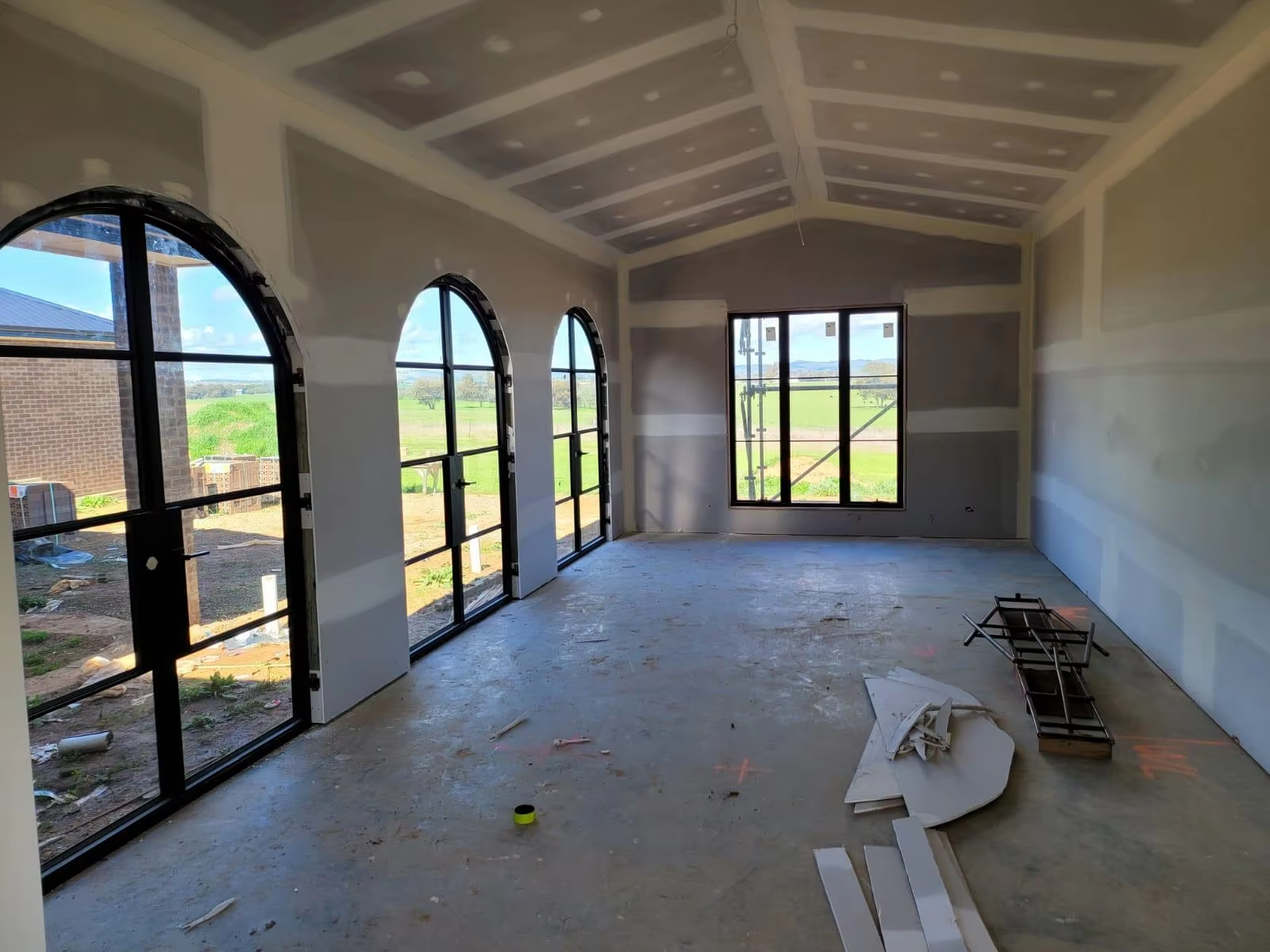
When evaluating factory steel windows, buyers should look beyond the frame material and compare the complete thermal system: frame design, glazing, seals, drainage, and installation details. Each factor affects heat transfer, condensation risk, and the ability of the opening to perform consistently in a working building. A specification is useful only when it reflects the site climate and operating conditions.
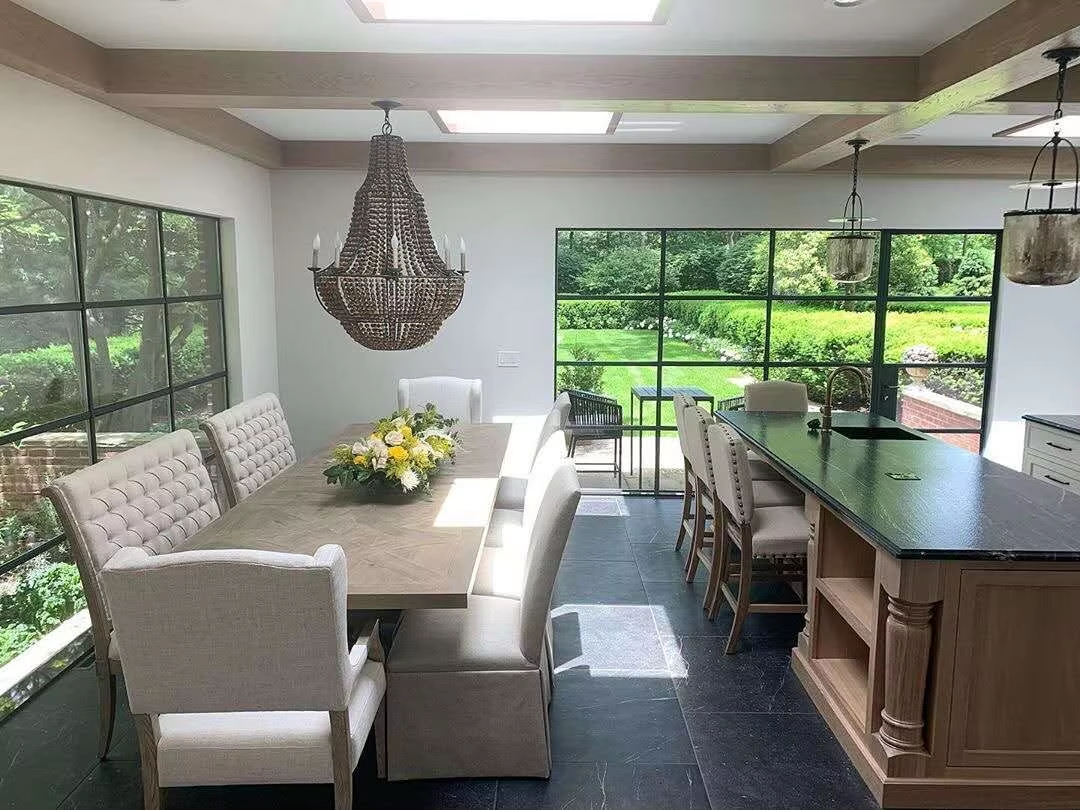
A sound review connects the product data to the actual wall assembly, interior humidity, and maintenance plan. Buyers can use industrial window frames durability as a prompt to examine long-term condition, steel casement windows thermal performance to assess heat flow, and warehouse steel windows corrosion resistance to judge exposure risks. Together, these checks help clarify whether a proposed unit fits the project rather than relying on appearance alone.
Core thermal factors in the window assembly
Frame construction and thermal breaks
Steel is strong and allows slender profiles, but an uninterrupted metal section can conduct heat between indoor and outdoor faces. Ask whether the design separates those faces with a thermal break, and request data for the full window rather than a frame-only claim. This distinction matters when reviewing industrial window frames durability because connections and break materials must also tolerate repeated temperature changes.
For steel casement windows thermal performance, check the frame configuration, sash overlap, and meeting rails as a combined path for heat transfer. A thermal break can limit conduction, but its width, placement, and continuity affect the result. Buyers should confirm that the tested configuration matches the proposed size and opening style, including any fixed panels, operable sashes, or integrated screens.
Glazing and edge details
Glass selection has a major influence on comfort near the opening. Compare the specified glazing build-up, coatings, gas fill where applicable, and spacer design, then ask for whole-window thermal values rather than glass-center values alone. Those details help interpret steel casement windows thermal performance under the conditions that the project is likely to experience.
The glass edge and its connection to the sash deserve close attention because a strong center-of-glass result does not remove losses around the perimeter. Review seals, glazing beads, and drainage paths, and establish how replacement glass will be fitted later. Industrial window frames durability depends partly on whether these interfaces remain stable without trapping water or compromising the thermal boundary.
Performance data buyers should verify
Comparable test results and ratings
Request documented thermal results for the complete unit and confirm the measurement method, specimen dimensions, and operating configuration. A small fixed sample may not represent a larger opening with multiple joints. When comparing steel casement windows thermal performance, use consistent test conditions and clarify whether values describe the glass, frame, or complete assembly.
Ask the project team to relate reported values to local energy requirements and the intended indoor set points. A lower heat-transfer value may support reduced heating or cooling demand, but actual outcomes also depend on orientation, shading, air leakage, and control systems. This context keeps thermal comparisons practical and helps avoid treating one rating as a guarantee of building-wide energy use.
Air leakage and water management belong in the same review as thermal data. Poorly controlled drafts can undermine comfort, while water entering joints can damage finishes or affect insulation nearby. Buyers reviewing warehouse steel windows corrosion resistance should ask how drainage openings, gaskets, and exposed hardware are designed for the site’s moisture and cleaning conditions.
Check that the proposed assembly’s documentation covers the exact configuration being purchased, including mullions, hardware, and opening limits. If a performance value comes from a different arrangement, ask what changes are expected in the project version. Clear records make it easier for designers, contractors, and facility teams to share responsibility for meeting the specification.
Condensation risk and indoor conditions
Condensation can occur when an interior surface falls below the dew point of room air. Kitchens, process areas, washdown zones, and densely occupied spaces may have elevated humidity, so buyers should consider operating conditions rather than relying on a generic climate assumption. Frame surface temperatures, glazing edges, and indoor ventilation all contribute to the risk.
Ask whether thermal calculations or project-specific reviews are available for the expected indoor temperature and humidity range. This is especially useful when steel casement windows thermal performance is being assessed for spaces with intermittent heating or high moisture loads. A robust design review can identify vulnerable edges and guide decisions on glazing, seals, and ventilation before installation.
Durability, installation, and project fit
Exposure, coatings, and maintenance
Thermal performance must hold up in the intended environment. Industrial sites may expose windows to humidity, airborne contaminants, cleaning chemicals, or frequent temperature cycling. For warehouse steel windows corrosion resistance, ask about protective finishes, treatment of cut edges, hardware materials, and maintenance instructions. Suitability depends on the actual exposure and care routine, not simply on a general material description.
Industrial window frames durability also depends on sound detailing at corners, fasteners, and connections between dissimilar materials. Confirm which surfaces receive protection and how repairs should be handled if a coating is scratched during transport or construction. A maintenance plan should identify inspection intervals and cleaning methods that preserve finishes without harming seals or glazing components.
Installation details and acceptance checks
Even a well-designed unit can underperform if it is installed out of square, inadequately sealed, or connected poorly to the wall’s insulation and air barrier. Review the interface drawings, anchoring approach, perimeter sealant, and sequence for closing the opening. These details help maintain the intended thermal boundary and reduce gaps that can cause drafts or localized condensation.
Before approval, establish what will be inspected on delivery and after installation. Check dimensions, glazing identification, frame condition, hardware operation, and continuity of perimeter seals. For factory steel windows, clear acceptance criteria make it easier to identify damage or deviations while correction remains practical. Keep test documentation and installation records with the building’s maintenance information.
Specification decisions by project condition
A conditioned production space may prioritize limiting heat transfer and drafts, while an unconditioned storage building may place greater weight on exposure and service life. Warehouse steel windows corrosion resistance becomes particularly relevant near washdown operations or damp storage. Match the specification to real operating demands, including indoor humidity, expected cleaning, and the consequences of a maintenance interruption.
Use the review to resolve trade-offs rather than seek one universal feature. A larger glazed area can support daylight but changes heat flow and solar exposure; a more complex opening may aid ventilation but adds joints and hardware. Compare complete configurations, confirm their data, and record why the selected assembly fits the building’s energy, safety, and upkeep requirements.
FAQ
Which thermal value should buyers request?
Request a documented whole-window value for the actual size and configuration, and check the test method and conditions. Steel casement windows thermal performance should not be judged solely from glass-center data because frame edges and operable joints also affect heat transfer.
Does a thermal break remove condensation risk?
No. A thermal break can reduce conduction through metal, but glazing edges, air leakage, humidity, and installation still matter. Industrial window frames durability and thermal behavior should be reviewed together, with project conditions informing any condensation assessment.
What should be checked in a damp warehouse?
Confirm protective finishes, drainage, hardware suitability, and a workable inspection plan for the specific exposure. Warehouse steel windows corrosion resistance is not a substitute for correct installation and maintenance, so document cleaning methods and how coating damage should be repaired.