 EN

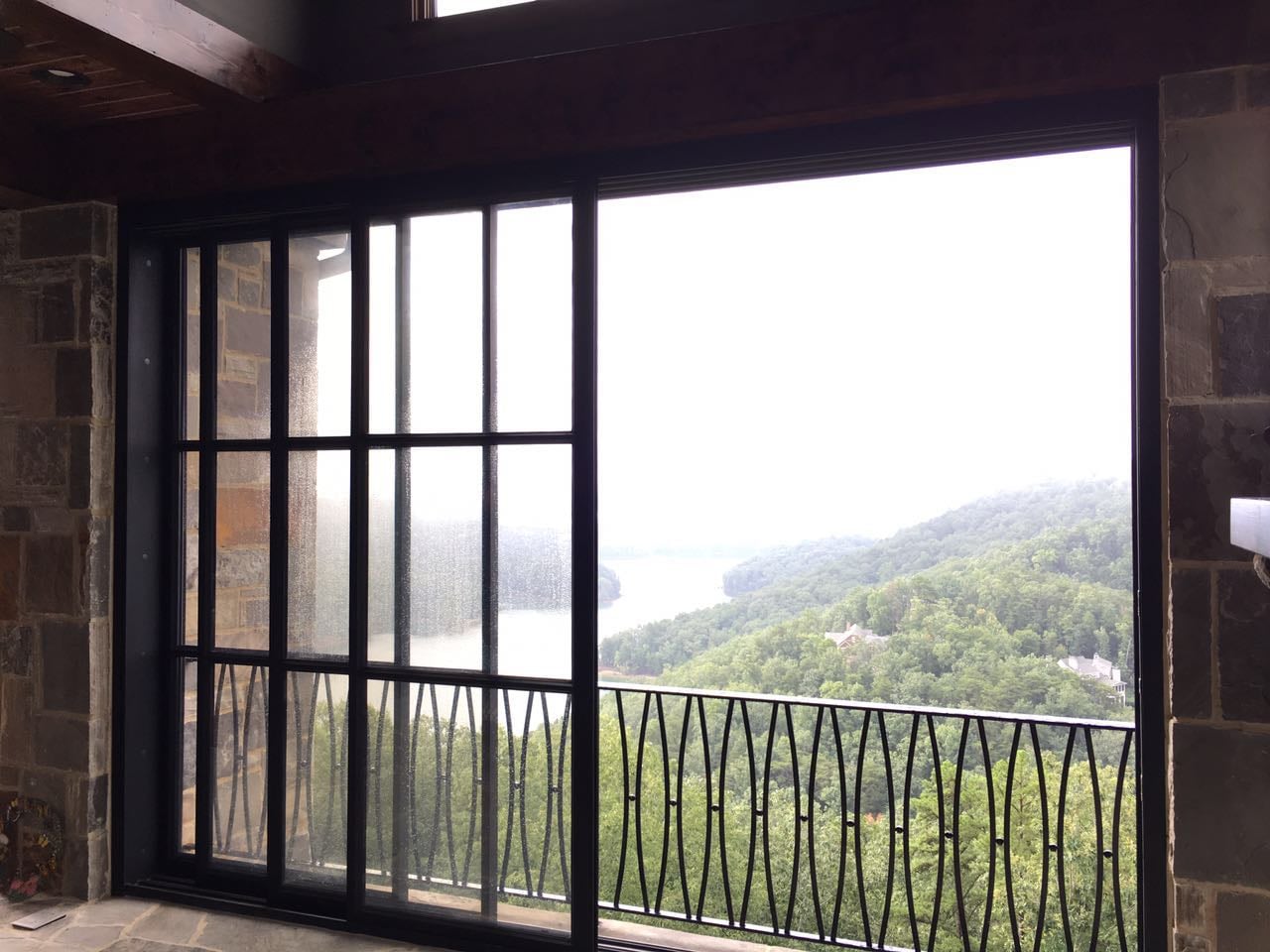
A mild steel window frame represents a compelling solution for architects and builders seeking to bridge the gap between classic aesthetics and contemporary performance standards. Whether you are designing a heritage restoration project or a cutting-edge residential building, mild steel window frames offer remarkable versatility, structural integrity, and visual appeal. This material has demonstrated its value across decades of architectural practice, adapting seamlessly to both period-appropriate designs and modern minimalist styles.
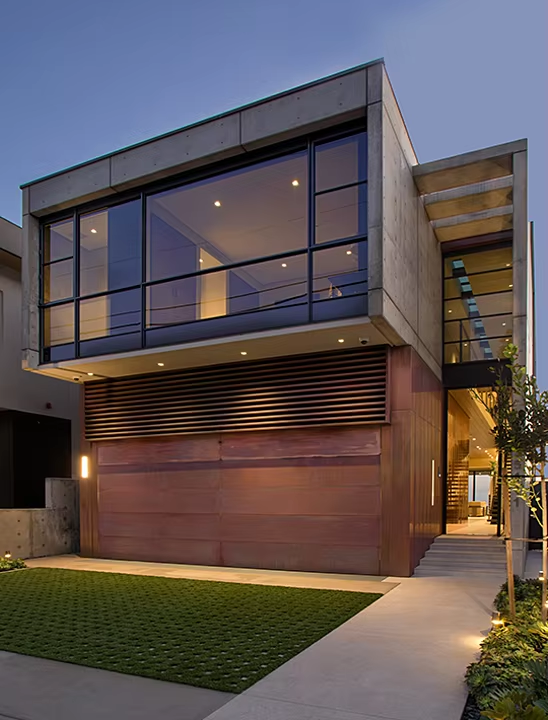
The growing interest in mild steel window frame selection reflects a deeper architectural trend toward authentic materials that deliver both performance and character. Builders recognize that mild steel window frame durability and rust prevention capabilities, combined with its aesthetic flexibility, make it an economically rational choice for diverse project types. Understanding how mild steel window frames function within traditional and modern design contexts enables informed material selection that balances functional requirements with visual intent.
Aesthetic Versatility Across Design Periods
Traditional Design Integration
Mild steel window frames naturally complement heritage and traditional architectural vocabularies. The material's inherent qualities—slender profiles, clean lines, and authentic patina development—align with period design principles. In Victorian, Arts and Crafts, and industrial-era buildings, mild steel window frame systems provide historically appropriate details that modern synthetic materials cannot authentically replicate. Restoration architects frequently specify mild steel window frames because the material carries visual weight and material honesty that period photographs and original construction documents demand.
The craft tradition associated with mild steel window frame fabrication connects contemporary installations to established building practices. Artisan detailing, hand-finished connections, and custom profiles demonstrate respect for original design intent while incorporating modest performance improvements. Affordable window frame materials for residential construction in traditional settings include mild steel precisely because it delivers heritage authenticity without requiring costly specialty materials or elaborate structural interventions.
Contemporary Design Expression
Modern architectural practice has rediscovered mild steel window frames as a primary material for minimalist and industrial aesthetic strategies. The slender frame-to-glass ratio, crisp geometric possibilities, and reflective surface qualities suit contemporary design languages that emphasize openness, light, and structural clarity. Unlike heavier aluminum or bulkier vinyl systems, mild steel window frame profiles can achieve the refined proportions that contemporary architecture demands while maintaining superior structural performance in large-scale installations.
Progressive residential and commercial projects employ mild steel window frame systems to express material authenticity and design directness. The material's visual presence—whether powder-coated for color emphasis or left to develop its natural weathered character—satisfies contemporary clients who value honest construction and durable aesthetics over trendy finishes that deteriorate within years.
Performance and Durability Characteristics
Mild Steel Window Frame Durability and Rust Prevention
Mild steel window frame durability and rust prevention represent foundational performance factors that justify material selection across climate zones and building types. Modern protective systems—including hot-dip galvanizing, epoxy primers, and multi-layer powder coatings—extend mild steel window frame service life well beyond 40 years in most residential environments. The material's inherent strength-to-weight ratio enables slender profiles that resist deflection and maintain operational integrity under thermal cycling, wind loads, and operational stress.
Understanding mild steel window frame installation and maintenance guide protocols ensures that protective coatings perform as designed. Proper surface preparation, application sequencing, and ongoing inspection prevent moisture infiltration at connection details. When installed correctly, mild steel window frames demonstrate rust resistance comparable to stainless steel systems at a fraction of material cost, making affordable window frame materials for residential construction economically accessible without performance compromise.
Structural and Thermal Performance
Mild steel window frame systems provide structural capacity superior to many alternative materials, enabling larger unsupported glass areas and more ambitious geometric configurations. The material's thermal conductivity, historically a limitation, has been addressed through thermally broken frame designs that incorporate thermal barriers within the profile. Modern mild steel window frame installation and maintenance guide specifications often include thermal breaks that improve thermal resistance while preserving the material's visual and structural properties.
Operational performance—smooth sash movement, weathertight assembly, and hardware durability—depends substantially on proper mild steel window frame installation and maintenance guide adherence. Quality fabrication tolerances, precise glazing procedures, and compatible hardware selection ensure that thermal expansion and contraction cycles do not compromise performance. Residential construction projects that prioritize long-term value consistently specify mild steel window frames because maintenance requirements remain minimal when installation standards are met.
Material Value and Selection Criteria
Economic Rationality in Material Selection
Affordable window frame materials for residential construction encompass mild steel options that deliver superior performance-to-cost ratios compared to premium alternatives. The material's fabrication efficiency, widespread supplier availability, and compatibility with standard architectural detailing reduce specification complexity and installation time. Projects seeking cost-effective window solutions without aesthetic or performance compromise increasingly specify mild steel window frames as the primary material strategy.
Life-cycle cost analysis consistently demonstrates that mild steel window frame systems provide excellent value when total ownership costs—including installation, maintenance, and replacement cycles—are evaluated across building lifespans. Unlike some budget alternatives that require replacement or substantial refurbishment within 15–20 years, properly maintained mild steel window frames continue delivering performance for 50+ years, distributing costs across extended service periods and enhancing overall project value.
Design Flexibility and Project Adaptation
The fabrication malleability of mild steel enables custom profiles, non-standard dimensions, and integrated hardware solutions that would prove prohibitively expensive in other materials. Architects designing complex fenestration strategies or distinctive aesthetic expressions frequently specify mild steel window frame systems because customization costs remain reasonable relative to premium alternatives. This flexibility makes affordable window frame materials for residential construction particularly valuable in heritage restoration, where window dimensions and detail profiles must match documented originals precisely.
Material selection for specific project contexts depends on understanding mild steel window frame durability and rust prevention capabilities within local climate conditions. Coastal environments, industrial areas, and regions with extreme temperature fluctuations each present distinct durability challenges that influence protective system specification and maintenance protocols. Professional design guidance ensures that protective strategies appropriately address local environmental conditions while optimizing cost and aesthetic performance.
FAQ
What protective coatings are recommended for mild steel window frames in coastal environments?
In coastal regions where salt spray and moisture exposure are elevated, hot-dip galvanizing combined with high-performance polyurethane or polyester topcoats provides optimal mild steel window frame durability and rust prevention. The initial galvanized layer sacrifices preferentially to protect underlying steel, while topcoat systems prevent chalk, color fade, and accelerated corrosion. Annual inspection and minor maintenance ensure that coating integrity remains intact throughout the service life.
How does mild steel window frame installation affect long-term performance and maintenance requirements?
Proper mild steel window frame installation and maintenance guide adherence is critical for preventing moisture infiltration at connection details and ensuring weathertight assembly. Expert installation includes careful sealant application, thermal break positioning, and drainage plane configuration that prevent water intrusion. Projects with correct installation procedures require minimal maintenance beyond periodic coating inspection and minor touch-up work, making affordable window frame materials for residential construction operationally economical throughout their service lives.
Can mild steel window frames achieve the slender profile appearance demanded by contemporary minimalist design?
Yes, mild steel window frame systems excel in contemporary design contexts precisely because the material enables slender, refined profiles that maximize glass area and minimize frame visual weight. Thermally broken mild steel window frame designs achieve both aesthetic refinement and thermal performance standards required by modern building codes. The material's strength characteristics allow architects to approach the minimal frame-to-glass ratios that define contemporary minimalist aesthetics while maintaining structural and operational integrity.
Table of Contents
- Aesthetic Versatility Across Design Periods
- Performance and Durability Characteristics
- Material Value and Selection Criteria
-
FAQ
- What protective coatings are recommended for mild steel window frames in coastal environments?
- How does mild steel window frame installation affect long-term performance and maintenance requirements?
- Can mild steel window frames achieve the slender profile appearance demanded by contemporary minimalist design?