 EN

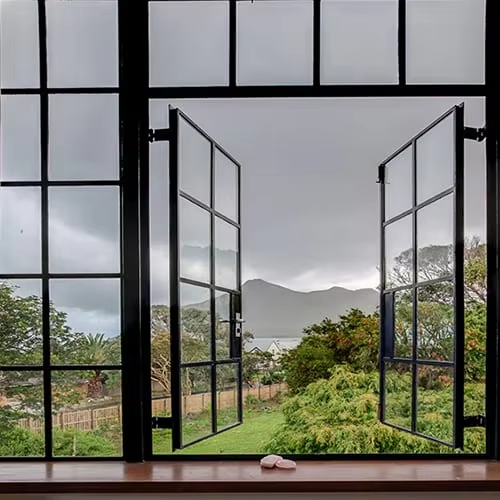
Selecting the right glass for your mild steel window frame installation requires understanding how glass performance interacts with steel structure, climate exposure, and long-term maintenance demands. The glass you choose directly affects thermal efficiency, safety, durability, and the overall aesthetic appeal of your project. Unlike aluminum or vinyl frames, mild steel presents unique thermal and structural characteristics that demand careful glass selection to maximize performance and minimize operational costs over the building lifecycle.
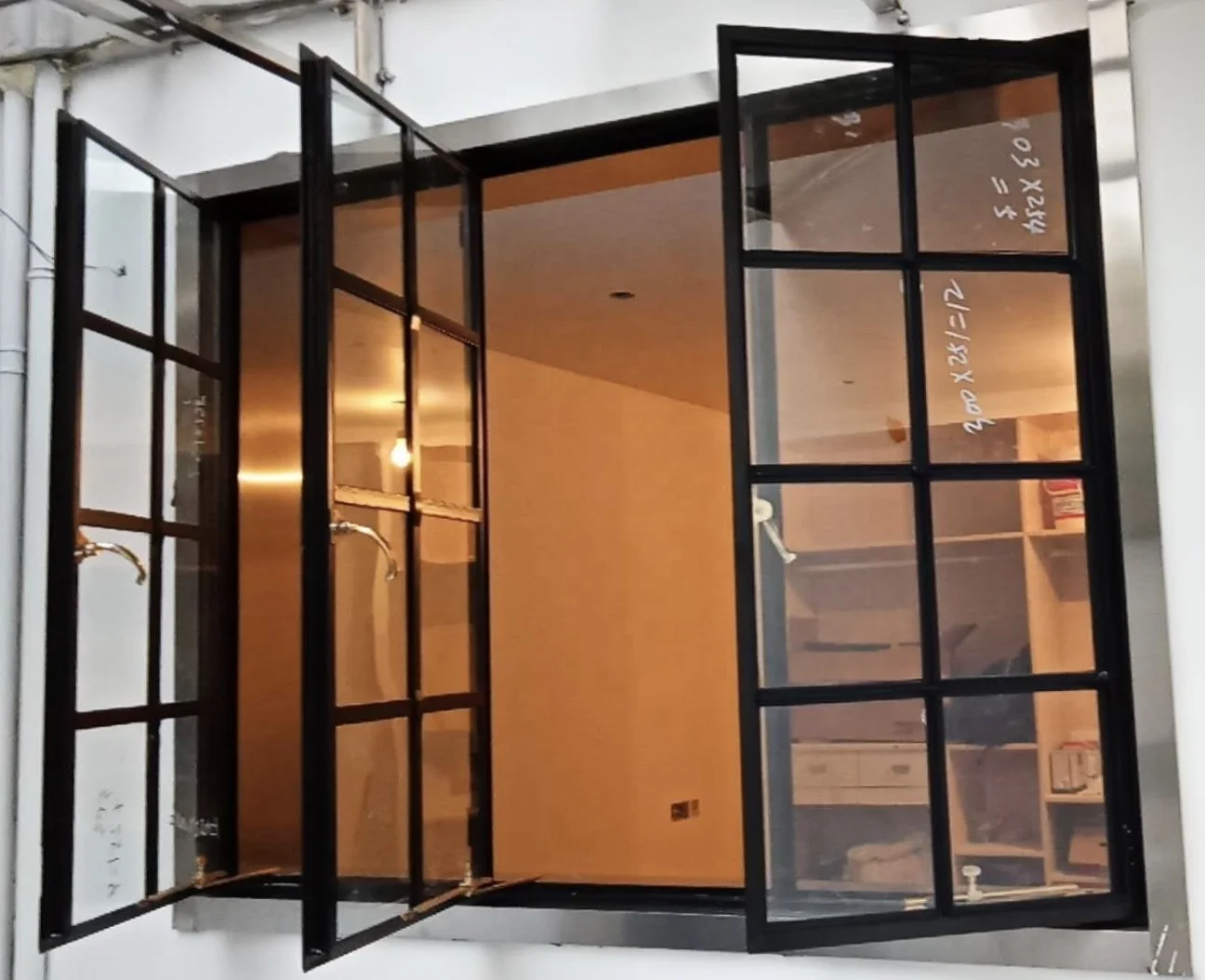
This guide examines the practical glass options available for mild steel window frame installations, including single-pane, double-glazed, and triple-glazed configurations. We address how each option performs in terms of insulation, condensation resistance, sound reduction, and cost-effectiveness. Whether you are planning a retrofit, new construction, or industrial facility upgrade, understanding the relationship between your mild steel window frame rust prevention and maintenance needs and glass performance will help you make an informed investment decision that balances upfront costs with long-term operational benefits.
Understanding Glass Performance with Mild Steel Frames
Thermal Properties and Structural Compatibility
Mild steel conducts heat approximately ten times faster than aluminum and significantly more than vinyl or wood frames. This thermal bridging effect means that even high-performance glass can lose much of its insulating benefit if the frame itself allows heat transfer between interior and exterior environments. When selecting glass for your mild steel window frame installation guide, thermal performance must be evaluated as a frame-and-glass system, not glass alone. Single-pane glass offers minimal insulation; double-glazed units with argon or krypton gas filling provide substantially better thermal resistance and condensation control. Triple-glazed systems deliver superior performance but require structural frames capable of supporting the additional weight and thermal stresses.
Condensation and Moisture Management
Condensation formation on mild steel window frame surfaces relates directly to glass selection and frame design. Double-glazed and triple-glazed units maintain interior glass surfaces warmer than single-pane options, reducing the likelihood of interior condensation. However, mild steel frames themselves remain prone to condensation and rust if moisture is not managed properly. The glass option you choose should support adequate interior-side surface temperature to keep moisture from forming on or near steel components. Low-emissivity (Low-E) coatings on double or triple glazing improve interior surface temperatures while reflecting heat back into living spaces, providing dual benefits for both condensation reduction and thermal efficiency. This becomes critical in climates with significant seasonal temperature swings or high indoor humidity levels.
Common Glass Options for Mild Steel Window Frame Installations
Double-Glazed Glass Units
Double-glazed glass remains the most popular choice for mild steel window frame installations across residential, commercial, and industrial applications. These units consist of two panes separated by a sealed air or inert gas layer, typically 6 to 16 millimeters thick. The sealed cavity provides insulation comparable to 40 to 50 millimeters of traditional masonry, delivering measurable energy savings without requiring frame replacement. When comparing mild steel window frame cost comparison with aluminum options, double-glazed glass installed on steel frames often proves cost-competitive while maintaining superior structural rigidity and aesthetic continuity. Low-E coatings applied to one or both inner surfaces of double-glazed units reduce radiant heat transfer and lower heating and cooling demands. Manufacturers typically offer various gas-fill options: standard air, argon, or krypton, with krypton providing the highest insulation performance in thin cavity designs.
Triple-Glazed Glass Systems
Triple-glazed configurations introduce a third pane into the assembly, creating two insulating cavities that substantially reduce heat transfer compared to double-glazing. While triple-glazed glass options increase upfront material and installation costs, they deliver long-term energy savings in cold climates and buildings with high occupancy schedules. For mild steel window frame rust prevention and maintenance purposes, triple-glazed units maintain notably higher interior surface temperatures, reducing the risk of condensation-induced corrosion at frame edges. The added weight of triple-glazing requires mild steel window frame designs with adequate structural capacity and reinforcement. Installation complexity increases slightly due to greater panel weight, but skilled installers familiar with steel frame systems handle these units routinely. The performance premium justifies the cost premium primarily in energy-intensive climates or premium residential and commercial projects where thermal comfort and long-term operational cost minimization drive decision-making.
Specialty Glass Coatings and Features
Beyond gas fill and pane count, specialty coatings and features expand the functional capabilities of glass used in mild steel window frame installations. Low-E coatings (passive or solar-control variants) optimize seasonal thermal behavior for specific climate zones. Self-cleaning coatings reduce maintenance demands, particularly valuable for high-rise or difficult-access installations. Tinted or laminated glass options provide privacy, UV protection, or safety enhancement. For commercial and institutional projects, impact-resistant laminated glass improves security and code compliance. When evaluating mild steel window frame cost comparison with aluminum systems, factoring in lifecycle costs of specialty coatings and features reveals often-overlooked long-term value. Tempered glass strengthens the panel and provides safety benefits in hazardous locations or applications prone to thermal shock. Each specialty option adds cost but delivers measurable functional or safety benefits that justify expense in context-appropriate applications.
Installation Considerations and Maintenance Implications
Installation Best Practices
Proper glass installation directly influences both immediate performance and long-term durability of your mild steel window frame system. Glazing compound selection must be compatible with steel surfaces and the glass edge seal; incompatible materials accelerate rust development and glass bond failure. Installers experienced in mild steel window frame installation guide protocols understand the importance of proper sealing, drainage pathways, and condensation weepholes that protect steel components from moisture accumulation. Installation gaps, thermal bridging, or inadequate sealant application compromise glass performance and accelerate steel corrosion regardless of glass quality. Professional installation following industry standards ensures that glass-to-frame connections perform as designed and that drainage systems direct water away from steel components. Rushing installation or using unfamiliar techniques on mild steel frames increases the risk of premature seal failure, moisture intrusion, and rust development that undermines the entire window assembly.
Maintenance Impact on Glass Performance
The glass option you select influences the maintenance schedule and effort required to preserve both glass clarity and frame integrity. Single-pane glass requires frequent cleaning to maintain visibility and can develop interior condensation that promotes frame rust if not addressed promptly. Double and triple-glazed units reduce interior condensation risk but demand different cleaning approaches to avoid damaging edge seals. For mild steel window frame rust prevention and maintenance, regular inspection of frame edges, sealant integrity, and drainage pathways proves essential regardless of glass type. High-performance glass systems (triple-glazed or specialty coatings) justify investment in protective maintenance programs that preserve frame condition and extend system lifespan. Climate and exposure conditions determine maintenance frequency; coastal or high-pollution environments demand more frequent cleaning and inspection than sheltered inland locations. Understanding the maintenance commitment associated with your chosen glass option helps align long-term operational budgets with performance expectations.
FAQ
Which glass option offers the best thermal performance for mild steel window frames?
Triple-glazed units with Low-E coatings and inert gas fill deliver the highest thermal performance for mild steel window frame installations. However, double-glazed units with quality Low-E coatings provide excellent performance at lower cost and weight, making them suitable for most residential and commercial applications. The choice depends on climate severity, energy cost priorities, and structural frame capacity. Consulting with a glazing specialist familiar with mild steel window frame installation guide requirements helps identify the optimal balance for your specific project.
How does glass choice impact rust prevention on mild steel frames?
Glass options that maintain warm interior surface temperatures (double or triple-glazing with Low-E coating) reduce interior condensation, thereby protecting steel components from moisture-induced corrosion. Single-pane glass allows interior surface temperatures to drop near outdoor levels, promoting condensation and rust development on frame edges. Proper installation, sealant quality, and drainage design matter equally; however, higher-performance glass reduces the condensation risk that otherwise requires intensive maintenance for mild steel window frame rust prevention and maintenance. This protective benefit adds significant long-term value to premium glass options.
What are the cost differences between glass options for mild steel systems?
Single-pane glass represents the lowest upfront material cost but offers minimal insulation and high condensation risk. Double-glazed units cost approximately 150 to 200 percent more than single-pane but deliver measurable energy savings and comfort improvement. Triple-glazed systems add 50 to 100 percent more cost over double-glazing, justified primarily in cold climates or high-performance projects. When performing mild steel window frame cost comparison with aluminum, total system costs (frame plus glass) often favor steel, particularly when considering frame longevity and structural performance advantages. Evaluate total cost of ownership rather than material cost alone to make sound investment decisions.