 EN

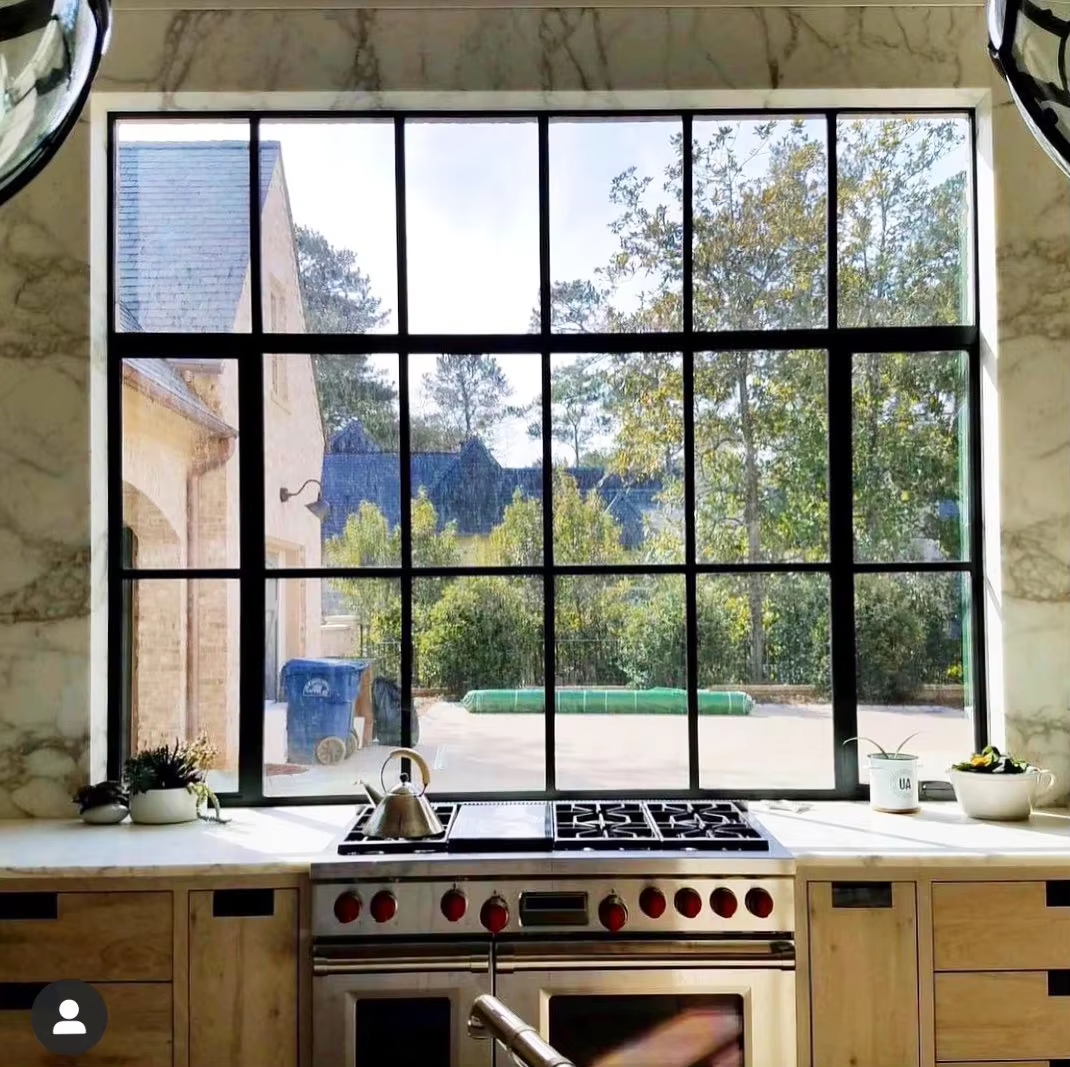
The performance and longevity of a mild steel window frame depend heavily on the manufacturing processes applied during production. From material preparation through finishing, each manufacturing stage influences durability, appearance, corrosion resistance, installation ease, and overall value. Understanding these processes helps building professionals, contractors, and facility managers make informed decisions about material selection and long-term building maintenance requirements.
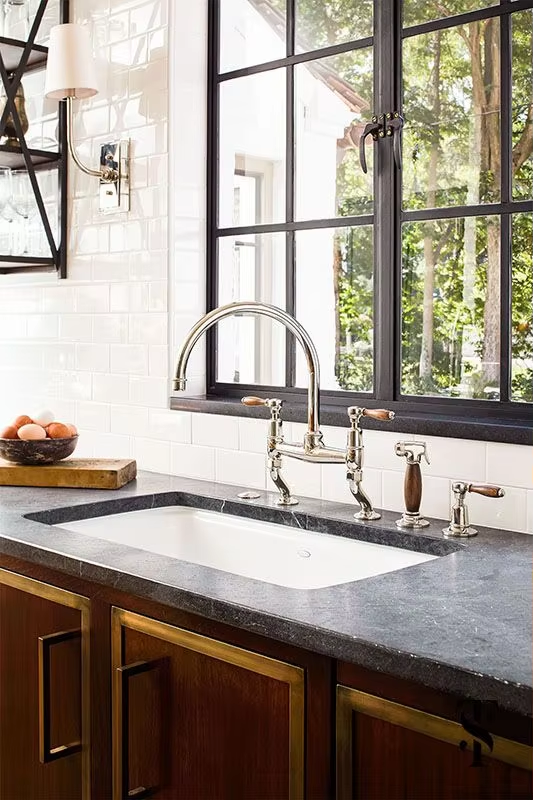
Manufacturing decisions directly affect mild steel window frame corrosion protection capabilities, installation complexity, and the cost versus aluminum comparison that drives many procurement decisions. The choice of forming techniques, welding standards, surface treatment methods, and finishing applications determines whether a mild steel window frame will perform reliably for decades or require early replacement. This article explores the critical manufacturing processes that shape mild steel window frame performance in both residential and commercial building applications.
Steel Preparation and Frame Forming Techniques
Material Selection and Stock Preparation
The foundation of quality mild steel window frame manufacturing begins with raw material selection. Manufacturers source mild steel coils or sheets meeting relevant standards, then subject them to surface cleaning, edge trimming, and thickness verification. The purity and composition of the base steel directly influences the mild steel window frame's structural integrity and its capacity to bond with protective coatings. Proper stock preparation removes mill scale, rust, and contaminants that would otherwise compromise welding quality and coating adhesion. This stage establishes dimensional consistency that affects subsequent mild steel window frame installation guide accuracy and field fitment performance.
Cold Rolling and Hot Rolling Processes
Manufacturing facilities employ either cold-rolling or hot-rolling techniques to form the flat steel into frame profiles. Cold-rolling produces frames with tighter dimensional tolerances and smoother surfaces, improving mild steel window frame corrosion protection by providing uniform coating application areas. Hot-rolling, while faster and more economical, may leave slight surface variations that manufacturers must address through additional grinding or polishing. The forming method chosen influences the mild steel window frame cost versus aluminum calculations, as cold-rolled products command higher prices but deliver superior precision and finish quality. Press braking and roll-forming operations bend and shape the prepared steel into frame corners, sills, and mullion configurations that define the finished window assembly.
Welding, Joining, and Structural Assembly
Welding Standards and Quality Control
Welding represents a critical manufacturing stage where frame sections join into complete assemblies. Modern mild steel window frame production employs robotic or semi-automated welding using MIG, TIG, or stick processes depending on frame profile complexity and production volume requirements. The mild steel window frame installation guide emphasizes that high-quality welds eliminate stress concentrations and weak points vulnerable to premature corrosion. Manufacturers must control heat input, cooling rates, and weld penetration to prevent distortion and brittleness that would compromise structural performance. Post-weld stress relief treatments improve the mild steel window frame's long-term durability by reducing residual stresses that accumulate during assembly.
Joint Design and Assembly Methods
The design of frame joints directly influences both structural strength and mild steel window frame corrosion protection effectiveness. Manufacturing processes that minimize overlap areas and eliminate crevices reduce water entrapment zones where corrosion initiates. Some manufacturers employ bolted or riveted joints instead of welding for specific applications, though welded construction dominates modern mild steel window frame production. Assembly sequences affect whether internal stresses remain in the frame before coating application. Proper joint preparation—including gap control, fit-up accuracy, and cleanliness—ensures that subsequent coating processes achieve complete coverage and adhesion around all welded areas.
Surface Treatment and Finishing Systems
Coating Selection and Application Technology
The finishing system represents the primary defense mechanism for mild steel window frame corrosion protection and accounts significantly for the mild steel window frame cost versus aluminum value proposition. Manufacturers apply multiple coating layers—typically primer, intermediate coats, and topcoat—through spray, brush, or immersion methods. Polyurethane, polyester, and epoxy coatings are common choices, each providing different environmental resistance, gloss retention, and maintenance requirements. The mild steel window frame installation guide recommends specifying coating thickness and type based on local climate conditions, coastal exposure, and intended building location. Advanced coating technologies including powder coating and two-pack epoxy systems deliver superior durability compared to single-layer paint applications, though they increase manufacturing costs and production time.
Surface Preparation Before Coating
Effective surface preparation before coating application is non-negotiable for achieving reliable mild steel window frame corrosion protection throughout the product lifecycle. Manufacturing facilities employ blast cleaning using abrasive sand, grit, or shot to remove mill scale, welding residue, and rust to a specified cleanliness standard—typically SSPC-SP6 or equivalent. Chemical cleaning processes using alkaline or acid solutions remove residual oils and contaminants that blast cleaning alone cannot eliminate. Inadequate surface preparation directly compromises coating adhesion and accelerates failure, making this manufacturing step essential for long-term performance. The timing between cleaning and coating application matters critically; manufacturers must apply primer coatings within strict windows to prevent flash rust formation that degrades adhesion.
Quality Verification and Performance Testing
Dimensional Inspection and Mechanical Testing
Manufacturing quality systems include dimensional verification at multiple production stages to ensure the mild steel window frame installation guide requirements can be met by installers in the field. Mechanical testing confirms that welding and forming processes have not compromised the material's strength properties through hardness testing, tensile testing, and impact testing on sample frames. Frame squareness, alignment, and straightness are verified using precision measuring equipment before frames proceed to finishing operations. These quality controls directly influence both the structural performance rating and the mild steel window frame cost versus aluminum comparison, as comprehensive testing increases manufacturing time but prevents field failures and warranty claims.
Corrosion and Environmental Resistance Testing
Manufacturers validate mild steel window frame corrosion protection effectiveness through accelerated corrosion testing including salt-fog exposure, humidity chamber testing, and cyclic corrosion protocols that simulate years of field exposure in compressed timeframes. Testing data guides coating system selection and helps manufacturers certify performance claims for specific climate zones and applications. Some manufacturers conduct pull-off adhesion testing to verify coating bond strength to the substrate, ensuring that adhesion failures will not occur prematurely in service. Water absorption testing on the finished assembly confirms that frame design and manufacturing jointly prevent moisture ingress into cavities or joint areas. These rigorous testing regimens add manufacturing cost but provide the technical foundation for confident product warranties and long-term performance guarantees.
FAQ
How do welding processes directly affect mild steel window frame corrosion protection?
Welding quality influences corrosion vulnerability because heat-affected zones near welds experience metallurgical changes that may increase susceptibility to rust if not properly treated. High-quality welding with controlled heat input, proper cooling, and complete penetration creates uniform, defect-free joints that coat evenly and resist crevice corrosion initiation. Poor welding practices creating porosity, cracks, or incomplete fusion produce sites where coating fails to adhere completely, allowing moisture penetration and accelerated corrosion. Post-weld cleaning to remove flux residues and scale is essential for coating system adhesion in these critical stress areas.
What manufacturing factors most impact the mild steel window frame cost versus aluminum comparison?
Raw material pricing, labor-intensive welding requirements, and coating application complexity are primary cost drivers in mild steel window frame manufacturing. Aluminum frames require different forming, joining, and finishing techniques with varying cost profiles depending on production volume and market conditions. The mild steel window frame generally carries lower material costs but may require more finishing layers for equivalent corrosion protection in harsh environments. Installation labor costs can differ based on frame weight and connection requirements, affecting the total economic value of each choice across the building lifecycle.
Which manufacturing specifications ensure successful mild steel window frame installation guide compliance?
Manufacturing specifications must define frame dimensional tolerances, squareness and straightness limits, corner strength requirements, and drainage system features that affect installation ease and weather-tightness performance. Frames manufactured to tight tolerances fit building openings without excessive shimming or field adjustment, accelerating installation schedules. Proper manufacturing of weep holes, drain paths, and gasket-bearing surfaces enables installers to achieve watertight installations without field modifications. Quality control documentation proving compliance with these specifications provides installers and building inspectors confidence that the mild steel window frame will perform as designed when installed correctly.