 EN

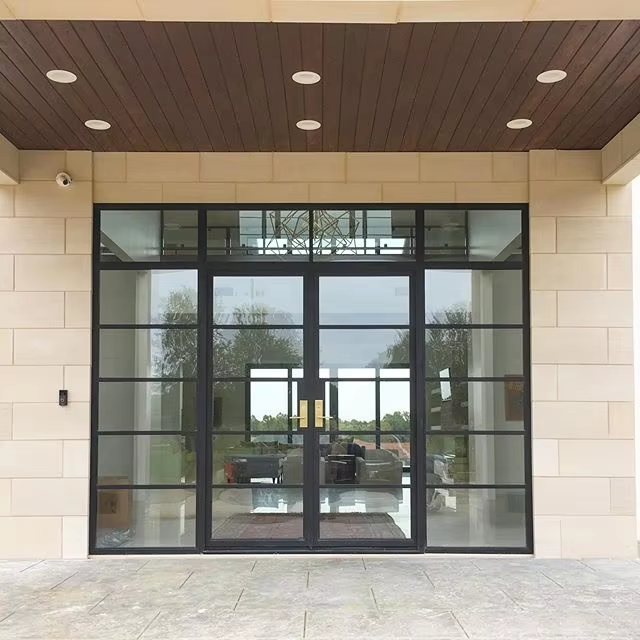
A mild steel window frame represents a proven foundation for building projects that demand structural integrity and long-term performance. Unlike aluminum or vinyl alternatives, mild steel offers superior load-bearing capacity, exceptional durability, and cost-effective strength that industrial and commercial construction teams have relied on for decades. Understanding how mild steel window frames contribute to durable building projects requires examining their mechanical properties, installation protocols, maintenance strategies, and total cost of ownership across the building lifecycle.
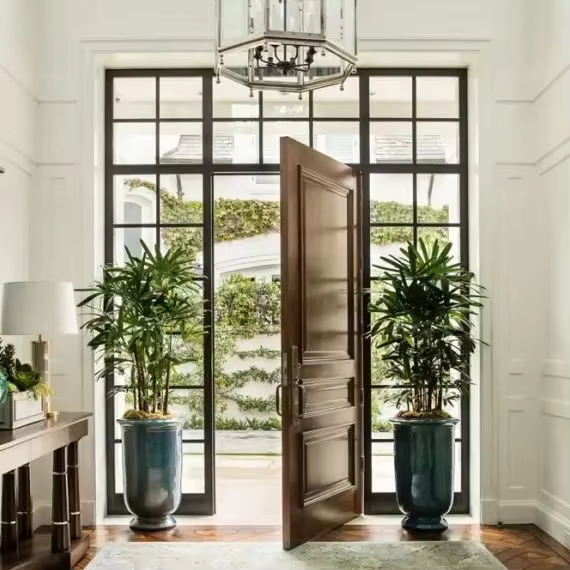
Building durability depends on selecting materials that resist environmental pressures, support structural loads, and maintain performance over decades. Mild steel window frames deliver this reliability through consistent material properties, proven installation methods, and well-established maintenance practices. The structural advantages of mild steel become especially valuable in projects exposed to heavy wind loads, seismic activity, or industrial environments where frame failure creates safety and liability risks.
Structural Strength and Load-Bearing Performance
Why Mild Steel Outperforms Other Frame Materials
Mild steel window frame systems provide structural capacity that exceeds most alternative materials when designed and installed correctly. The tensile strength of mild steel typically ranges between 250 to 350 megapascals, delivering reliable performance under sustained pressure and dynamic loads. This mechanical advantage becomes critical in large-span windows, high-rise applications, or buildings located in wind-prone regions where frame deflection or failure poses structural risk. Building engineers specify mild steel window frames specifically because the material resists permanent deformation under operational stress, maintaining seal integrity and thermal performance over the building lifecycle.
Installation Standards for Maximum Durability
Proper mild steel window frame installation determines whether the frame achieves its designed performance or becomes a maintenance liability. Installation quality directly influences seal effectiveness, thermal bridging, air infiltration rates, and long-term frame stability. Professional installers follow established protocols for anchoring, shimming, caulking, and flashing to ensure the frame transfers loads correctly to the supporting structure. Inadequate installation creates stress concentrations, water infiltration pathways, and accelerated corrosion that compromise durability and inflate lifecycle costs. Mild steel window frame installation requires skilled labor, precise measurement, and attention to material compatibility at connection points where dissimilar metals risk galvanic corrosion.
Rust Prevention and Long-Term Corrosion Control
Coating Systems That Extend Frame Life
Mild steel window frame rust prevention stands as the single most important factor determining service life in corrosive environments. Unlike stainless steel or aluminum, mild steel substrate requires protective coating systems to resist oxidation and maintain structural integrity. Effective rust prevention combines factory-applied primer coats with field-applied finish coats that form barrier protection against moisture and oxygen. Hot-dip galvanizing, powder coating, and paint-based systems each offer different environmental resistance profiles, cost levels, and aesthetic options. Building specifications must clearly define coating thickness, surface preparation standards, and touch-up protocols to ensure rust prevention measures remain effective throughout the building lifecycle.
Maintenance Protocols for Corrosion Management
Long-term mild steel window frame rust prevention requires proactive maintenance that extends far beyond the initial installation. Building operations teams must establish regular inspection schedules, typically annual or semi-annual, to identify early coating damage, moisture ingress, or surface rust formation. Prompt repair of coating damage prevents rust initiation, which once started, spreads rapidly beneath protective coatings and accelerates structural degradation. High-humidity environments, coastal applications, or industrial settings with airborne salts or corrosive chemicals demand more aggressive maintenance intervals and enhanced coating systems. Planned maintenance costs for mild steel window frames typically represent 15 to 25 percent of initial purchase price when amortized across a thirty-year building lifecycle.
Cost Comparison and Total Economic Value
Upfront Material and Installation Costs
A mild steel window frame cost comparison begins with understanding initial material and labor expenses relative to alternative frame materials. Mild steel typically costs less than stainless steel or high-performance aluminum systems, making it economically attractive for budget-conscious projects. However, mild steel window frame cost comparison must extend beyond material prices to include installation complexity, required coatings, and site-specific conditions that influence final expenses. Fabrication costs depend on frame geometry, required cutouts, connection details, and production volumes. Installation labor for mild steel window frame systems generally exceeds vinyl installation but remains competitive with premium aluminum or composite systems when considering professional-grade quality standards.
Lifecycle Cost Analysis and Long-Term Value
True mild steel window frame cost comparison requires lifecycle analysis that accounts for maintenance, repair, replacement, and downtime costs across the entire building service life. While initial purchase costs may appear higher than budget alternatives, lifecycle expenses often favor mild steel due to superior durability and lower failure rates in demanding applications. Building owners reduce emergency repairs, emergency replacements, liability exposure, and operational disruption by selecting frames engineered for their specific environmental conditions. Predictable maintenance costs for mild steel window frames improve financial forecasting compared to reactive repair scenarios common with lower-grade materials. Industrial facilities, institutional buildings, and mission-critical structures typically justify mild steel specifications through lifecycle cost analysis despite higher initial investment.
FAQ
Can mild steel window frames handle extreme weather conditions?
Yes, properly designed and installed mild steel window frames excel in extreme weather applications including high-wind zones, heavy snow loads, and areas experiencing significant temperature fluctuations. The structural capacity and thermal mass properties of mild steel provide reliable performance where lighter materials may deflect, rattle, or fail. Environmental resistance depends on quality coating systems and regular maintenance protocols appropriate for the specific climate zone. Coastal areas, arid regions, and industrial locations may require enhanced rust prevention measures to maintain performance.
What is the typical service life expectancy for a mild steel window frame?
Mild steel window frames routinely achieve 40 to 60 years of service life in properly maintained buildings, with some installations exceeding 80 years in favorable conditions. Coating quality, maintenance frequency, environmental exposure, and original design standards significantly influence actual service life. Buildings that follow recommended maintenance schedules consistently outperform those that defer repairs or ignore early corrosion signs. Service life projections should always account for the specific environmental conditions where the building operates and the availability of replacement parts or refurbishment options.
How does mild steel window frame installation differ from other frame materials?
Mild steel window frame installation requires more precision than vinyl but may differ from aluminum primarily in connection methods, thermal bridging considerations, and compatibility with adjacent materials. Installation crews must follow strict protocols for flashing, caulking, anchoring, and finishing to prevent water infiltration and galvanic corrosion at mixed-metal connections. Professional installation teams understand mild steel-specific requirements including proper shimming techniques, structural load distribution, and finishing procedures that protect coating integrity during and after construction.