 EN

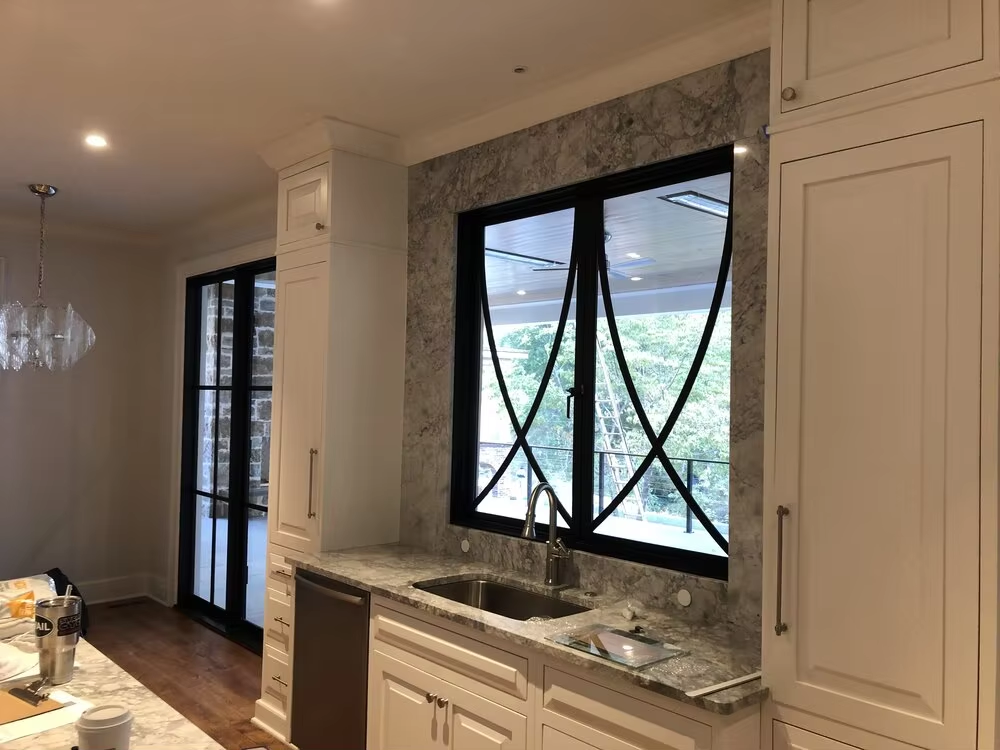
Mild steel window frames remain a popular choice in residential and commercial construction due to their strength, affordability, and design flexibility. However, mild steel is inherently susceptible to corrosion when exposed to moisture, salt, and atmospheric pollutants. Selecting the right coating system for your mild steel window frame is critical to extending its lifespan, reducing maintenance costs, and ensuring structural integrity over decades of use.
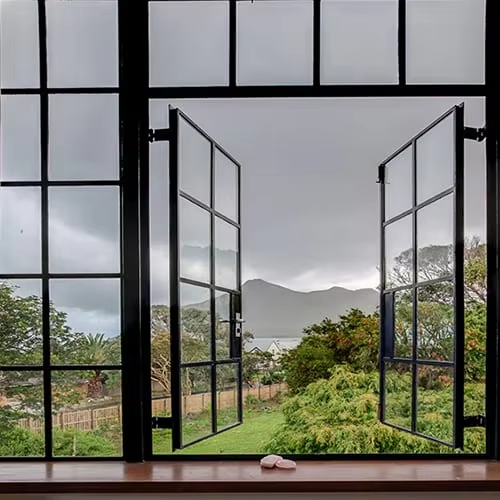
Understanding the available coating options and their performance characteristics allows property owners and builders to make informed decisions that align with budget, climate, and maintenance expectations. Different coating technologies offer varying levels of protection, durability, and aesthetic appeal. This guide explores the most effective coatings for protecting mild steel window frames from corrosion, comparing their advantages, application requirements, and long-term value proposition in the context of overall steel window frame installation cost.
Powder Coated Steel Window Frames Protection
How Powder Coating Works
Powder coating is an electrostatically applied dry powder that bonds to mild steel surfaces through heat curing. Unlike liquid paint, powder coated steel window frames create a uniform, continuous barrier that prevents moisture and oxygen from reaching the steel substrate. The electrostatic process ensures complete coverage, including hard-to-reach areas and recesses in the frame profile. This comprehensive coverage significantly enhances mild steel window frame corrosion protection compared to brush or spray-applied paint systems.
Performance Benefits
Powder coated steel window frames offer superior adhesion, impact resistance, and UV stability. The coating thickness typically ranges from 50 to 100 microns, creating a durable barrier that resists salt spray, humidity, and industrial pollutants. In coastal environments and industrial zones, powder coated steel window frames consistently outperform paint-only systems. The absence of solvents in powder coating also eliminates off-gassing concerns, making it an environmentally responsible choice. For buildings in harsh climates, this coating method provides excellent mild steel window frame corrosion protection with minimal maintenance requirements.
Alternative Coating Systems for Steel Protection
Epoxy and Polyester Paint Systems
Two-component epoxy paints provide robust mild steel window frame corrosion protection by creating a thick, flexible film that adheres strongly to the steel substrate. Epoxy coatings excel in moisture-rich environments and are often applied in two or three coats to achieve 100–150 microns of total thickness. Polyester-based paint systems offer similar protection with faster drying times and excellent gloss retention. Both systems require professional application and surface preparation to ensure effectiveness. While these liquid coatings may increase the overall steel window frame installation cost compared to single-coat options, their durability often justifies the additional investment.
Galvanizing and Thermal Spray
Hot-dip galvanizing creates a metallic zinc barrier that provides both barrier and sacrificial protection to mild steel. The zinc layer reacts preferentially to corrosion, sacrificing itself before the underlying steel is exposed. Thermal spray coating, such as zinc or aluminum spraying, deposits a metallic layer directly onto the steel surface. These methods offer exceptional durability in marine and aggressive environments, though they may increase steel window frame installation cost significantly. Galvanized mild steel window frames are particularly suited for coastal properties, industrial facilities, and areas with salt-laden air where conventional paint or powder coating alone may be insufficient.
Selection Criteria and Long-Term Considerations
Climate and Environmental Exposure
The choice of coating system directly depends on the local climate and environmental exposure. Coastal regions with high salt spray exposure require more aggressive protection such as powder coated steel window frames or galvanizing. Inland urban areas with moderate pollution may achieve adequate mild steel window frame corrosion protection using quality epoxy or polyester paint systems. Tropical climates with high humidity benefit from coatings with excellent moisture resistance. Understanding the specific environmental stressors at your property ensures optimal coating selection and prevents premature failure.
Maintenance and Cost-Benefit Analysis
While powder coated steel window frames and galvanized options represent higher upfront costs, they typically require minimal maintenance over their lifespan. Paint-based systems may require periodic recoating every 5–10 years, adding to total ownership costs. The steel window frame installation cost includes not only the coating application but also surface preparation, which significantly influences coating durability. Investing in premium coating systems reduces long-term maintenance expenses, prevents costly frame replacement, and maintains property aesthetics. A comprehensive cost-benefit analysis should compare initial steel window frame installation cost against anticipated maintenance and replacement cycles.
FAQ
What mild steel window frame corrosion protection method lasts the longest?
Hot-dip galvanizing and powder coated steel window frames typically offer the longest service life, often exceeding 30–50 years with minimal maintenance in most climates. Galvanizing provides superior protection in marine and highly corrosive environments, while powder coating excels in a wider range of moderate to harsh conditions. The specific choice depends on your local climate, budget, and maintenance capacity.
How does surface preparation affect coating performance on mild steel?
Proper surface preparation—including degreasing, rust removal, and profile creation—is essential for coating adhesion and durability. Inadequate preparation causes premature coating failure and negates mild steel window frame corrosion protection benefits. Professional surface treatment using blast cleaning or chemical methods ensures optimal coating performance and longevity, ultimately reducing overall steel window frame installation cost by preventing early replacement.
Can powder coated steel window frames be repaired if the coating is damaged?
Minor powder coating damage can be repaired using touch-up paint or epoxy patches, though full recoating is necessary for extensive damage. Powder coated steel window frames in harsh environments require periodic inspection to identify and address damage before corrosion penetrates to the substrate. Maintenance protocols extend the service life of powder coatings and protect your steel window frame installation cost investment over decades.