 EN

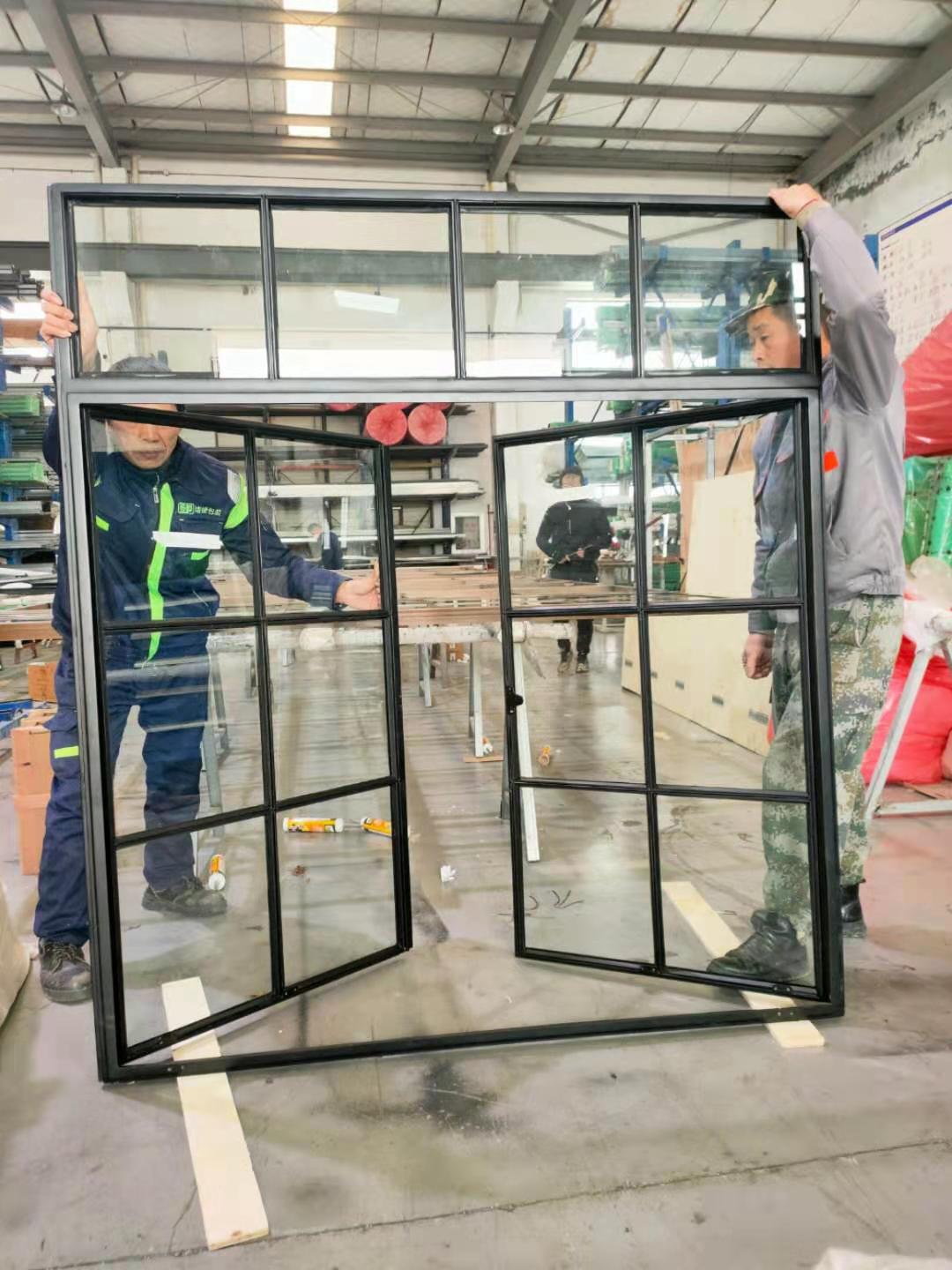
Stainless steel window profiles can improve building performance when their strength, detailing, and thermal design are matched to the facade. They support durable openings, slimmer sightlines, and reliable operation, while the right thermal break window frames help limit heat transfer through the perimeter. These benefits matter in commercial projects where comfort, maintenance, and envelope continuity must work together.
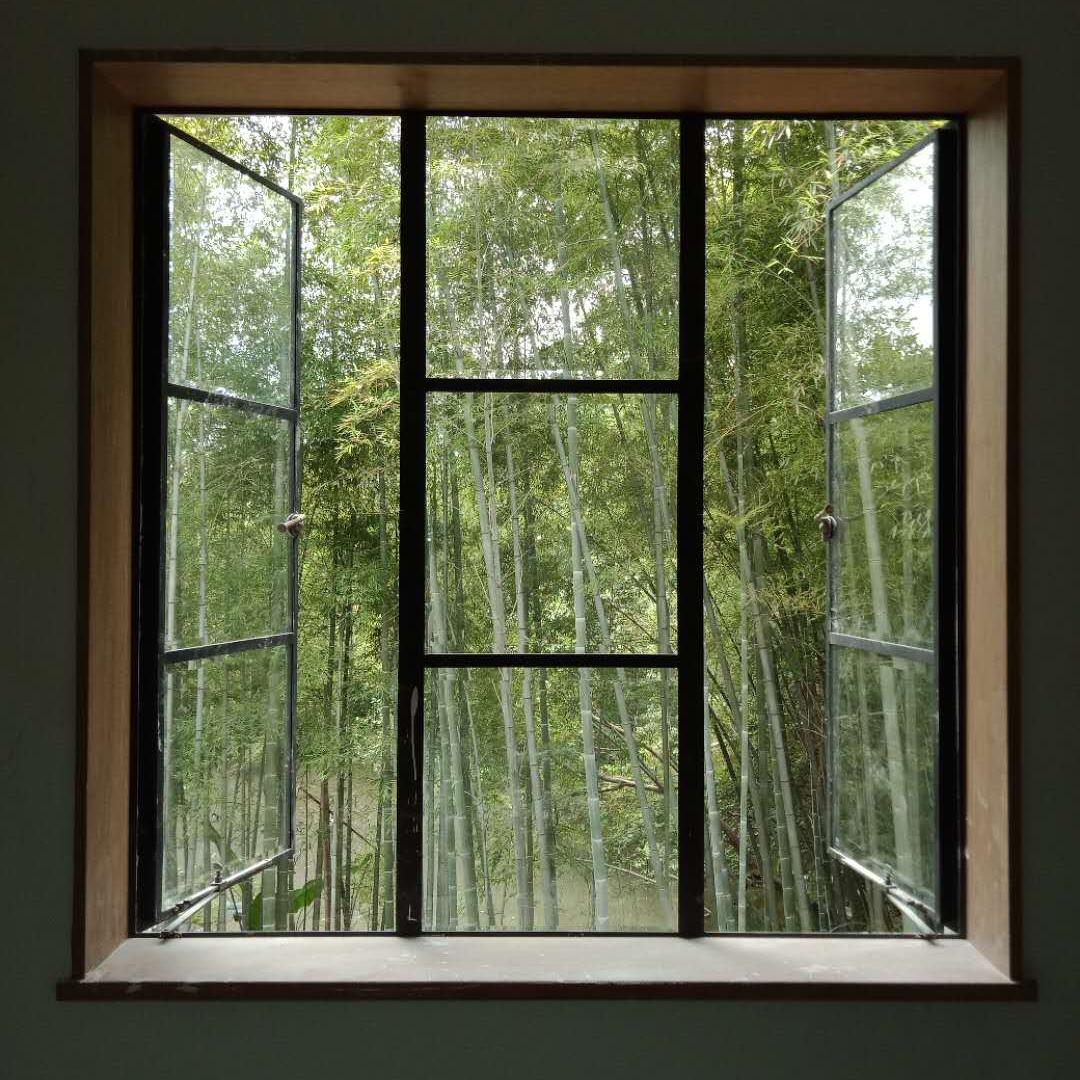
The improvement is not automatic: frame geometry, glazing, installation, and exposure all affect the result. Specifiers should evaluate corrosion resistant window systems alongside modern window frame materials as part of one opening assembly, rather than treating the frame as an isolated component. This approach makes it easier to connect design decisions to thermal, weather, and service requirements.
Performance gains begin with material and profile design
Strength supports practical facade detailing
A frame must hold glazing securely while resisting loads from use and the surrounding facade. Stainless steel window profiles offer a strong structural basis, which can allow a considered profile design without relying on bulky visible sections. For architects, that can preserve daylight and sightlines; for project teams, the benefit depends on verified sizing and sound connection details. Corrosion resistant window systems are especially relevant where moisture exposure is part of normal service.
The material decision also affects how openings relate to other facade elements. Compared with broader categories of modern window frame materials, stainless steel can suit projects that need a refined appearance and robust edge conditions. It should still be assessed for finish, fabrication quality, and compatibility with adjacent metals. Corrosion resistant window systems perform most reliably when drainage, fasteners, and sealants are selected with the same exposure conditions in mind.
Thermal design turns strength into comfort
Metal conducts heat, so a strong frame alone does not establish good thermal performance. Thermal break window frames separate the interior and exterior portions of the frame with a lower-conductivity component, reducing the direct path for heat flow. The break must be continuous and properly integrated at corners and joints. Thermal break window frames also need to work with glazing and perimeter insulation to support a consistent envelope.
Specify thermal break window frames against the project’s climate, energy targets, and expected indoor conditions, not by appearance alone. Details at the sill, jamb, and head can influence condensation risk and comfort near the opening. When corrosion resistant window systems are used in exposed locations, thermal detailing should not interrupt water management. Modern window frame materials differ in conductivity and fabrication, so compare complete assembly data rather than material labels.
A well-conceived profile also gives installers a clear interface with surrounding construction. Thermal break window frames need space for insulation and a dependable connection to the air and water control layers. Review shop drawings for transitions, fastener positions, and frame depth before fabrication. Modern window frame materials can have different movement and joining requirements, making early coordination between facade, structural, and window teams important.
Envelope continuity improves comfort and weather control
Frame and wall details manage heat and moisture
The opening is a junction between glazing and wall, so its performance depends on the whole perimeter. Thermal break window frames can help reduce heat transfer, but the adjacent insulation must meet the frame without a significant gap. Corrosion resistant window systems can contribute to long service in wet or coastal settings, provided drainage paths remain open and water is directed outward. Modern window frame materials should be reviewed for compatibility with sealants and flashing.
Drawings should show how the sill drains and how the head and jamb resist wind-driven rain. Thermal break window frames do not replace flashing or careful sealing; they form one part of the envelope strategy. Corrosion resistant window systems are useful where repeated wetting is expected, but corrosion resistance does not excuse poor detailing. Modern window frame materials must be selected with the full set of adjoining components, including screws, membranes, and finishes.
Comfort concerns are often most noticeable near the perimeter, where cold surfaces or drafts can affect occupants. Coordinating glazing choice with the frame can improve the balance between daylight, solar gain, and interior surface temperatures. Corrosion resistant window systems help maintain dependable operation in demanding exposures, while a continuous insulation line limits thermal weak spots. Confirm that specified thermal values relate to the complete window assembly and its installation conditions.
Exposure planning reduces maintenance pressure
Environmental exposure shapes both specification and upkeep. Corrosion resistant window systems make sense when rain, humidity, cleaning chemicals, or airborne salts could challenge a frame finish. The project team should identify the exposure early and set suitable cleaning and inspection practices. Thermal break window frames also deserve inspection at seals and joints, because a break in the thermal layer does not prevent water entry or air leakage.
Maintenance planning should account for access, cleaning methods, and replacement of serviceable seals. Corrosion resistant window systems can help reduce concerns about material deterioration, yet they still require routine checks for blocked drainage and damaged hardware. Modern window frame materials may react differently to cleaning agents and adjacent metals, so maintenance instructions should be specific to the chosen assembly. A durable specification includes both installation quality and a realistic care plan.
For institutional and commercial buildings, predictable servicing can matter as much as initial appearance. Record the selected finish, sealant type, and drainage approach so facility teams can inspect the installation consistently. Thermal break window frames should be checked for intact seals and clear weep paths. The same documentation helps confirm whether corrosion resistant window systems continue to meet the intended exposure strategy over the building’s service life.
Project coordination makes performance measurable
Design choices should match use and appearance
Different buildings place different demands on openings. Offices may prioritize daylight and occupant comfort, while residential or hospitality projects can emphasize sightlines and operable ventilation. Modern window frame materials should therefore be compared against use, exposure, finish, and maintenance needs. Stainless steel window profiles are a relevant option when the design calls for durable framing with carefully controlled visual proportions, rather than as a default for every project.
A fixed window, an opening sash, and a screened opening each have distinct hardware and sealing requirements. Modern window frame materials must support the selected operation without compromising drainage or a clean facade line. Thermal break window frames are important where energy and interior comfort goals call for reduced conductive heat flow. Corrosion resistant window systems are a logical consideration when weather exposure or frequent cleaning influences long-term service planning.
Aesthetic choices still need technical checks. Confirm that the proposed finish is suitable for the exposure and that the profile can accommodate glass thickness, hardware, and required tolerances. Modern window frame materials vary in how they are formed and joined, so design intent should be tested against fabrication and installation constraints. This review helps avoid late changes that can affect sightlines, interfaces, or performance expectations.
Specification and review connect intent to results
A useful specification defines more than a frame material. It should identify thermal targets, air and water performance requirements, glazing, finish, hardware, and installation interfaces. Thermal break window frames should be evaluated as part of a tested configuration, while corrosion resistant window systems should be matched to the project’s actual exposure. Modern window frame materials need clear acceptance criteria so procurement and site review can verify the intended assembly.
Before construction, coordinate structural support, perimeter insulation, membranes, and window anchorage. The selected stainless steel window profiles should fit the opening details and operational requirements shown in the drawings. Thermal break window frames need particular attention at transitions, while corrosion resistant window systems require compatible fixings and finishes. Mock-ups or submittal reviews can expose interface issues before installation advances.
During site work, protect frames from construction debris and verify that shims, fasteners, and seals follow the approved details. Modern window frame materials can achieve their design intent only when storage and installation are controlled. Check that drainage openings remain unobstructed and perimeter seals are continuous. These practical controls help preserve the contribution of thermal design, water management, and durable framing to the completed building.
FAQ
Do stainless steel window profiles improve energy efficiency?
They can support an efficient opening when combined with suitable glazing, continuous insulation, and well-detailed thermal break window frames. The frame material alone does not determine whole-window performance, so review assembly data and installation conditions.
Where are corrosion resistant window systems most useful?
They are worth evaluating in locations with frequent moisture, coastal air, or demanding cleaning routines. Corrosion resistant window systems still need suitable drainage, compatible hardware, and a maintenance plan tailored to the building’s exposure.
How should teams compare modern window frame materials?
Compare structural needs, thermal behavior, weather exposure, finish, operation, and service requirements together. Modern window frame materials should be judged as complete assemblies, with details and documented performance aligned to the project’s design goals.