 EN

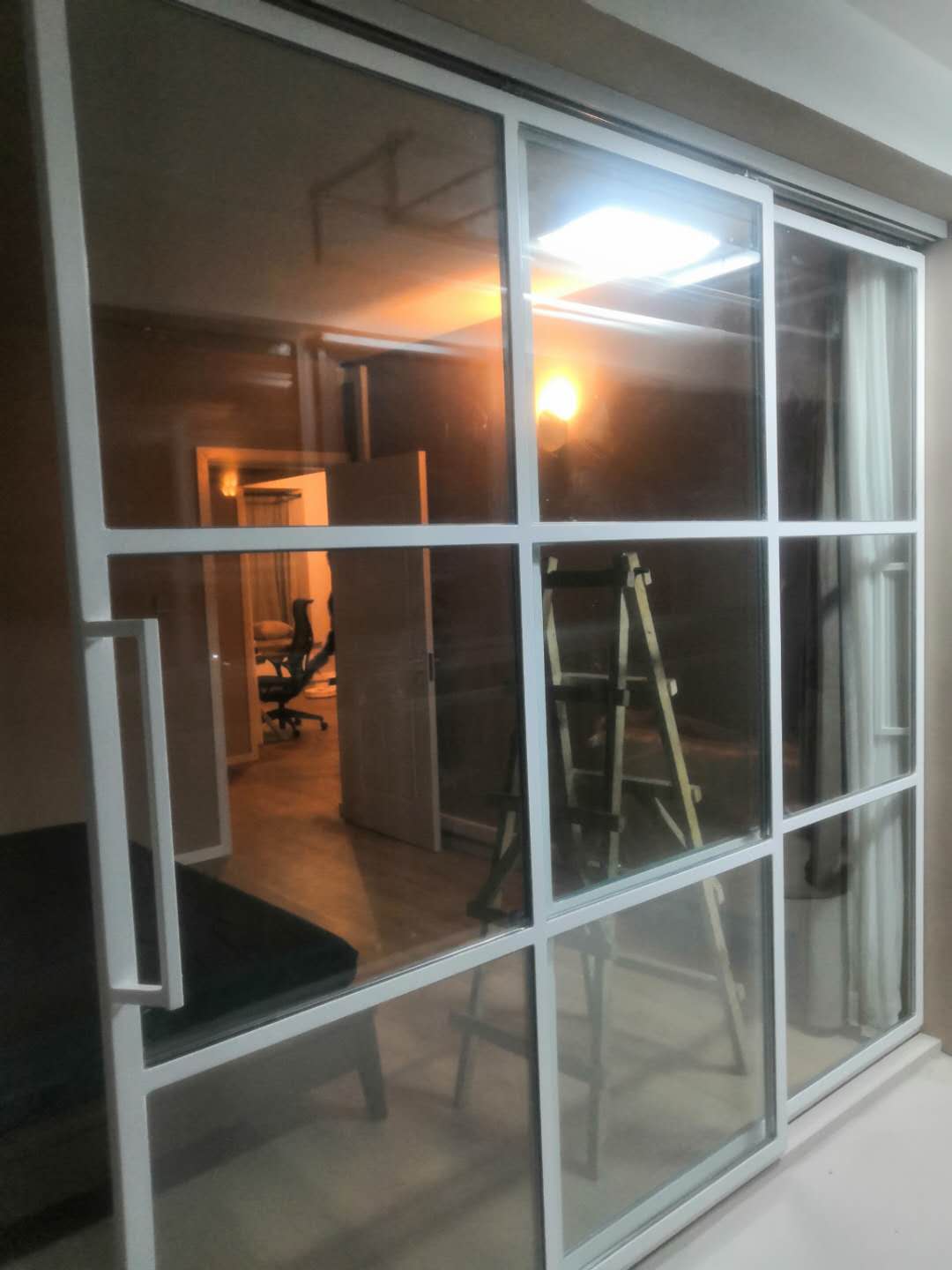
Choosing a stainless steel grade for a window profile means balancing exposure, fabrication, appearance, and lifecycle demands. For most buyers, 304 and 316 are the first grades to assess, while 430 and duplex grades may suit specific cost or strength requirements. Comparing these choices with aluminum window frame systems, thermal insulation window glazing, and corrosion resistant window hardware helps define a complete, compatible opening rather than an isolated metal specification.
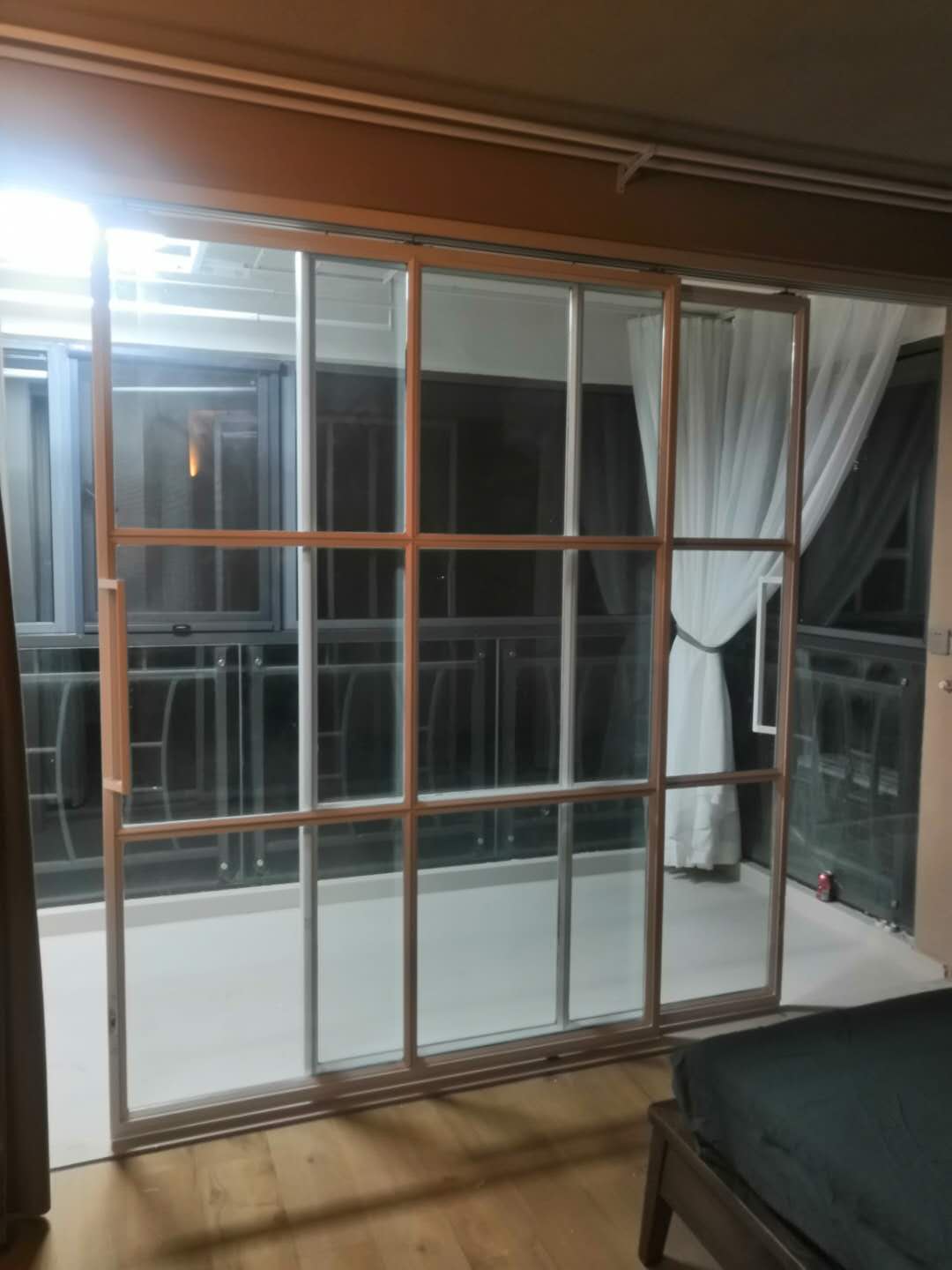
The right grade depends less on a label than on where the window will operate and how it will be made. A sheltered interior opening has different demands from a coastal facade exposed to salt, condensation, and frequent cleaning. Buyers should review grade, finish, joint details, and neighboring materials together, then connect those choices to aluminum window frame systems, thermal insulation window glazing, and corrosion resistant window hardware requirements.
Assessing the Main Stainless Steel Grades
Choosing between 304 and 316
Grade 304 is a common starting point for general architectural use because it offers a useful balance of formability and corrosion resistance in many ordinary environments. Compare it with aluminum window frame systems when project teams are evaluating weight, fabrication, and finish expectations. The comparison should include thermal insulation window glazing needs and corrosion resistant window hardware, since frame performance depends on the whole assembly.
Grade 316 contains molybdenum, which improves resistance to chloride-related corrosion compared with 304. That distinction matters near marine air, de-icing salts, or industrial atmospheres, although exposure varies across a building and should be assessed locally. When evaluating stainless steel window profiles, also check how the selected grade relates to aluminum window frame systems, thermal insulation window glazing, and corrosion resistant window hardware in the specified opening.
Considering 430 and duplex grades
Ferritic grade 430 can be considered where a magnetic stainless steel and a particular cost or finish profile are acceptable, but its corrosion resistance and forming behavior differ from 304. It may not be a like-for-like replacement. Buyers comparing aluminum window frame systems should review the intended environment, while coordinating thermal insulation window glazing and corrosion resistant window hardware with the chosen metal and fabrication method.
Duplex grades combine austenitic and ferritic characteristics and can offer higher strength, but they may involve different forming, welding, and procurement considerations. They are not automatically the best choice for a window simply because strength is higher. Ask fabricators to confirm process suitability, then assess connections to aluminum window frame systems, thermal insulation window glazing, and corrosion resistant window hardware before locking the grade into drawings.
Matching Grade to Exposure and Fabrication
Reading the project environment
Start with the actual exposure, not a broad location label. Salt spray, airborne pollutants, trapped moisture, cleaning chemicals, and sheltered crevices can affect corrosion risk differently across one facade. A careful comparison with aluminum window frame systems helps identify material interfaces; review thermal insulation window glazing details and corrosion resistant window hardware specifications at the same time so exposure assumptions cover the assembled window.
For inland, low-pollution settings, 304 may be sufficient when design and maintenance are appropriate. Coastal or chloride-rich sites often merit closer evaluation of 316, but grade alone cannot prevent problems caused by poor drainage, contamination, or unsuitable cleaning. Document the exposure basis and align it with aluminum window frame systems, thermal insulation window glazing, and corrosion resistant window hardware so every component is assessed against the same conditions.
Checking manufacturing and surface finish
Window profiles may require bending, welding, machining, and a consistent visible finish. Ask how the proposed grade will behave through the planned operations and how weld areas will be cleaned and finished. If the design joins stainless steel to aluminum window frame systems, address isolation and drainage; coordinate thermal insulation window glazing and corrosion resistant window hardware around the same fabrication tolerances.
A brushed, polished, or coated appearance does not replace a suitable alloy, and surface treatment can influence maintenance expectations. Specify the finish on visible and concealed faces, including edges and welds, rather than relying on a sample alone. For stainless steel window profiles, confirm interfaces with aluminum window frame systems, then ensure thermal insulation window glazing and corrosion resistant window hardware do not introduce incompatible materials or difficult-to-clean joints.
Specifying a Complete Window Assembly
Coordinating frame, glazing, and hardware
Frame selection should account for the glazing pocket, seals, drainage path, and operating hardware. Thermal performance depends on the complete configuration, not simply the steel grade, so review thermal insulation window glazing with the profile geometry and installation details. Where designs combine steel and aluminum window frame systems, specify separation at dissimilar-metal contacts and verify corrosion resistant window hardware is suitable for the exposure.
A thermally broken design can reduce direct heat transfer through a metal frame, but the break must be integrated with structural connections, seals, and glazing support. Buyers should review section drawings and performance documentation for the intended assembly. Compare the design with aluminum window frame systems without assuming identical detailing, and confirm thermal insulation window glazing and corrosion resistant window hardware selections work with the selected stainless grade.
Writing a decision-ready purchase specification
A useful specification names the alloy and applicable standard, finish, thickness, fabrication requirements, and exposure assumptions. It should identify where alternate grades require approval and how samples or documentation will be reviewed. Referencing aluminum window frame systems can clarify interface expectations, while thermal insulation window glazing and corrosion resistant window hardware requirements should be stated for the actual opening rather than left to later coordination.
For a typical sheltered project, 304 may provide a practical baseline; for chloride exposure, compare 316 against the site conditions and maintenance plan. Reserve 430 or duplex options for cases where their distinct properties and processing needs are understood. Buyers considering stainless steel window profiles should request clear material traceability and assembly details, including thermal insulation window glazing, aluminum window frame systems interfaces, and corrosion resistant window hardware.
FAQ
Is 304 suitable for every window location?
No. Grade 304 suits many ordinary environments, but chloride exposure, retained moisture, or aggressive cleaning can change the decision. Compare aluminum window frame systems and the site conditions, then check whether thermal insulation window glazing details or corrosion resistant window hardware create additional exposure concerns.
When should buyers consider 316?
Consider 316 when project exposure includes meaningful chloride risk, such as marine influence, while confirming the specific site conditions with the design team. The full assembly still matters: review thermal insulation window glazing, aluminum window frame systems interfaces, and corrosion resistant window hardware alongside the grade.
Does a higher grade guarantee a longer service life?
No grade guarantees service life by itself. Drainage, fabrication quality, surface finish, installation, and maintenance all affect durability. Specify stainless steel window profiles for the real exposure and verify compatibility with aluminum window frame systems, thermal insulation window glazing, and corrosion resistant window hardware.