 EN

Stainless steel window profiles enhance corrosion resistance by maintaining a stable frame surface while managing the moisture, salts, and pollutants that can attack construction materials. Their value depends on more than alloy selection: detailing, drainage, installation, and maintenance all affect whether the opening stays protected. Comparing them with aluminum window frame systems helps project teams assess material fit, while thermal break window installation and weather-resistant window sealing solutions address heat flow and water entry.
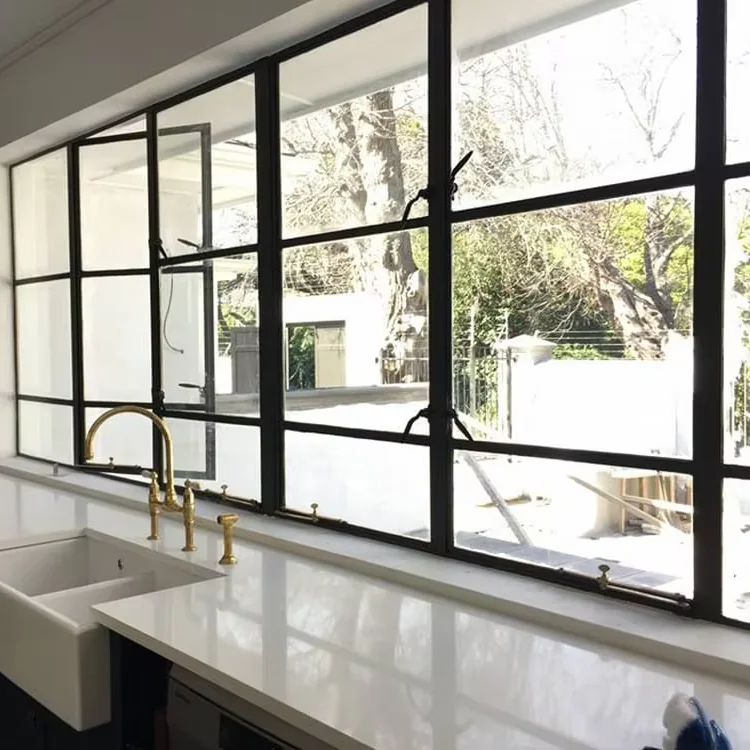
The practical answer is that stainless steel resists corrosion through a protective surface film, but it is not immune to every environment or construction error. Choosing stainless steel window profiles makes sense when exposure, service life, and maintenance requirements justify the material. Designers should evaluate aluminum window frame systems as a different option, coordinate thermal break window installation, and specify weather-resistant window sealing solutions to protect the complete opening rather than the frame alone.
Corrosion resistance begins with material behavior
How the passive surface protects the frame
Stainless steel contains chromium, which reacts with oxygen to form a thin, adherent passive film. If the surface is scratched, this film can reform when suitable conditions are present. For stainless steel window profiles, this behavior helps limit rust during ordinary exposure, but it does not remove the need to keep surfaces clean and dry. Aluminum window frame systems protect themselves through a different oxide layer, so each material requires detailing suited to its properties.
Water carrying salts or construction residue can challenge either material, especially where it remains trapped in joints. Thermal break window installation should therefore preserve drainage paths and avoid creating concealed pockets around frame connections. Weather-resistant window sealing solutions should shed rain without blocking designed weep openings. These measures let stainless steel window profiles benefit from their corrosion-resistant surface while reducing prolonged contact with contaminants that could stain or damage adjacent components.
Exposure conditions shape material selection
A coastal facade, an industrial site, and an inland office do not impose identical corrosion loads. Chloride deposits, airborne chemicals, cleaning agents, and repeated wetting should all inform specification. Stainless steel window profiles may suit demanding exposures, but grade selection and finish still matter. Aluminum window frame systems can also be appropriate when their coating, maintenance plan, and project conditions align. The decision should be based on documented exposure and detail performance, not a broad assumption that one material works everywhere.
At design review, teams can identify likely sources of standing water and contamination before selecting components. Thermal break window installation details need to keep dissimilar materials from creating unwanted galvanic interactions when moisture is present. Weather-resistant window sealing solutions should remain compatible with the frame finish and adjacent substrates. In combination, these checks help stainless steel window profiles perform predictably and reduce avoidable staining, corrosion risk, and repair work over the building’s service life.
Installation details preserve corrosion performance
Manage heat flow without trapping moisture
A corrosion-resistant frame can still contribute to comfort problems if the assembly conducts heat across the opening. Thermal break window installation places an insulating element between interior and exterior frame sections, reducing direct heat transfer. The design must coordinate this thermal layer with anchors, glazing, and drainage. Stainless steel window profiles need properly resolved connections, while aluminum window frame systems often rely on a similar separation strategy to control heat flow through metal framing.
Installers should follow approved details for shims, fasteners, and perimeter gaps rather than filling every cavity indiscriminately. Weather-resistant window sealing solutions need to block wind-driven rain at the correct plane while preserving drainage to the exterior. If sealant closes a drainage route, water may collect at a joint and undermine otherwise sound construction. Careful thermal break window installation protects performance, and supports stainless steel window profiles by limiting persistent dampness at interfaces.
Coordinate fasteners, joints, and drainage
The frame is only one part of the opening. Fasteners, brackets, sill pans, and adjacent cladding can introduce different metals or retain moisture. When specifying stainless steel window profiles, confirm that connection materials suit the exposure and that contact between dissimilar metals is controlled. Aluminum window frame systems also depend on compatible hardware and coatings. Thoughtful joint design reduces corrosion risk at interfaces, where water and material incompatibility can matter more than the visible frame surface.
Sill slopes, end dams, and clear weep paths give incidental water a route out instead of allowing it to sit against the frame. Thermal break window installation should align these drainage details with the insulation and air-control layers so one function does not interrupt another. Weather-resistant window sealing solutions work best as part of this layered assembly, not as a substitute for drainage. These details help stainless steel window profiles stay clean and functional during repeated wetting.
Specification and upkeep determine long-term results
Set requirements before procurement
A useful specification records exposure conditions, required finish, interface materials, drainage expectations, and cleaning methods. It should also define how samples or submittals will demonstrate compliance. Stainless steel window profiles should be evaluated alongside glazing, hardware, and anchorage, not as an isolated product choice. For projects comparing aluminum window frame systems, assess the full assembly and maintenance obligations. Clear requirements make it easier to verify that the selected frame fits the building’s actual exposure and design intent.
Installation documents should show the continuity of insulation, air control, and water management at heads, jambs, and sills. Thermal break window installation must be reviewed at transitions where anchors or accessories can bridge the insulating zone. Weather-resistant window sealing solutions should identify joint preparation, compatible sealants, and replacement access. With these provisions, stainless steel window profiles can be installed consistently, and project teams can inspect the parts most likely to affect corrosion resistance.
Plan inspection and cleaning around exposure
Routine inspection helps identify blocked weeps, damaged sealant, loose hardware, or deposits before they contribute to larger problems. Cleaning frequency should reflect local pollution and salt exposure, using methods compatible with the selected finish. Stainless steel window profiles do not require neglect-free operation, and aluminum window frame systems also need care suited to their coatings. A documented maintenance plan gives facility staff clear guidance without assuming that corrosion-resistant materials are maintenance-free.
When a stain appears, determine whether it comes from the frame, runoff, embedded iron particles, or an adjacent material before choosing a cleaning method. Thermal break window installation should be checked if condensation repeatedly forms at interior surfaces, while exterior joints need review after sealant deterioration. Weather-resistant window sealing solutions may need renewal where adhesion has failed. Timely, compatible maintenance preserves the protective surface and helps stainless steel window profiles deliver their intended durability.
FAQ
Are stainless steel frames completely corrosion-proof?
No. Stainless steel resists corrosion, but exposure, grade, finish, contamination, and detailing affect results. Appropriate drainage and cleaning remain important, as they are for aluminum window frame systems used in comparable settings.
Does thermal performance affect corrosion resistance?
Thermal break window installation primarily controls heat transfer, but coordinated details can also reduce condensation and moisture accumulation. The assembly still needs sound drainage and compatible interfaces to protect the frame.
What matters most for keeping water out?
A complete approach combines sloped sills, open drainage paths, correctly prepared joints, and weather-resistant window sealing solutions. These details support stainless steel window profiles by preventing water from remaining trapped at the opening.