 EN

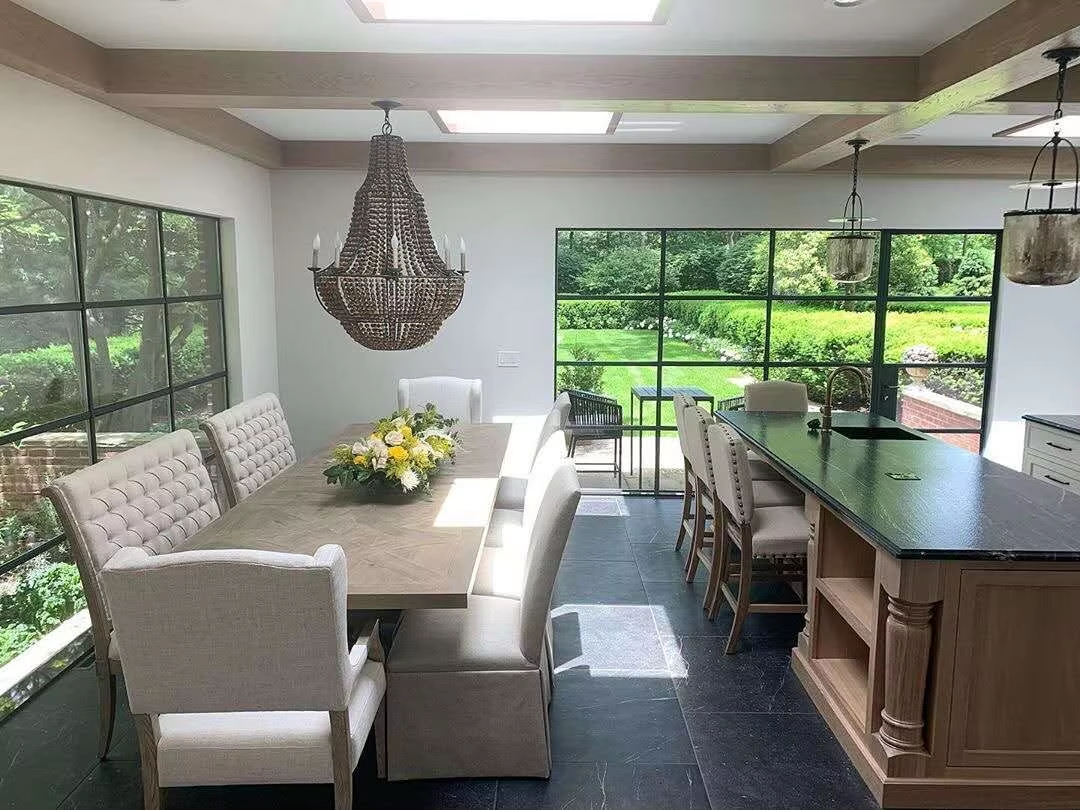
When sourcing stainless steel window profiles, the fabrication route determines more than appearance. Forming accuracy, corner construction, thermal detailing, and surface treatment all influence whether a profile fits the project’s dimensions, performance requirements, and installation method. Compare those decisions with aluminum window frame systems and specify corrosion resistant window materials according to the exposure conditions.
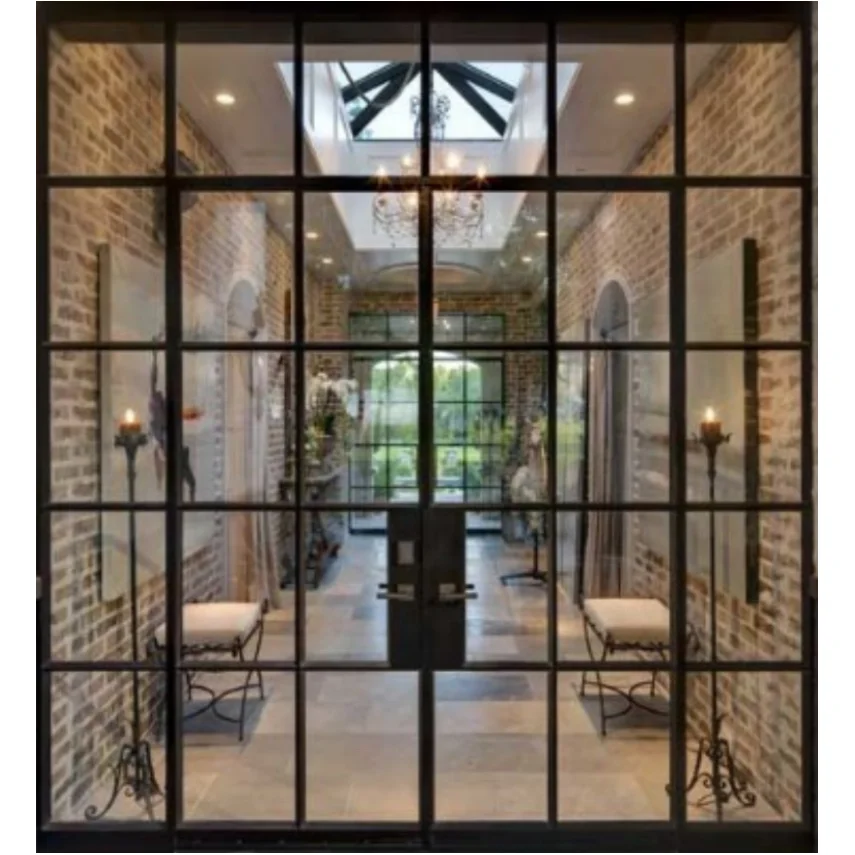
The useful question is not simply which process is most advanced, but which methods control the risks in your application. A specification should connect fabrication choices to opening size, glazing loads, weather exposure, cleaning needs, and thermal break window insulation. Reviewing these details alongside aluminum window frame systems helps buyers compare construction requirements without assuming that different materials use identical methods.
Profile forming and dimensional control
Roll forming and press-brake work
Roll forming creates a continuous profile through successive bending stages, making it suitable when a design has a consistent cross-section and production volume supports dedicated tooling. For stainless steel window profiles, request drawings that show critical dimensions, tolerances, and interfaces with glazing beads and seals. These controls matter just as much as they do for aluminum window frame systems, even though material behavior and tooling requirements differ.
Press-brake forming can suit shorter runs, custom sections, or designs that need flexible geometry. The fabricator must account for springback, bend radius, sheet thickness, and the direction of the material grain. Ask how the process will maintain repeatability at corners and joints, and whether samples confirm the specified geometry. When evaluating corrosion resistant window materials, also check that forming does not leave deep marks or damage protective surface finishes.
Cutting, machining, and fit-up
Cutting quality affects the squareness of frame components and the consistency of assembled openings. Laser cutting, sawing, or other suitable methods should be selected for the section geometry and required edge condition, then verified against shop drawings. Thermal break window insulation depends on accurate interfaces between metal sections and insulating components, so small dimensional errors can complicate assembly and compromise a designed thermal path.
Machining may be needed for drainage paths, hardware connections, fasteners, or assembly features. Specify hole locations and edge distances rather than leaving these details to interpretation. A useful review also considers how stainless steel window profiles meet adjacent construction and how installation tolerances are accommodated. Compared with aluminum window frame systems, the same project detail may require different tooling or joining allowances, so verify the actual section design.
Joining and thermal construction
Welding and mechanical assembly
Welding can create rigid frame corners and continuous joints, but heat input may distort thin sections or discolor the surface. Ask the fabricator to identify the welding process, joint preparation, sequence, and finishing steps for the selected grade and thickness. For corrosion resistant window materials, weld areas need suitable cleaning and treatment, while dimensional checks should confirm the finished frame remains square and true.
Mechanical connections, including screws, brackets, or concealed connectors, can simplify replacement and limit heat-related distortion. Their suitability depends on load transfer, access, appearance, and the risk of loosening under service conditions. Thermal break window insulation requires careful detailing wherever connectors cross or interrupt an insulating layer. Review connection drawings alongside aluminum window frame systems, but base acceptance on the stainless assembly’s own tested or documented configuration.
Thermal breaks and glazing interfaces
A stainless section can conduct heat, so thermal performance depends on the complete frame design rather than the metal alone. Thermal break window insulation typically involves separating interior and exterior conductive paths with an insulating component and maintaining continuity at corners and meeting rails. Ask for section drawings that show the material, location, retention method, and junction details rather than relying on a general performance label.
Glazing pockets, gaskets, beads, and drainage routes must work together without interrupting the intended thermal barrier. Confirm that the selected glass thickness and setting blocks match the profile, and that seals remain serviceable after assembly. When comparing aluminum window frame systems, consider how each construction manages thermal bridging and condensation risk. A documented assembly is more useful than judging thermal break window insulation from a profile sample alone.
Finishing and sourcing verification
Surface preparation and corrosion management
Stainless steel’s corrosion resistance depends on grade, environment, fabrication, and maintenance. Cutting, welding, and handling can contaminate or alter the surface, so ask how parts are cleaned and finished after processing. For corrosion resistant window materials in coastal, industrial, or frequently washed settings, specify the exposure and required finish instead of assuming every stainless surface will perform the same way.
Finishing options influence visual consistency, cleanability, and how marks appear across assembled frames. Request samples representative of the production method, including corners and welded areas, rather than reviewing only flat sheet. For stainless steel window profiles, agree on acceptable surface variation and inspection lighting. Corrosion resistant window materials should also be protected from contact with incompatible materials during storage and installation.
Production evidence and acceptance checks
Before ordering, align the approved drawings with the fabrication sequence, material specification, and inspection plan. Check profile dimensions, corner alignment, hardware preparation, glazing clearances, drainage, and finish against measurable acceptance criteria. Thermal break window insulation should be reviewed at assembled junctions, not just as a component. This approach helps identify whether aluminum window frame systems are a valid reference for the project or only a different construction option.
Ask for material identification records, sample approvals, and inspection evidence appropriate to the contract. Confirm who is responsible for design changes, packaging, and protection against site damage. For stainless steel window profiles, a first-article review can expose fit or finish concerns before repeat production. Include corrosion resistant window materials requirements and thermal break window insulation details in the same controlled specification, so purchasing and quality teams evaluate a consistent scope.
FAQ
Which forming method suits a custom profile?
The choice depends on section complexity, production quantity, and dimensional needs. Press-brake work can offer flexibility for limited runs, while roll forming may suit repeated cross-sections. Compare the proposed method with aluminum window frame systems only as a process reference, then approve samples and tolerances for the actual stainless design.
How should buyers assess thermal detailing?
Review section and corner drawings, insulating components, glazing interfaces, and continuity across joints. Ask how thermal break window insulation is retained during assembly and verify the complete configuration against project requirements. A component description alone does not establish frame performance.
What should the finish specification include?
State the exposure, desired appearance, cleaning expectations, and acceptable surface variation. Identify post-fabrication cleaning and protection steps for corrosion resistant window materials, including welded or machined areas. Approve representative samples so the delivered frames can be checked against a clear standard.