 EN

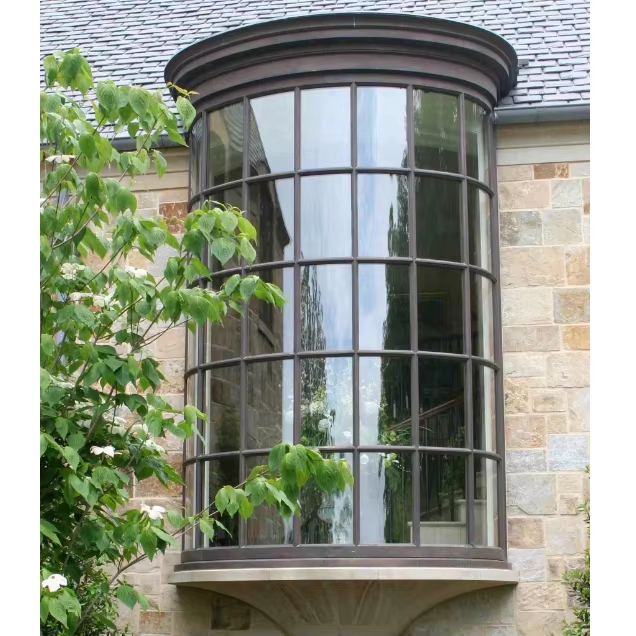
Specifying a metal window jamb for retrofit projects requires careful attention to structural compatibility, material selection, and installation standards. A metal window jamb serves as the vertical frame component that receives and secures the window unit within the building opening, and choosing the right specification can determine whether your retrofit succeeds or leads to water infiltration, air leakage, and performance failures. This guide walks contractors through the essential decision factors, technical requirements, and practical considerations for selecting and installing a metal window jamb in retrofit applications.
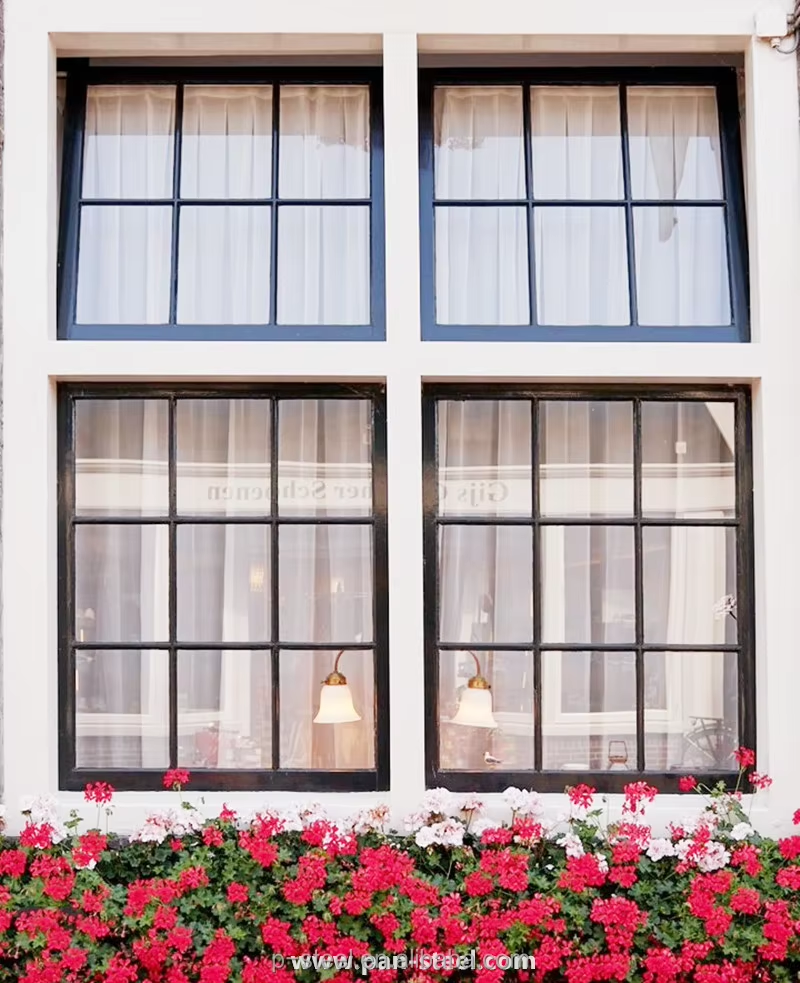
Retrofit projects present unique challenges because existing wall conditions, structural openings, and building codes differ significantly from new construction. Understanding how to properly specify a metal window jamb means evaluating material compatibility with your existing structure, accounting for dimensional variations in older openings, and ensuring that installation methods comply with current energy and water management standards. The decisions you make during specification directly impact thermal performance, durability, and long-term maintenance costs.
Material Selection and Compatibility
Aluminum and Steel Options
The primary metal materials for window jamb construction are aluminum and steel, each with distinct advantages and limitations in retrofit contexts. Aluminum jamb systems offer lightweight installation, excellent corrosion resistance, and lower material cost, making them popular for many retrofit applications. Steel jambs provide superior structural strength and thermal mass but require protective coatings or breaks to prevent condensation and heat transfer issues. When specifying your metal window jamb material, consider the climate zone, existing wall composition, and expected building performance targets.
Thermal breaks have become increasingly important in retrofit projects where energy efficiency upgrades are a priority. Aluminum jamb products with thermally broken designs reduce heat conduction through the metal frame, improving overall window assembly thermal resistance. This consideration becomes critical when your retrofit is part of a broader energy renovation strategy. Steel jambs typically require separate insulation detailing or thermal decoupling methods to achieve comparable performance.
Finish and Protective Coating
Specifying the correct finish for your metal window jamb extends its service life and prevents corrosion, particularly in coastal, humid, or chemically aggressive environments. Anodized aluminum jambs offer good corrosion resistance and aesthetic options, while painted or powder-coated finishes can be matched to interior and exterior color schemes. Steel jambs require robust paint systems or galvanizing to prevent rust formation, especially in retrofit applications where existing moisture or condensation history may be present. Your window frame installation guide should specify finish type, thickness, and adhesion standards aligned with industry specifications.
Dimensional Specification and Opening Compatibility
Measuring and Accounting for Variation
Retrofit openings rarely match nominal dimensions exactly, and older buildings often have sloped, bowed, or irregular structural frames. Before finalizing your metal window jamb specification, detailed field measurements and opening inspections are mandatory. Document variations in height, width, plumb, and flatness across multiple points in the opening. This data informs whether you need adjustable jamb systems, custom-sized jambs, or supplemental framing. Many retrofit failures stem from specifying standard jamb depths or widths without accounting for the actual existing wall thickness variation inherent in older construction.
Specifying an adjustable or modular metal window jamb system can solve compatibility challenges without requiring extensive demolition or frame reconstruction. These systems allow installation professionals to adapt the jamb width and depth within defined ranges, accommodating typical retrofit conditions. The window frame installation guide for your project should include detailed field measurement protocols, acceptable variance ranges, and procedures for handling out-of-tolerance conditions before ordering materials.
Depth and Reveal Planning
The depth of your metal window jamb affects how the window unit sits within the wall cavity and influences thermal and water management layers. In retrofit applications, existing insulation, sheathing, and vapor barriers occupy space that new jambs must coordinate with. Specify jamb depth by determining the desired window placement relative to the exterior plane, interior finish, and any new insulation or air barrier systems being installed. Exterior-mounted jambs provide better drainage management and air sealing potential, while interior jambs simplify some retrofit coordination but require careful water management detailing.
Installation Standards and Water Management
Aluminum Jamb Weatherstripping Requirements
Proper weatherstripping specification is critical for retrofit window performance, and aluminum jamb weatherstripping systems must accommodate both compression and thermal cycling. Foam, rubber, and composite weatherstripping materials each provide different compressibility, durability, and maintenance profiles. Retrofit applications benefit from aluminum jamb weatherstripping that resists moisture absorption, maintains compression under repeated opening and closing, and remains effective across a broad temperature range. Your specification should call for weatherstripping installed on all four jamb sides and include replacement schedules appropriate to your climate zone and expected occupancy patterns.
Moisture is the primary failure mechanism in retrofit window installations, and inadequate weatherstripping allows both water infiltration and air leakage. Specify weatherstripping type, compression force, installation method, and any required field testing or quality verification. Double-seal systems, where weatherstripping is applied to both the jamb and window frame, provide superior performance in high-wind or wet climates typical of many retrofit scenarios. Include maintenance guidance in your specification so building operators understand replacement intervals and inspection procedures.
Flashing and Drainage Strategy
Metal window jamb repair and replacement projects require integrated flashing that directs water away from the wall cavity while allowing moisture vapor to escape. Specify head flashing, jamb flashing, and sill flashing materials and installation methods that work with both the metal window jamb and the existing wall assembly. In retrofit contexts, flashing must transition seamlessly between old and new construction, often requiring custom detailing or field adaptation. Ensure your specification includes provisions for sealant compatibility, fastener spacing, and overlap protocols that prevent water bridging.
Specify drainage planes that slope outward at the window opening, preventing water from accumulating at the jamb base or migrating into adjacent wall cavities. This is particularly important in retrofit projects where existing drainage may be compromised or where new insulation changes the drying potential of wall assemblies. Include metal window jamb repair specifications that address any corrosion, damage, or previous installation failures discovered during retrofit demolition, ensuring sound substrate conditions before new jambs are installed.
FAQ
What is the standard depth for a metal window jamb in retrofit applications?
Standard metal window jamb depths typically range from 3.25 to 6 inches, but retrofit requirements depend on existing wall thickness, insulation plans, and desired window placement. Measure your specific wall cavity before specifying jamb depth. Many retrofit projects use adjustable jamb systems or custom depths to accommodate non-standard opening conditions. Consult your structural drawings and conduct field measurements to determine the appropriate metal window jamb depth for your project context.
How does aluminum jamb weatherstripping compare to rubber options in retrofit scenarios?
Aluminum jamb weatherstripping materials vary in durability and performance. Foam weatherstripping offers excellent initial compression but may degrade faster in humid or UV-exposed conditions. Rubber and composite materials provide longer service life and better moisture resistance, making them preferable for retrofit applications where maintenance access or replacement frequency may be limited. Specify weatherstripping based on your building's climate zone, occupancy type, and expected maintenance capability.
What inspection procedures should be included in metal window jamb repair specifications?
Metal window jamb repair begins with detailed visual inspection and documentation of existing damage, corrosion, and moisture history. Specify cleaning, surface preparation, and any necessary structural assessment before new installation. Include quality verification steps such as water testing, air leakage measurement, and thermal imaging to confirm proper flashing installation and weatherstripping sealing. Your window frame installation guide should outline inspection protocols at multiple stages: pre-installation, mid-installation, and final completion.