 EN

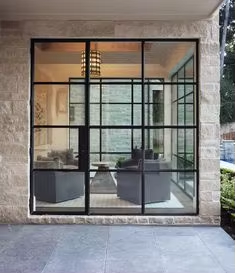
Protecting a metal window jamb from corrosion is essential for maintaining structural integrity and extending the lifespan of your window systems. Metal jambs, particularly those made from steel or aluminum, face constant exposure to moisture, temperature fluctuations, and environmental contaminants. Without proper corrosion protection, degradation can compromise both the aesthetic appeal and functional performance of your windows. Understanding the available protection options helps building owners and contractors make informed decisions that balance cost, durability, and maintenance requirements.
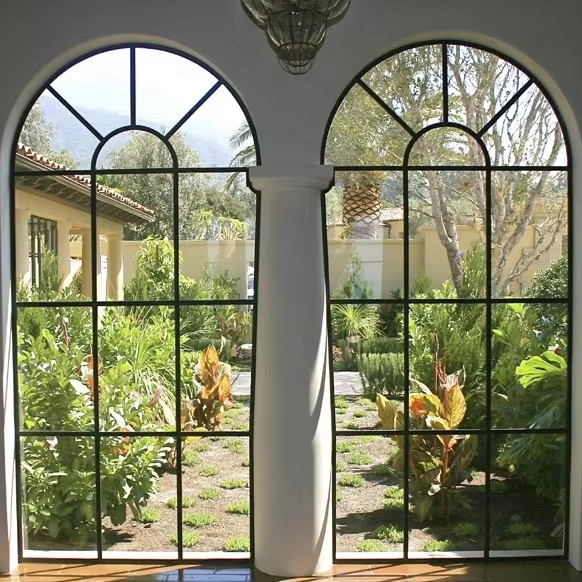
Coating and Paint-Based Protection Systems
Powder Coat Finishes for Durable Surface Protection
Powder coating represents one of the most effective and widely used corrosion protection methods for metal jambs. This electrostatically applied coating creates a uniform, hard finish that bonds directly to the metal surface, providing excellent resistance to rust formation. When applied correctly by qualified technicians familiar with window frame installation procedures, powder coatings can last fifteen to twenty years or more in most climates. The process involves careful surface preparation, including cleaning and mild abrasion, followed by application of the powder particles and curing in an oven. This creates a seamless protective layer that bridges micro-cracks and provides superior adhesion compared to liquid paint alternatives.
The advantages of powder coating extend beyond protection to include aesthetic flexibility and environmental compliance. Available in virtually any color or finish texture, powder coatings allow designers to achieve the desired visual appearance while maintaining robust corrosion resistance. Unlike liquid paints, powder coating produces minimal volatile organic compound emissions and creates no drips or overspray concerns. The finish is harder and more impact-resistant than conventional paint, making it suitable for high-traffic commercial applications. For metal window jambs in demanding environments, powder coating combined with proper window frame installation practices provides long-term durability at reasonable cost.
Liquid Paint and Primer Systems
Traditional liquid paint systems offer a more accessible and flexible corrosion protection solution for metal jambs, particularly when retrofit work or field repair is necessary. High-quality rust-inhibiting primers paired with weather-resistant topcoats create effective barrier protection when surface preparation is thorough. These systems allow for easy touch-up and maintenance painting throughout the service life, extending protection indefinitely with periodic recoating. For window frame installation in residential settings or renovation projects where factory coating is not possible, liquid paint systems provide a practical alternative that property owners can maintain themselves. Professional application ensures even coverage and proper curing, critical for achieving maximum protection.
Weatherstripping and Seal-Based Protection
Metal Jamb Weatherstripping Integration
Metal jamb weatherstripping functions as a critical secondary defense against moisture penetration and environmental corrosion. These sealing materials, typically made from rubber, foam, or silicone compounds, prevent water from entering the gap between the metal jamb and surrounding building envelope. Proper metal jamb weatherstripping installation blocks rain, snow melt, and condensation from contacting the metal surface, dramatically reducing corrosion initiation. When combined with quality coatings, effective weatherstripping creates a comprehensive protection strategy that addresses both direct surface degradation and moisture-driven corrosion mechanisms. The durability of weatherstripping materials varies, with premium silicone products lasting longer than basic foam alternatives in extreme climates.
Selection of appropriate metal jamb weatherstripping depends on your climate zone, building orientation, and maintenance budget. Compressible foam strips offer basic protection but may require replacement every five to seven years in harsh conditions. Rubber extrusions provide improved durability and maintain flexibility across temperature extremes. Silicone-based weatherstripping delivers superior longevity and maintains seal integrity even in UV-intensive environments. During window frame installation, proper positioning of weatherstripping is essential to eliminate bypass paths while maintaining ease of window operation. Regular inspection and timely replacement of deteriorated weatherstripping prevents water intrusion that could undermine even the best coating protection.
Flashing and Drain Management Systems
Integrated flashing and drain systems work alongside weatherstripping to manage moisture exposure on metal jambs. These components, typically installed during the initial window frame installation phase, direct water away from vulnerable areas toward exterior drainage paths. Properly designed drainage prevents standing water from accumulating in horizontal jamb surfaces where corrosion accelerates rapidly. Metal flashing materials, when compatible with the jamb composition, provide additional protective barriers. The key to effective moisture management is ensuring that water cannot remain in contact with the metal surface; gravity-assisted drainage solutions prove more reliable than relying solely on surface coatings to prevent corrosion initiation.
Material-Specific Protection Strategies
Aluminum Jamb Dimensions and Corrosion Resistance
Aluminum window jambs offer inherent corrosion advantages compared to steel, as aluminum forms a naturally protective oxide layer when exposed to air. However, aluminum jamb dimensions and specifications must account for galvanic corrosion risks when aluminum contacts dissimilar metals in building assemblies. Proper isolation of aluminum from steel fasteners, copper components, and stainless steel materials through gaskets or non-conductive spacers prevents accelerated corrosion. The aluminum jamb dimensions and specifications provided by manufacturers typically include recommendations for isolation materials and assembly methods that preserve corrosion resistance. Anodizing, an electrochemical process, further enhances aluminum's natural protection by thickening the oxide layer, creating superior durability in coastal and industrial environments.
Aluminum jamb dimensions and specifications also influence protection effectiveness by determining surface area exposure and structural mass. Thicker aluminum sections resist corrosion better than thin gauges because they can tolerate deeper oxidation without compromising structural function. Thermal break designs, which incorporate insulating material between interior and exterior aluminum components, also reduce condensation on the jamb surface, minimizing moisture-driven corrosion. Manufacturers carefully engineer aluminum jamb dimensions and specifications to balance weight, strength, insulation performance, and corrosion resistance. Understanding these design parameters helps property managers select systems appropriate for their specific climate and application requirements.
Steel Jamb Protection Priorities
Steel window jambs require more aggressive protection than aluminum because steel lacks the self-healing oxide layer that makes aluminum naturally corrosion-resistant. Hot-dip galvanizing, which creates a thick zinc coating, provides excellent long-term protection for steel jambs in most environments. This process is particularly valuable for metal window jambs in coastal zones where salt spray and marine conditions accelerate steel corrosion. The zinc coating sacrifices itself to protect underlying steel, providing cathodic protection even when the coating is scratched or damaged. For critical applications, combining galvanizing with powder coating or paint creates redundant protection systems that maximize service life. Regular inspection of galvanized steel jambs for coating breakdown, particularly in high-contact areas or where weatherstripping fasteners penetrate the surface, ensures early detection and maintenance of protection integrity.
Installation and Maintenance Best Practices
Proper Installation Techniques During Window Frame Installation
The effectiveness of corrosion protection depends critically on quality window frame installation procedures that integrate all protective elements correctly. Workers must ensure that coatings are fully applied to all jamb surfaces, including interior corners and edges where moisture accumulation accelerates corrosion. Weatherstripping must be installed without gaps or compression points that could allow water bypass. Fasteners used during window frame installation should be corrosion-resistant themselves, typically stainless steel or galvanized options, to prevent galvanic corrosion around penetration points. Proper sequencing during window frame installation ensures that each protection layer complements others without creating trapped moisture pockets or isolation failures.
Ongoing Maintenance and Inspection Protocols
Regular inspection and maintenance dramatically extend the service life of corrosion protection systems applied to metal window jambs. Annual visual inspection should assess coating condition, check for rust stains indicating seal failure, and verify that weatherstripping remains properly positioned and compressed. Quarterly cleaning removes dirt and salt residue that could initiate corrosion. Prompt repair of damaged weatherstripping or coating prevents small problems from escalating into structural concerns. In harsh environments, consider more frequent inspection schedules, particularly after severe weather events. Maintenance documentation helps property managers track deterioration patterns and plan protective system replacement before widespread corrosion develops.
FAQ
What is the most cost-effective corrosion protection for metal window jambs?
For budget-conscious applications, quality liquid paint systems combined with proper weatherstripping offer reasonable corrosion protection at moderate cost. However, powder coating provides superior durability and lower lifetime cost despite higher initial expense. The most cost-effective choice depends on climate severity and maintenance budget; harsh environments justify premium protection systems that minimize future repair costs.
How long does powder coating last on metal window jambs?
High-quality powder coating typically lasts fifteen to twenty years in moderate climates, with some premium formulations lasting twenty-five years or longer. Coastal environments and industrial areas may see reduced service life, requiring recoating after ten to fifteen years. Proper surface preparation and application technique significantly influence actual durability, making contractor experience essential for maximizing protection longevity.
Can I combine multiple corrosion protection methods on a single metal window jamb?
Yes, combining protection methods creates redundant defense systems that maximize durability. For example, galvanized steel with powder coating, integrated weatherstripping, and proper flashing creates comprehensive protection suitable for extreme environments. This layered approach ensures that failure of one protection element does not immediately expose the metal jamb to corrosion.