 EN
EN
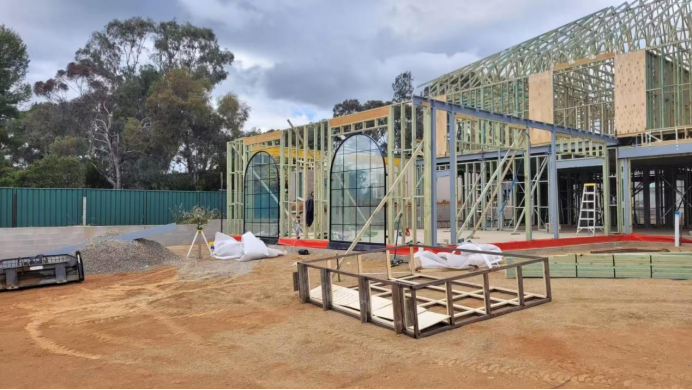
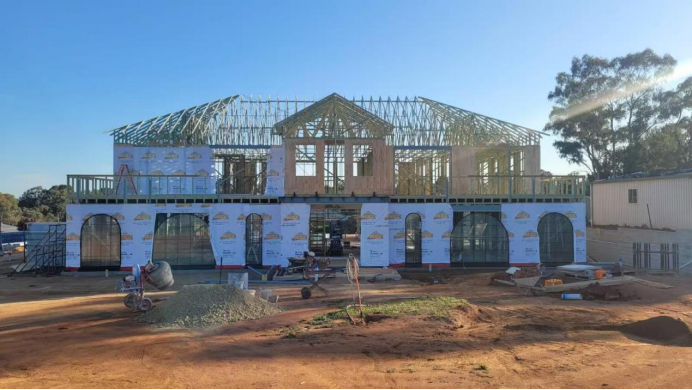
Modern construction projects increasingly demand robust solutions that combine security, durability, and aesthetic appeal. Steel door window installations represent a premium choice for residential and commercial buildings seeking long-term performance and enhanced protection. These architectural elements offer superior strength compared to traditional materials while providing excellent thermal efficiency and weather resistance. Professional installation techniques ensure that steel doors window systems deliver optimal performance throughout their extended service life, making them an investment worth considering for any serious construction project.
Essential Pre-Installation Planning
Site Assessment and Measurements
Accurate measurements form the foundation of successful steel doors window installation projects. Professional installers begin by conducting comprehensive site surveys to identify structural requirements and potential challenges. The existing opening dimensions must be precisely recorded, accounting for frame thickness, insulation requirements, and thermal expansion allowances. Weather conditions during measurement collection can significantly impact accuracy, so professionals typically schedule assessments during stable temperature periods to ensure dimensional consistency.
Structural integrity evaluation involves examining load-bearing capacity around installation areas. Steel frames require adequate support systems to distribute weight effectively across building structures. Foundation conditions, wall composition, and adjacent architectural elements influence installation approaches and hardware selection. Professional assessment teams utilize specialized measuring tools and laser levels to ensure millimeter-precision accuracy throughout the evaluation process.
Material Selection and Quality Standards
Premium steel doors window systems incorporate advanced metallurgy and protective coatings designed for extended outdoor exposure. Galvanized steel options provide superior corrosion resistance in coastal environments, while powder-coated finishes offer enhanced aesthetic durability and color retention. Thermal break technology integrated into modern steel frames significantly improves energy efficiency by reducing heat transfer between interior and exterior environments.
Quality certifications and compliance standards guide material selection processes for professional installations. Energy efficiency ratings, security classifications, and weather resistance specifications must align with local building codes and project requirements. High-performance glazing options, including double and triple-pane configurations, complement steel frame systems to maximize thermal performance and acoustic insulation properties.
Professional Installation Techniques
Frame Preparation and Anchoring Systems
Proper frame preparation ensures long-term structural stability and weather sealing performance. Installation teams begin by creating precisely sized openings that accommodate frame dimensions plus necessary clearances for adjustment and insulation materials. Mechanical anchoring systems utilize heavy-duty fasteners specifically designed for steel frame applications, distributing loads evenly across attachment points to prevent stress concentrations.
Waterproofing membranes and vapor barriers require careful integration during frame installation to prevent moisture infiltration and thermal bridging. Professional-grade sealants and weatherstripping materials create continuous barriers against air and water penetration. Installation sequences follow manufacturer specifications to maintain warranty coverage while ensuring optimal performance characteristics throughout the system lifecycle.
Alignment and Operational Adjustments
Precise alignment procedures ensure smooth operation and proper sealing performance for movable steel doors window components. Professional installers utilize adjustment mechanisms built into modern steel frame systems to achieve perfect vertical and horizontal positioning. Operational hardware including hinges, locks, and closing mechanisms require calibration to manufacturer specifications for optimal functionality and security performance.
Quality control procedures involve comprehensive testing of all movable components under various load conditions. Weather sealing effectiveness receives verification through pressure testing and visual inspection protocols. Final adjustments address any operational issues while ensuring compliance with safety standards and building code requirements for egress and accessibility.
Durability Enhancement Strategies
Protective Coating Applications
Advanced protective coatings significantly extend the service life of Steel Doors Window installations in challenging environmental conditions. Multi-layer coating systems combine primer, intermediate, and finish layers to provide comprehensive protection against corrosion, ultraviolet degradation, and mechanical wear. Application timing and environmental conditions during coating processes critically influence long-term performance and adhesion characteristics.
Specialized coatings address specific environmental challenges including salt exposure, industrial pollutants, and extreme temperature variations. Thermal barrier coatings improve energy efficiency while providing additional corrosion protection for steel substrates. Regular maintenance schedules and touch-up procedures help preserve coating integrity and extend overall system durability.
Hardware and Component Maintenance
Systematic maintenance programs ensure optimal performance throughout the operational lifecycle of steel doors window systems. Lubrication schedules for moving components prevent premature wear while maintaining smooth operation under various weather conditions. Hardware inspection protocols identify potential issues before they compromise security or operational efficiency.
Weather sealing components require periodic replacement to maintain water and air barrier effectiveness. Professional maintenance services include adjustment of operational hardware, replacement of worn weatherstripping, and recalibration of locking mechanisms. Preventive maintenance approaches significantly reduce long-term ownership costs while preserving system performance and appearance.
Performance Optimization Methods
Thermal Efficiency Improvements
Modern steel doors window designs incorporate advanced thermal break technology to minimize heat transfer and improve energy efficiency. Polyamide thermal barriers create effective insulation zones within steel frame profiles, significantly reducing thermal bridging effects. Proper installation of thermal break components requires specialized techniques to maintain structural integrity while maximizing insulation performance.
Glazing selection plays a crucial role in overall thermal performance optimization. Low-emissivity coatings, inert gas fills, and multi-pane configurations work synergistically with steel frame thermal breaks to achieve superior energy efficiency ratings. Professional installation ensures proper glazing support and sealing to maintain long-term thermal performance characteristics.
Security and Safety Features
Enhanced security features integrated into steel doors window systems provide superior protection compared to conventional alternatives. Multi-point locking mechanisms distribute security loads across frame perimeters, making forced entry significantly more difficult. Impact-resistant glazing options complement steel frame strength to create comprehensive security barriers.
Safety features include egress requirements, emergency release mechanisms, and compliance with accessibility standards. Professional installation ensures proper operation of all safety systems while maintaining security effectiveness. Regular testing and maintenance of safety features helps ensure reliable operation during emergency situations.
Quality Control and Testing
Performance Verification Protocols
Comprehensive testing protocols verify that installed steel doors window systems meet specified performance standards for air infiltration, water penetration, and structural loading. Professional testing equipment measures actual performance characteristics under controlled conditions to ensure compliance with building codes and manufacturer specifications. Documentation of test results provides verification of system performance for warranty and insurance purposes.
Operational testing includes verification of hardware functionality, adjustment mechanisms, and safety features under various loading conditions. Professional installers conduct systematic inspections to identify any issues requiring correction before project completion. Quality assurance procedures help ensure long-term satisfaction and performance reliability.
Warranty and Compliance Documentation
Proper documentation of installation procedures and material specifications ensures warranty coverage and regulatory compliance for steel doors window projects. Professional installers maintain detailed records of installation sequences, material certifications, and performance testing results. These documents provide essential information for future maintenance, insurance claims, and building inspections.
Compliance verification includes review of building code requirements, accessibility standards, and energy efficiency regulations. Professional installation teams ensure that all applicable standards receive proper attention throughout project execution. Final documentation packages provide building owners with comprehensive information for ongoing system management and maintenance planning.
FAQ
What are the key advantages of steel doors window systems over other materials
Steel doors window systems offer superior durability, security, and longevity compared to aluminum, wood, or vinyl alternatives. The inherent strength of steel provides excellent resistance to forced entry, extreme weather conditions, and physical impacts. Advanced coating technologies protect steel substrates from corrosion while maintaining aesthetic appeal for decades. Thermal break integration allows steel systems to achieve energy efficiency ratings comparable to other premium materials while providing enhanced structural performance.
How long does professional installation typically take for steel doors window projects
Installation timeframes depend on project complexity, system size, and site conditions, but typical residential installations require one to three days for completion. Commercial projects with multiple units may extend installation schedules to accommodate coordination with other trades and building operations. Weather conditions can influence installation timing, as optimal performance requires appropriate temperature and humidity levels during sealing and adjustment procedures. Professional installers provide detailed project schedules accounting for all variables affecting installation duration.
What maintenance requirements should building owners expect for steel doors window systems
Regular maintenance includes annual inspection of hardware components, weather sealing, and protective coatings to ensure optimal performance. Lubrication of moving parts, adjustment of operational mechanisms, and replacement of weatherstripping components help maintain system efficiency and longevity. Professional maintenance services typically recommend comprehensive inspections every two to three years, with more frequent attention in challenging environmental conditions. Proper maintenance significantly extends system lifespan while preserving warranty coverage and operational reliability.
Can steel doors window systems be customized for specific architectural requirements
Modern steel doors window manufacturers offer extensive customization options including custom sizing, specialized coatings, hardware configurations, and glazing selections. Architectural requirements for historic preservation, energy efficiency, or security specifications can typically be accommodated through engineering modifications and specialized manufacturing processes. Custom fabrication requires extended lead times and detailed specification coordination but allows steel systems to meet virtually any architectural or performance requirement. Professional consultation helps determine optimal customization approaches for specific project needs.
Table of Contents
- Essential Pre-Installation Planning
- Professional Installation Techniques
- Durability Enhancement Strategies
- Performance Optimization Methods
- Quality Control and Testing
-
FAQ
- What are the key advantages of steel doors window systems over other materials
- How long does professional installation typically take for steel doors window projects
- What maintenance requirements should building owners expect for steel doors window systems
- Can steel doors window systems be customized for specific architectural requirements