 EN
EN

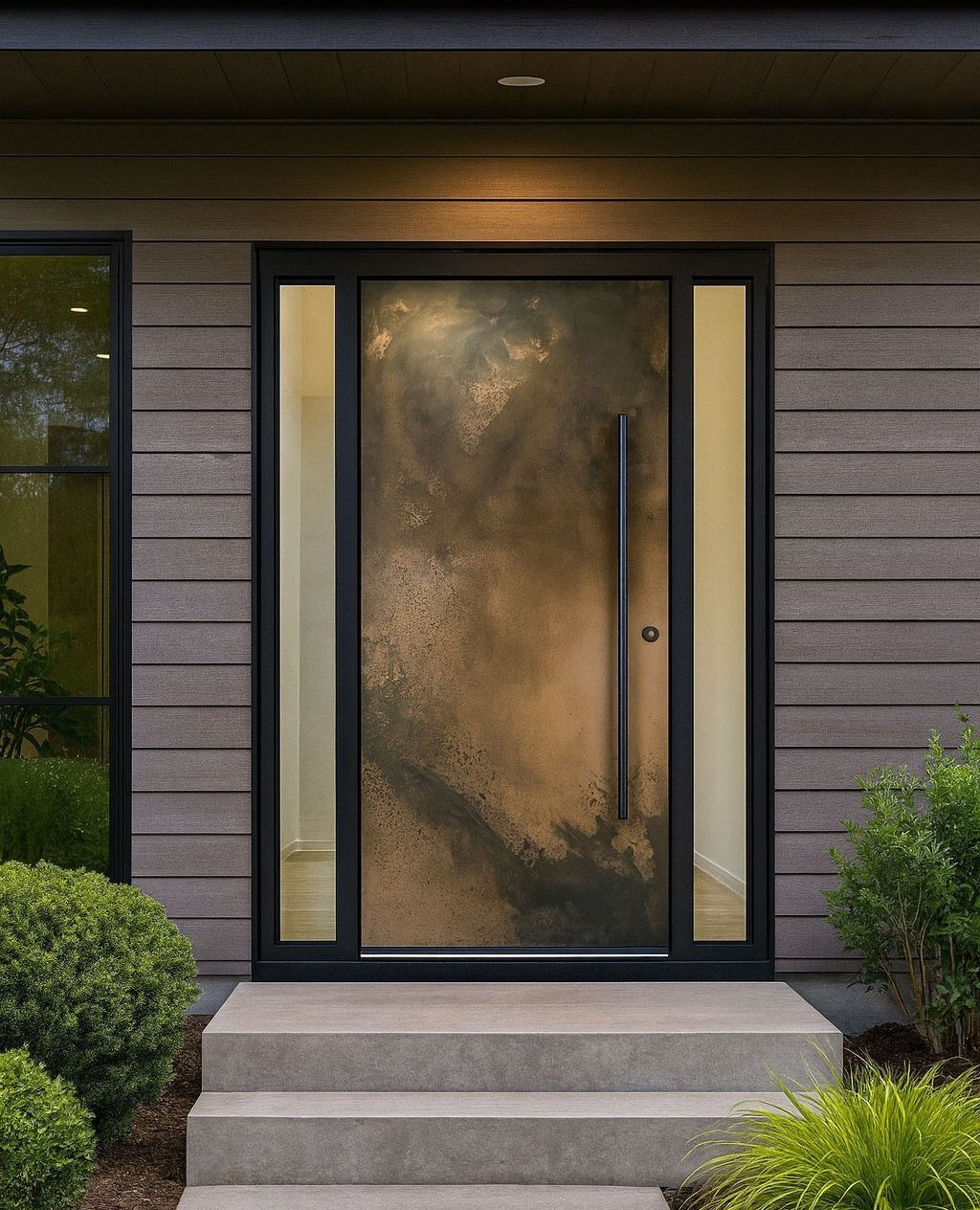
When architects and developers seek to make a lasting visual statement, few material choices carry the same gravitas as brass copper bronze finishes. These three metals share a warm, luminous character that has defined prestige architecture for centuries, yet they remain as relevant today as ever in high-end commercial and residential projects. Whether applied to exterior cladding panels, grand entrance doors, decorative mullions, or custom facade systems, brass copper bronze finishes communicate permanence, craftsmanship, and intentional luxury in a way that synthetic alternatives simply cannot replicate.
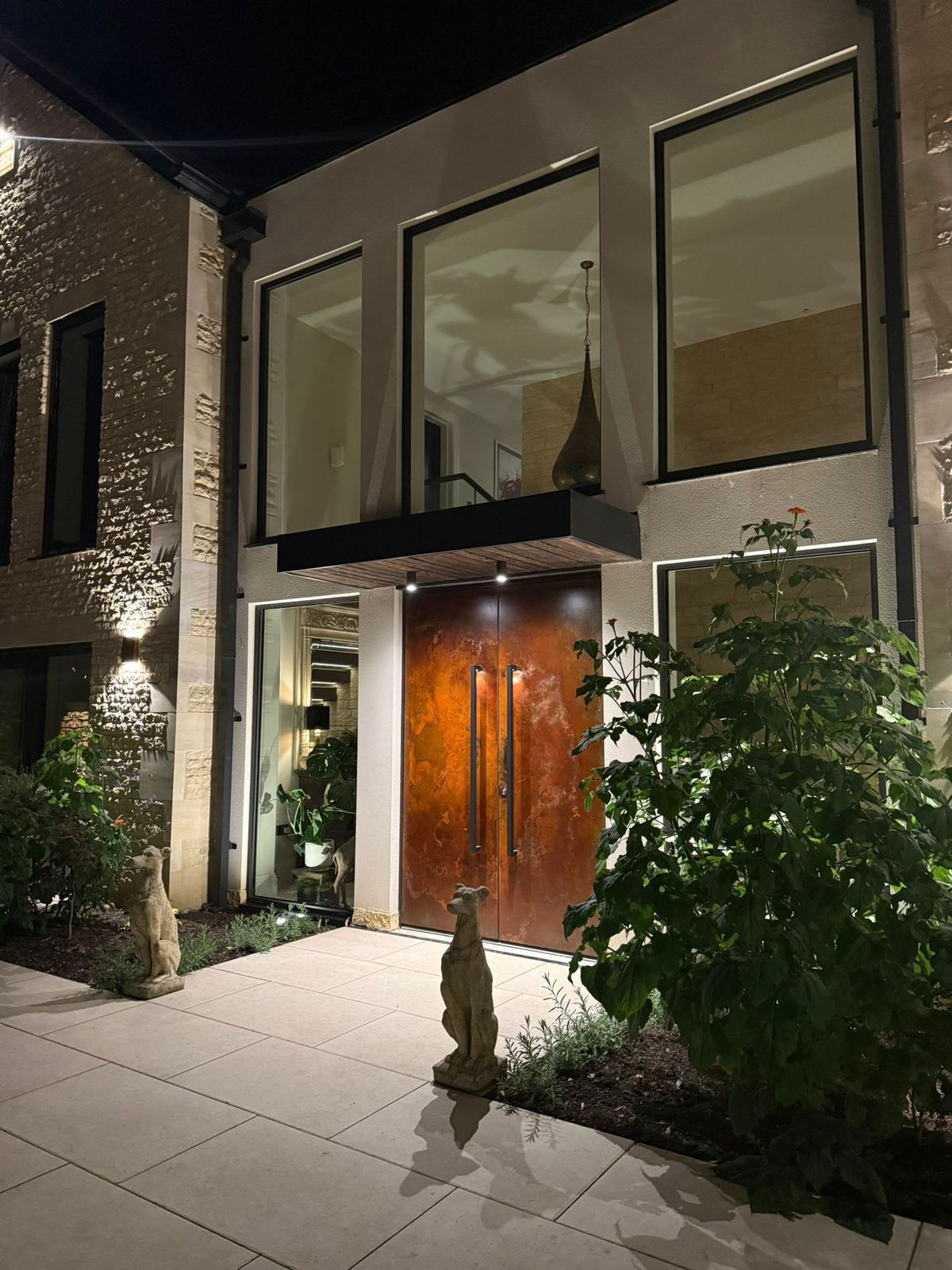
Understanding how to specify and apply brass copper bronze finishes on custom facades requires more than aesthetic preference. It demands knowledge of alloy properties, surface treatment options, weathering behavior, and structural integration logic. This article explores the full landscape of luxury metallic facade finishes so that design professionals, developers, and procurement specialists can make informed decisions that result in beautiful, durable, and architecturally coherent building envelopes.
The Distinction Between Brass, Copper, and Bronze in Facade Applications
Alloy Composition and Its Visual Impact
At the core of any discussion about brass copper bronze finishes is a clear understanding of what each metal actually is. Copper is a pure elemental metal with a distinctive reddish-orange hue that weathers into the iconic blue-green patina recognized worldwide. Brass is an alloy of copper and zinc, producing a brighter, yellower tone that reads as more golden under natural light. Bronze, traditionally an alloy of copper and tin with occasional additions of aluminum or silicon, offers a deeper, earthier warmth with exceptional corrosion resistance.
Each of these metals responds differently to light, environmental exposure, and surface treatment, which is precisely what makes the category of brass copper bronze finishes so rich for facade design. The zinc content in brass brightens the surface and shifts it toward gold. The tin content in bronze deepens the color and adds durability. Pure copper provides the most dynamic weathering story of all three, evolving visibly over decades of exposure to rain, humidity, and urban air chemistry.
For facade designers, the choice between these alloys is not purely aesthetic. It is also a technical decision tied to the building's environment, maintenance expectations, and longevity requirements. Projects in coastal environments, for example, may favor silicon bronze for its superior salt-air resistance, while interior-facing decorative facades might lean toward polished brass for maximum visual drama with controlled patination management.
Surface Appearance Across Different Finish States
One of the defining characteristics of brass copper bronze finishes is that none of these metals present a single static appearance. They exist across a wide spectrum of surface states, from mirror-polished and satin to brushed, antiqued, and fully patinated. A mirror-polished brass facade panel reflects its surroundings with the warmth of gold, making a building appear larger and more luminous. A brushed bronze surface absorbs light directionally, creating a textured, matte depth that feels more tactile and grounded.
The choice of finish state also has significant maintenance implications. Highly polished brass copper bronze finishes require regular care to preserve their luster in exterior conditions, while pre-patinated or chemically treated surfaces are designed to reach a stable, low-maintenance state faster. Specifiers working on projects with limited ongoing maintenance budgets often select pre-aged finishes precisely because they eliminate the transitional weathering phase that can look inconsistent during early years of installation.
Custom Facade Design Possibilities with Metallic Alloy Finishes
Architectural Cladding Panels and Curtain Wall Integration
The application of brass copper bronze finishes to large-scale facade cladding is one of the most impactful uses of these materials in contemporary architecture. Sheet metal panels fabricated from copper or brass alloys can be formed, perforated, pressed, or textured to create complex visual patterns across entire building elevations. When used in curtain wall systems, these metallic panels interact with the glazing behind them to produce a layered visual depth that changes dramatically throughout the day as lighting conditions shift.
Custom fabrication is central to this design approach. Unlike standardized cladding systems, projects using brass copper bronze finishes typically require bespoke panel profiles, custom joinery details, and precise color matching across large surface areas. This level of customization is achievable with modern CNC fabrication and waterjet cutting technology, which can translate intricate architectural drawings into precisely manufactured metal facade components with consistent alloy composition and finish quality.
Thermal movement must also be engineered into any large-format brass copper bronze finishes facade system. These metals expand and contract with temperature changes, and fixings, joints, and panel overlaps must accommodate this movement without telegraphing stress through the finished surface. Experienced metal facade engineers build movement allowances directly into the fixing and substructure design so that the final installation remains visually pristine through decades of seasonal temperature cycling.
Entrance Doors and High-Touch Architectural Elements
Perhaps the most intimate application of brass copper bronze finishes in custom facades is the grand entrance door. A fully brass or bronze door system is the architectural equivalent of a handshake — it is the first physical contact a visitor has with a building, and its tactile and visual quality sets expectations for everything that follows. A well-crafted all-brass door communicates institutional permanence, luxury hospitality, or high-end residential prestige depending on the design language employed.
Modern all-brass door systems have evolved far beyond simple decorative cladding over a steel core. Sophisticated fabrication now allows for structural brass frames, integrated smart glass panels, concealed hardware, and flush surface treatment that maintains the purity of the metallic finish across the entire door face. You can explore a compelling example of this approach at brass copper bronze finishes realized in fully customized all-brass door systems with smart glass integration, combining the timeless warmth of brass alloy with contemporary glazing technology.
Beyond doors, brass copper bronze finishes appear throughout high-specification facade programs in the form of window surrounds, column cladding, canopy soffits, signage bases, and decorative grilles. Each of these elements benefits from the same alloy selection, finish treatment, and fabrication precision principles that govern the larger cladding panels. Consistency of finish across all metallic elements in a facade is critical to achieving the unified, luxury result that clients and architects demand.
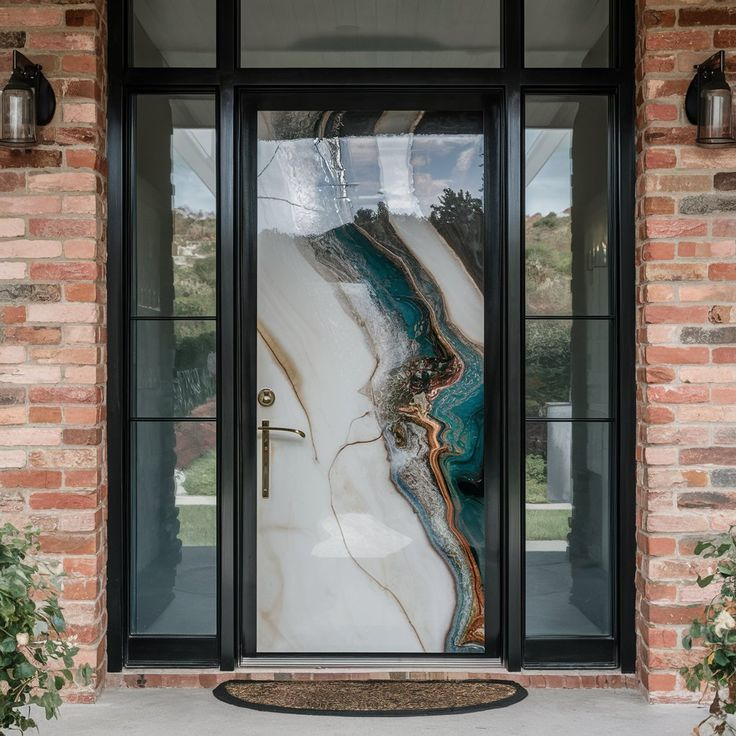
Weathering, Patination, and Long-Term Finish Management
Natural Weathering Timelines and Color Evolution
One of the most misunderstood aspects of brass copper bronze finishes in exterior facade applications is the weathering timeline. Raw copper, for example, begins as a bright salmon-pink and gradually darkens through brown and chocolate tones over one to three years before eventually developing the verdigris patina that defines its mature appearance. This process can take anywhere from five to twenty-five years depending on climate, rainfall chemistry, and surface orientation.
Architects and clients who specify natural-weathering brass copper bronze finishes must be prepared for this transitional phase and communicate it clearly in project documentation. Buildings photographed during the intermediate weathering period may not reflect the intended design vision, which is why many luxury facade projects now specify chemically accelerated patination applied in the factory before installation. This approach delivers a stable, predetermined finish color from day one while still carrying the authenticity of genuine metallic material.
Brass and bronze weather more slowly and less dramatically than pure copper. Their alloy composition moderates the oxidation process, producing a gradual deepening and tonal shift that many designers find aesthetically desirable. The darkening of brass copper bronze finishes over time adds richness and character to a building's appearance in a way that mimics aged materials in traditional architecture, lending even new constructions a sense of established permanence.
Protective Coatings and Maintenance Protocols
For projects where the initial polished or satin appearance of brass copper bronze finishes must be preserved long-term, protective clear coating systems are applied over the base metal finish. These coatings — typically polyurethane, lacquer, or fluoropolymer systems — create a barrier against oxidation, UV exposure, and airborne pollutants. When properly specified and applied, high-quality clear coatings can maintain the as-fabricated appearance of exterior metallic finishes for ten to twenty years with appropriate maintenance.
Maintenance protocols for protected brass copper bronze finishes generally involve periodic cleaning with pH-neutral detergents, inspection of coating integrity, and targeted recoating in areas of mechanical damage or UV degradation. For interior or semi-exterior applications, the maintenance burden is significantly lower, making polished and satin brass copper bronze finishes more practical in entrance lobbies, atrium facades, covered walkways, and sheltered commercial frontages.
Specifying Custom Brass Copper Bronze Facade Systems
Working with Fabricators on Custom Alloy and Finish Selection
Specifying brass copper bronze finishes for a custom facade project is a collaborative process that begins early in the design development phase. Architects and interior designers work with specialist metal fabricators to define the precise alloy composition, surface treatment method, dimensional tolerances, and fixing system for each element. This early engagement is essential because slight variations in alloy content can shift the visual character of brass copper bronze finishes significantly, and it is far more efficient to align on these parameters before fabrication commences than to manage costly remakes.
Sample production is a critical phase in custom facade specification. Most fabricators will produce full-scale finish samples for client and architect approval before committing to production runs. These samples should be reviewed under the actual lighting conditions of the installation site where possible, because the appearance of brass copper bronze finishes shifts dramatically between artificial showroom lighting and natural daylight with its associated reflections and shadows.
Coordination with structural engineers and facade consultants is also essential. Brass copper bronze finishes applied to structural elements require careful design of fixings, sub-frames, and isolation details to prevent galvanic corrosion where dissimilar metals come into contact. Stainless steel fixings are typically specified in direct contact with copper alloy panels, with neoprene or EPDM isolation gaskets used where aluminum substructures are employed.
Lead Times, Logistics, and Project Planning Considerations
Custom brass copper bronze finishes facade systems have longer lead times than standard aluminum or steel cladding systems due to the bespoke nature of alloy sourcing, surface treatment, and quality control processes. Typical lead times for complex custom brass or bronze facade elements range from eight to twenty weeks depending on the scope, finish complexity, and fabricator capacity. Project managers must account for this in procurement schedules to avoid delaying critical path facade installation activities.
Packaging and handling of brass copper bronze finishes products also requires specialized attention. These metals are susceptible to surface damage during transit, and scratches or dents on polished or satin surfaces can be costly to repair in the field. Reputable fabricators use interleaved protective film, custom timber crating, and foam padding systems to deliver brass copper bronze finishes elements in pristine condition to site. Site teams must follow established unpackaging and handling protocols to maintain finish integrity through installation.
FAQ
What makes brass copper bronze finishes suitable for exterior facades in harsh climates?
These metals are inherently corrosion-resistant due to their alloy chemistry. Copper and its alloys form a protective oxide layer that significantly slows further oxidation. In coastal, industrial, or high-humidity environments, alloy selection can be optimized — silicon bronze, for example, offers outstanding salt-air resistance. Additional protective coatings and proper detailing that prevents moisture trapping further enhance performance in challenging climates, making brass copper bronze finishes a technically sound choice well beyond their visual appeal.
Can brass copper bronze finishes be applied to facades alongside glass curtain wall systems?
Yes, and this combination is increasingly popular in high-end commercial and hospitality architecture. Metal panels in brass copper bronze finishes are commonly integrated as spandrel elements, framing systems, column covers, and entrance surrounds within glass-dominated curtain wall elevations. The warmth of these metallic finishes creates a powerful visual contrast with the cool transparency of glazing. Modern smart glass integration with all-brass door systems is a particularly compelling example of this design direction, delivering both aesthetic richness and functional performance.
How are custom brass copper bronze finishes specified to ensure color consistency across large facade areas?
Color consistency in brass copper bronze finishes across large facade areas is achieved through strict alloy specification, batch-controlled surface treatments, and controlled factory finishing processes. Architects typically define finish requirements using physical samples approved during the design phase, with fabricators required to match those samples within agreed tolerances throughout production. For patinated or chemically treated finishes, process control documentation ensures that the same chemical treatments, concentrations, and application durations are applied uniformly across all production batches.
What is the typical maintenance requirement for polished brass or bronze exterior facade elements?
Polished brass copper bronze finishes on exterior facades protected with clear coatings typically require biannual cleaning with mild pH-neutral detergents and periodic coating inspection. Any areas showing coating degradation or mechanical damage should be addressed promptly to prevent oxidation of the underlying metal. Unprotected natural-weathering finishes require very little maintenance since their patination is intentional, though periodic rinsing to remove pollutant deposits is beneficial. Interior or semi-exterior polished brass elements require lighter cleaning protocols and may retain their finish for many years without recoating.
Table of Contents
- The Distinction Between Brass, Copper, and Bronze in Facade Applications
- Custom Facade Design Possibilities with Metallic Alloy Finishes
- Weathering, Patination, and Long-Term Finish Management
- Specifying Custom Brass Copper Bronze Facade Systems
-
FAQ
- What makes brass copper bronze finishes suitable for exterior facades in harsh climates?
- Can brass copper bronze finishes be applied to facades alongside glass curtain wall systems?
- How are custom brass copper bronze finishes specified to ensure color consistency across large facade areas?
- What is the typical maintenance requirement for polished brass or bronze exterior facade elements?