 EN
EN

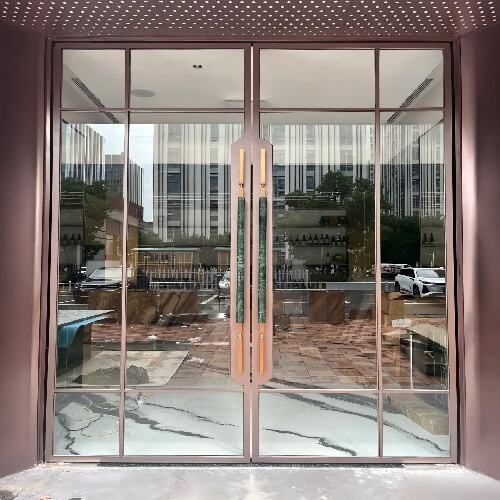
Coastal construction projects face unique environmental challenges that demand materials capable of withstanding harsh marine conditions. Salt-laden air, constant moisture exposure, and fluctuating temperatures create an aggressive environment that can rapidly deteriorate conventional building materials. Stainless steel profiles have emerged as the premier solution for coastal applications, offering unmatched durability and performance characteristics that make them indispensable for waterfront developments, marine structures, and seaside architectural projects.
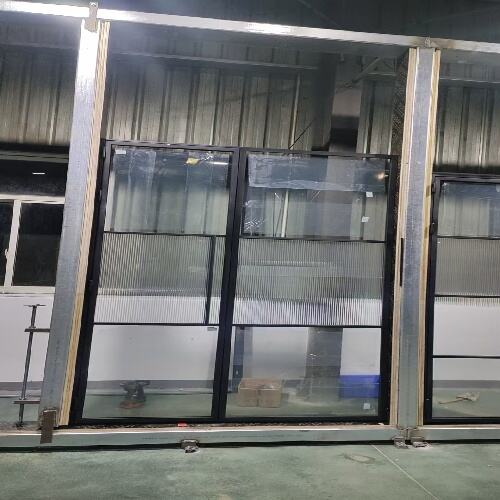
The marine environment presents a complex matrix of corrosive factors that can compromise structural integrity over time. Understanding why stainless steel profiles excel in these conditions requires examining their metallurgical properties and how they interact with coastal atmospheric conditions. These specialized steel products undergo precise manufacturing processes that create uniform cross-sections with enhanced resistance to environmental stressors.
Superior Corrosion Resistance in Marine Environments
Chromium Content and Passive Layer Formation
The exceptional corrosion resistance of stainless steel profiles stems from their chromium content, typically ranging from 10.5% to 30% depending on the grade selected. When exposed to oxygen, chromium forms a thin, invisible passive layer on the surface that acts as a protective barrier against corrosive elements. This self-healing layer continuously regenerates when damaged, providing long-term protection against salt spray and moisture penetration.
In coastal applications, this passive layer becomes particularly crucial as it prevents the formation of rust and corrosion that would otherwise compromise structural integrity. The molecular structure of this protective coating maintains its effectiveness even under constant exposure to chloride ions present in sea air, making stainless steel profiles ideal for projects located within proximity to ocean environments.
Salt Spray Resistance and Chloride Attack Prevention
Chloride ions represent one of the most aggressive corrosive agents in coastal environments, capable of penetrating traditional protective coatings and initiating pitting corrosion. Stainless steel profiles demonstrate exceptional resistance to chloride-induced corrosion through their alloyed composition, which includes nickel and molybdenum additions that enhance their performance in marine atmospheres.
Laboratory testing and field exposure studies consistently demonstrate that properly selected stainless steel profiles maintain their structural properties even after decades of exposure to salt-laden environments. This resistance translates directly into reduced maintenance requirements and extended service life for coastal construction projects, providing significant economic advantages over the project lifecycle.
Structural Performance and Load-Bearing Capabilities
High Strength-to-Weight Ratio Benefits
Modern stainless steel profiles offer exceptional strength-to-weight ratios that enable efficient structural designs while minimizing foundation requirements. This characteristic proves particularly valuable in coastal projects where soil conditions may be challenging due to high water tables or sandy substrates. The reduced dead load requirements allow for more economical foundation systems while maintaining structural performance.
The manufacturing process for stainless steel profiles creates uniform cross-sections with predictable mechanical properties, enabling precise structural calculations and reliable performance under design loads. These profiles maintain their load-bearing capacity throughout their service life, unlike materials that may experience degradation due to environmental exposure.
Seismic Performance and Ductility Characteristics
Coastal regions often experience seismic activity, making the ductility and energy absorption characteristics of building materials critical for structural safety. Stainless steel profiles exhibit excellent ductile behavior under dynamic loading conditions, allowing structures to deform without sudden failure during seismic events.
The work-hardening characteristics of stainless steel contribute to improved seismic performance by providing additional strength capacity as the material undergoes plastic deformation. This behavior creates a safety margin that helps protect occupants and preserve structural integrity during extreme loading events common in coastal environments.
Economic Advantages and Lifecycle Cost Analysis
Reduced Maintenance Requirements
The inherent corrosion resistance of stainless steel profiles dramatically reduces maintenance requirements compared to conventional steel or aluminum alternatives. While the initial material cost may be higher, the elimination of regular painting, protective coating renewal, and corrosion repair activities creates substantial savings over the project lifecycle.
Maintenance scheduling for coastal structures using stainless steel profiles can be extended significantly, reducing disruption to facility operations and minimizing the environmental impact associated with maintenance activities. This advantage becomes particularly valuable for offshore structures or remote coastal installations where maintenance access is challenging and expensive.
Extended Service Life and Asset Value Retention
Stainless steel profiles typically provide service lives exceeding 50 years in marine environments when properly specified and installed. This extended service life translates directly into improved return on investment calculations and enhanced asset values for coastal development projects. The materials retain their structural and aesthetic properties throughout their service life, maintaining property values and functionality.
Lifecycle cost analyses consistently demonstrate that the total cost of ownership for stainless steel profiles in coastal applications often proves lower than alternatives when maintenance, replacement, and downtime costs are considered. This economic advantage becomes more pronounced in aggressive marine environments where conventional materials experience accelerated degradation.
Design Flexibility and Architectural Applications
Fabrication Capabilities and Custom Profiles
Modern manufacturing techniques enable the production of custom stainless steel profiles that meet specific architectural and structural requirements. Roll forming, extrusion, and fabrication processes can create complex cross-sections that optimize material distribution for specific loading conditions while maintaining aesthetic appeal.
The workability of stainless steel allows for field modifications and adjustments during construction, providing flexibility that accommodates design changes or site conditions. This adaptability proves valuable in coastal projects where environmental factors may require design adjustments during construction phases.
Surface Finishes and Aesthetic Considerations
Stainless steel profiles offer numerous surface finish options that enhance their aesthetic appeal while providing additional protection against environmental exposure. Brushed, polished, and textured finishes create visual interest while maintaining the corrosion resistance properties essential for coastal applications.
The natural appearance of stainless steel profiles complements contemporary architectural styles commonly found in coastal developments. The material ages gracefully, developing a subtle patina that enhances rather than detracts from its appearance over time, unlike painted surfaces that may require frequent renewal to maintain their visual appeal.
Environmental Sustainability and Green Building Benefits
Recyclability and Material Lifecycle
Stainless steel profiles contribute to sustainable construction practices through their exceptional recyclability and long service life. The material can be recycled indefinitely without degradation of its properties, creating a closed-loop material cycle that reduces environmental impact. This characteristic aligns with green building certification requirements and sustainability goals common in modern coastal development projects.
The reduced maintenance requirements and extended service life of stainless steel profiles minimize the environmental impact associated with material replacement and maintenance activities. This advantage becomes particularly important in sensitive coastal ecosystems where construction activities must be minimized to protect marine environments.
Energy Efficiency and Thermal Performance
Properly designed stainless steel profiles can incorporate thermal break technologies that enhance the energy efficiency of building envelope systems. These thermal barriers reduce heat transfer through the profile, improving overall building performance and reducing energy consumption for heating and cooling systems.
The thermal properties of stainless steel profiles remain stable throughout their service life, ensuring consistent energy performance over time. This stability contrasts with materials that may experience degradation of insulation properties due to moisture intrusion or environmental exposure common in coastal environments.
Installation Considerations and Best Practices
Compatibility with Other Materials
Successful implementation of stainless steel profiles in coastal projects requires careful consideration of material compatibility to prevent galvanic corrosion. Proper isolation techniques and compatible fastening systems ensure that the corrosion resistance of stainless steel profiles is not compromised by contact with dissimilar metals.
Selection of appropriate stainless steel grades must consider the specific environmental conditions and design requirements of each project. Marine-grade stainless steel profiles with enhanced molybdenum content provide superior performance in aggressive coastal environments, while standard grades may suffice for less demanding applications.
Quality Control and Specification Requirements
Proper specification of stainless steel profiles requires understanding of the various grades available and their performance characteristics in marine environments. Quality control measures during manufacturing and installation ensure that the profiles meet specified requirements and provide expected performance throughout their service life.
Certification and testing requirements for stainless steel profiles in coastal applications may include salt spray testing, mechanical property verification, and chemical composition analysis. These quality assurance measures provide confidence in material performance and help prevent premature failure due to specification errors or manufacturing defects.
FAQ
What grade of stainless steel profiles is best for coastal applications
For most coastal applications, Grade 316 or 316L stainless steel profiles are recommended due to their enhanced molybdenum content, which provides superior corrosion resistance against chloride attack. In extremely aggressive marine environments, such as splash zones or areas with high salt spray exposure, duplex stainless steel grades like 2205 may be preferred for their exceptional strength and corrosion resistance properties.
How do stainless steel profiles compare to aluminum in coastal environments
While aluminum offers good corrosion resistance and lighter weight, stainless steel profiles provide superior long-term performance in marine environments. Stainless steel maintains its strength and appearance better over time, requires less maintenance, and offers greater structural capacity. Aluminum may experience pitting corrosion in aggressive coastal environments and typically requires protective coatings that need periodic renewal.
What is the expected service life of stainless steel profiles in coastal projects
Properly specified and installed stainless steel profiles can provide service lives exceeding 50 years in coastal environments, with many installations lasting 75-100 years or more. The actual service life depends on the specific grade selected, environmental exposure conditions, and maintenance practices. This extended service life significantly exceeds that of conventional materials in similar applications.
Are there special installation requirements for stainless steel profiles in coastal areas
Installation of stainless steel profiles in coastal areas requires attention to material compatibility, proper fastening systems, and isolation from dissimilar metals to prevent galvanic corrosion. Stainless steel fasteners should be used, and contact with carbon steel or aluminum should be avoided unless proper isolation is provided. Proper drainage details are essential to prevent standing water that could compromise performance over time.
Table of Contents
- Superior Corrosion Resistance in Marine Environments
- Structural Performance and Load-Bearing Capabilities
- Economic Advantages and Lifecycle Cost Analysis
- Design Flexibility and Architectural Applications
- Environmental Sustainability and Green Building Benefits
- Installation Considerations and Best Practices
-
FAQ
- What grade of stainless steel profiles is best for coastal applications
- How do stainless steel profiles compare to aluminum in coastal environments
- What is the expected service life of stainless steel profiles in coastal projects
- Are there special installation requirements for stainless steel profiles in coastal areas