 EN

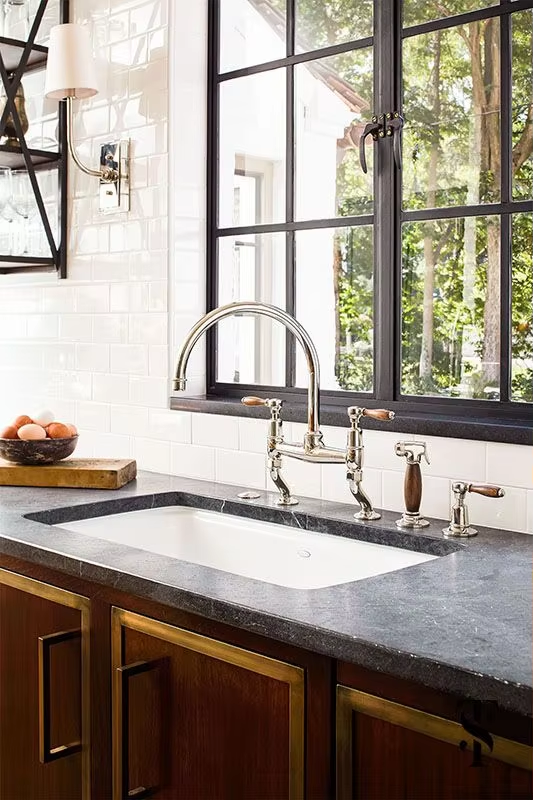
Ordering a mild steel window frame involves more than selecting a size and color. Buyers who invest time confirming critical project details upfront avoid costly delays, mismatches, and performance disappointments later. Whether you're specifying frames for a renovation project, new construction, or commercial installation, understanding what to verify ensures the final product aligns with your structural requirements, aesthetic vision, and operational expectations.
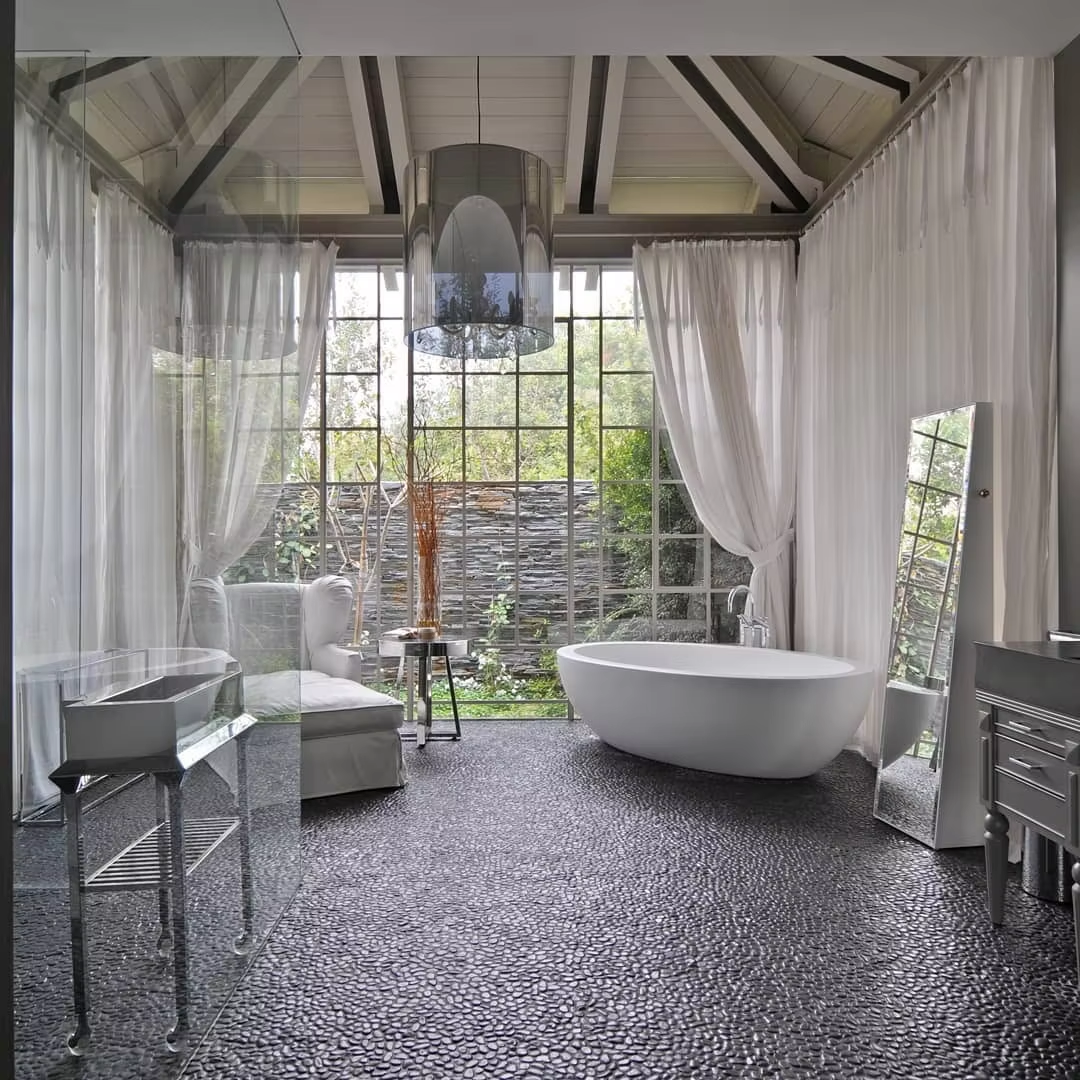
Steel window frames deliver strength, longevity, and design flexibility that many architects and builders prefer for industrial, residential, and institutional applications. However, the quality of your installation outcome depends directly on how thoroughly you define project specifications before placing your order. This guide walks you through the essential project details every buyer should confirm with manufacturers or suppliers before committing to a purchase.
Structural and Dimensional Specifications
Precise Frame Dimensions and Opening Measurements
The foundation of any successful window frame order is accurate dimensional data. Measure your building openings at multiple points—top, middle, and bottom for height; left, center, and right for width—to account for any variations in older structures or uneven walls. Provide manufacturers with both the rough opening dimensions and the finished opening requirements. Clarify whether you need the frame sized to fit within the opening or to span across the full exterior wall dimension. Specify whether the frame should include mounting flanges and their width, as this detail affects how the mild steel window frame integrates with your exterior cladding or masonry.
Load-Bearing and Structural Requirements
Confirm the structural demands your mild steel window frame must support. Will the frame serve in a high-wind location, tall building, or region subject to heavy snow load? Request engineering specifications or ask your supplier about the frame's design pressure rating and structural capacity. Specify the glass thickness and weight the frame must accommodate, and clarify any local building codes that govern steel frame design in your area. For powder coated steel window frames, ensure the coating system itself doesn't compromise the structural integrity under stress testing standards required by your project.
Material Composition and Surface Treatment
Steel Grade and Material Specifications
Not all steel is equal. Confirm the specific steel grade your mild steel window frame uses—whether it meets ASTM specifications, Chinese national standards, or international ISO requirements. Ask whether the steel is virgin material or contains recycled content, and verify that the thickness meets your structural and aesthetic needs. Specify any additional material requirements, such as galvanizing, surface preparation methods, or welding standards. For rust resistant window frame maintenance considerations, clarify whether the base steel receives hot-dip galvanizing, which extends service life significantly compared to bare or minimally treated steel.
Coating System and Durability Standards
Powder coated steel window frames require clear definition of the coating system before manufacturing begins. Specify whether the frame receives epoxy, polyester, or polyurethane powder coating, and confirm the dry film thickness. Ask about adhesion test results, color matching standards, and whether the coating system includes pre-treatment such as chromate conversion or wash primers. Define your expectations for gloss level, UV fade resistance, and salt-spray corrosion testing results if your project is in a coastal or harsh environment. Document the expected maintenance schedule for rust resistant window frame maintenance so end-users understand long-term care obligations.
Installation and Compatibility Details
Thermal Break Window Frame Installation Considerations
If your project requires thermal performance—common in energy-conscious buildings—confirm whether your mild steel window frame includes thermal break technology or whether you need a separate thermal break system installed between frame components. Specify the thermal break material, thickness, and performance requirements such as U-value or R-value targets. Clarify the installation sequence: will the thermal break be factory-installed or assembled on-site? Request details about gasket types, sealant compatibility, and any special handling required during thermal break window frame installation to prevent thermal bridging and condensation issues.
Connection Details and Installation Hardware
Provide your supplier with detailed information about how the mild steel window frame will connect to the building structure. Specify the mounting surface material—whether it's masonry, concrete, wood, or metal—and provide fastener specifications or request the supplier's fastening recommendations. Clarify the location of fastening points and whether you need additional reinforcement plates or brackets. Define the desired depth of the frame's exterior flange for integration with your weather barrier, air sealing strategy, and exterior finish system. Request standard installation tolerance limits and any special sequencing requirements for thermal break window frame installation.
Finishing and Quality Assurance
Surface Finish and Visual Standards
Establish clear visual acceptance criteria for powder coated steel window frames. Confirm the color match method—whether samples will be approved before full production, and specify acceptable tolerance limits for color variation between frames. Define how imperfections such as minor scratches, dust specks, or coating unevenness are handled. Request information about quality control testing, including gloss measurements, adhesion testing via cross-hatch or pull-off methods, and impact resistance documentation. Provide examples or reference images showing your acceptable finish quality level for rust resistant window frame maintenance and aesthetic performance.
Testing, Certification, and Documentation
Request all relevant test certificates and compliance documentation before ordering. Ask whether the mild steel window frame has been tested for air leakage, water resistance, wind load capacity, and sound transmission if your project requires these attributes. Confirm that the supplier provides certified mill test reports for steel material, coating adhesion test results, and any third-party inspection certifications your project or local codes demand. Establish delivery packaging standards to prevent damage during transport, and clarify inspection procedures and damage claim processes if frames arrive with defects.
FAQ
What happens if I don't confirm thermal break window frame installation details before ordering?
Failing to specify thermal break requirements upfront often results in frames arriving without thermal breaks or with incompatible thermal break systems that require costly rework on-site. If your building energy code requires thermal performance, missing this detail can force you to reject frames or undertake expensive retrofitting. Always clarify thermal break window frame installation needs early in your project and get written confirmation from your supplier about how thermal breaks will be integrated.
How do I ensure the powder coated steel window frames won't rust after installation?
Rust resistant window frame maintenance starts with proper specification and continues with ongoing care. Confirm that your supplier uses appropriate pre-treatment, adequate powder coating thickness, and quality materials. For harsh environments, request hot-dip galvanizing beneath the powder coat. Establish a maintenance schedule with property owners that includes regular cleaning to remove salt, dirt, and debris. Document all rust resistant window frame maintenance procedures and coating touch-up protocols to extend the frame's service life.
What dimensional measurements should I provide when ordering a mild steel window frame?
Provide rough opening dimensions measured at multiple points, specify whether you need the frame to fit inside the opening or span the full exterior wall dimension, and clarify the mounting flange width. Include detail drawings showing how the frame connects to surrounding construction, weatherproofing layers, and exterior finishes. Confirm the thickness of the steel and any interior or exterior trim that affects the frame's overall dimensions. Request the supplier to confirm they understand your requirements by providing back a detailed drawing before production begins.