 EN
EN


Choosing the right steel entry door is one of the most critical decisions you'll make when constructing or renovating a residential or commercial building. A steel entry door serves as the primary barrier between your interior and the external environment, making it essential to select one that balances security, durability, energy efficiency, and aesthetic appeal. The steel entry door market offers numerous options, each with distinct advantages depending on your specific building type, climate zone, and functional requirements. Understanding how to evaluate and select the ideal steel entry door will protect your investment and ensure long-term performance.
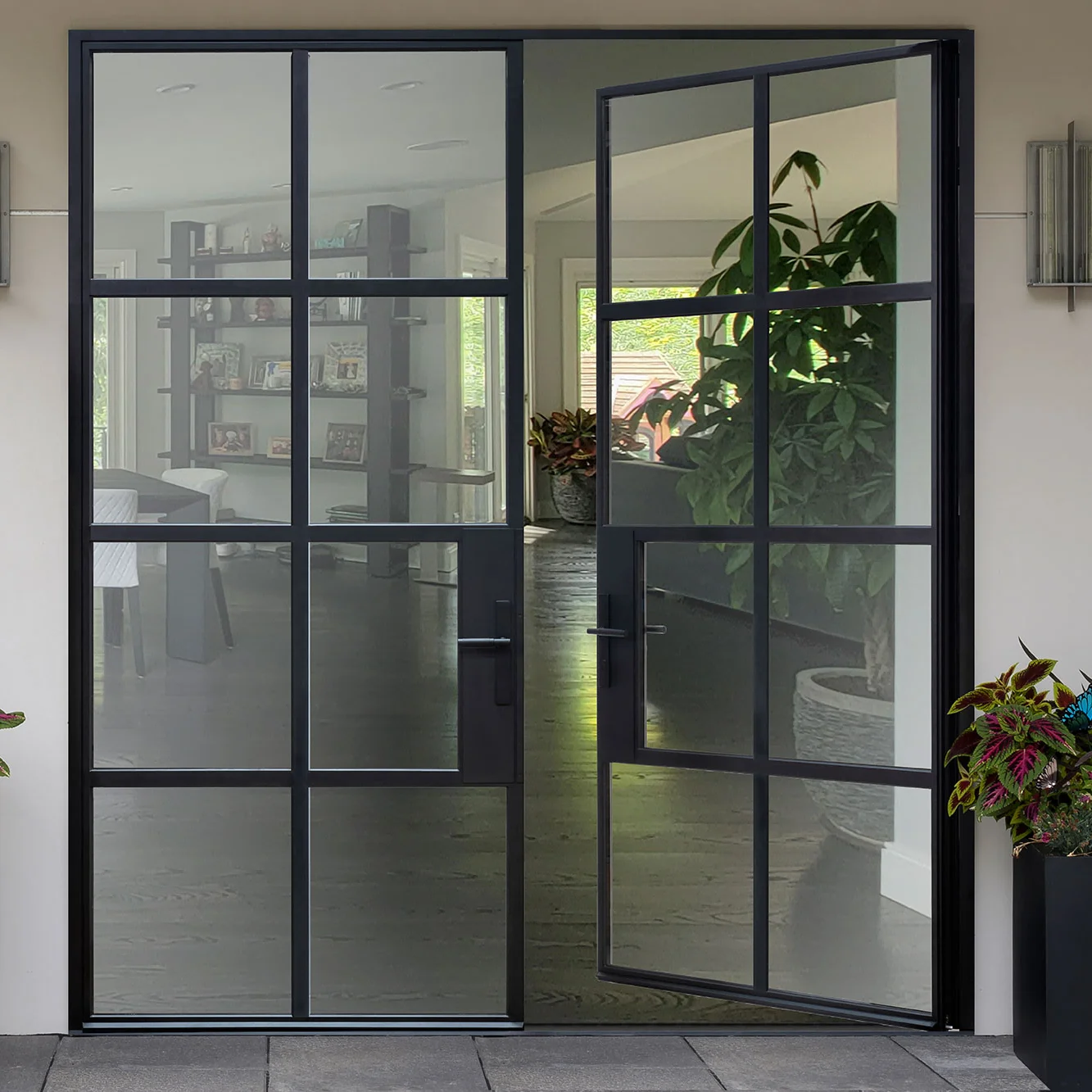
The process of selecting a steel entry door requires careful consideration of multiple factors, from material thickness and frame construction to security features and weatherproofing capabilities. Whether you're installing a steel entry door in a residential home, apartment complex, or commercial facility, the right choice will enhance security, reduce maintenance costs, and provide years of reliable service. This guide walks you through the essential criteria for evaluating and selecting the right steel entry door for your specific application.
Key Performance Factors When Selecting a Steel Entry Door
Material Thickness and Construction Quality
The thickness of steel used in your steel entry door directly impacts its durability, security level, and longevity. Premium steel entry door options typically feature 18-gauge or thicker steel, which provides superior resistance to impact, warping, and forced entry attempts. When evaluating a steel entry door, examine the door core construction—solid steel cores offer better insulation and sound dampening than hollow alternatives. A high-quality steel entry door combines thick outer panels with reinforced internal bracing to create a solid, secure barrier that will withstand years of heavy use in both residential and commercial environments.
Security and Hardware Integration
Security features are paramount when you select the right steel entry door. Look for a steel entry door equipped with multi-point locking mechanisms, reinforced strike plates, and hardened steel hinges that resist tampering and forced entry. The best steel entry door options include integrated security features such as adjustable deadbolts, heavy-duty latches, and tamper-resistant hardware. For commercial applications, consider a steel entry door with certification ratings from recognized security organizations. Your steel entry door should also feature robust weatherstripping around the frame to prevent intrusion through gaps, enhancing both security and energy efficiency simultaneously.
Evaluating Aesthetic and Functional Design Options
Style and Customization Possibilities
Modern steel entry door designs extend far beyond basic utilitarian appearance—today's steel entry door manufacturers offer extensive customization options to match architectural styles and brand identities. When selecting a steel entry door, you can choose from various finishes, including fluorocarbon paint systems that provide superior color retention and weathering resistance. A premium steel entry door can feature decorative glass panels, sidelights, or transom windows that balance security with natural light penetration. For commercial properties, a steel entry door with custom branding, logo integration, or signature design elements elevates the property's visual appeal and brand presence at entry points.
Weather Resistance and Climate Adaptation
Climate conditions heavily influence which steel entry door model best suits your location. In high-moisture environments, select a steel entry door with advanced corrosion protection coatings that prevent rust development and material degradation. A durable steel entry door designed for coastal regions typically includes hot-dip galvanized cores and marine-grade fluorocarbon finishes. For cold climates, your steel entry door should feature thermal breaks and insulated frames to minimize heat loss and condensation. The right steel entry door installation includes proper sealing and weatherstripping to maintain the door's performance integrity regardless of seasonal temperature fluctuations or extreme weather events.
Installation Requirements and Long-Term Maintenance Considerations
Frame Preparation and Professional Installation
Proper installation is critical to maximizing your steel entry door's performance and lifespan. Before installing a steel entry door, ensure the frame opening meets manufacturer specifications and remains square and level. A steel entry door installation requires careful alignment of hinges, locking mechanisms, and weatherstripping to prevent operational issues and energy loss. Professional installation of your steel entry door by certified technicians reduces future problems such as drafts, misalignment, or security compromise. Many commercial properties require certified installation of the steel entry door to maintain warranty coverage and comply with building codes.
Maintenance and Durability Long-Term Value
The appeal of a steel entry door includes its minimal maintenance requirements compared to wood or fiberglass alternatives. A well-maintained steel entry door requires only occasional cleaning and lubrication of locks and hinges to ensure smooth operation. Inspect your steel entry door periodically for paint chips or finish damage, addressing these issues promptly to prevent rust initiation. The long-term durability of a steel entry door—often exceeding 20-30 years—represents excellent return on investment for both residential and commercial property owners. Advanced finish systems on premium steel entry door options include self-healing properties that minimize visible damage from minor impacts or scratches.
FAQ
What makes a steel entry door more secure than other door materials?
A steel entry door provides superior security through its inherent material strength and resistance to penetration attempts. Unlike wood or hollow-core doors, a solid steel entry door cannot be easily kicked in, chopped, or splintered. The dense steel construction of a quality steel entry door, combined with reinforced hinges, multi-point locking systems, and hardened strike plates, creates a formidable barrier against forced entry. Commercial-grade steel entry door options often exceed residential security requirements and meet certification standards for high-security applications.
How does a steel entry door improve energy efficiency in buildings?
Modern steel entry door designs incorporate thermal breaks and insulated cores that significantly reduce heat transfer between interior and exterior spaces. A well-sealed steel entry door with proper weatherstripping prevents air infiltration, which accounts for substantial energy loss in many buildings. The superior insulation properties of a premium steel entry door help maintain stable interior temperatures, reducing heating and cooling system strain. Energy-efficient steel entry door options can lower monthly utility costs by 10-15% compared to poorly insulated alternatives, providing long-term savings that offset initial purchase costs.
Can a steel entry door be customized for specific architectural styles?
Yes, a steel entry door offers extensive customization possibilities to match virtually any architectural aesthetic or design requirement. Contemporary steel entry door manufacturers provide numerous finish options, decorative glass panel configurations, hardware styles, and color selections. A custom steel entry door can incorporate sidelights, transom windows, or integrated lighting fixtures to enhance both functionality and visual appeal. For commercial properties, a branded steel entry door with logo integration or signature design elements strengthens brand recognition and creates professional first impressions at entry points.