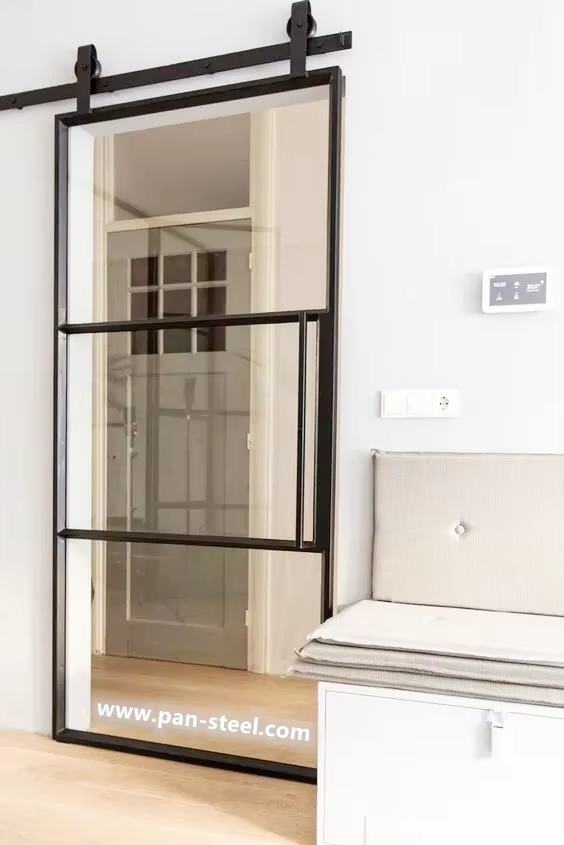
Stainless steel sliding doors improve a building when they solve a real circulation or space-planning problem while supporting its design. Their sliding movement avoids the swing clearance required by hinged doors, while steel framing can create a du...
VIEW MORE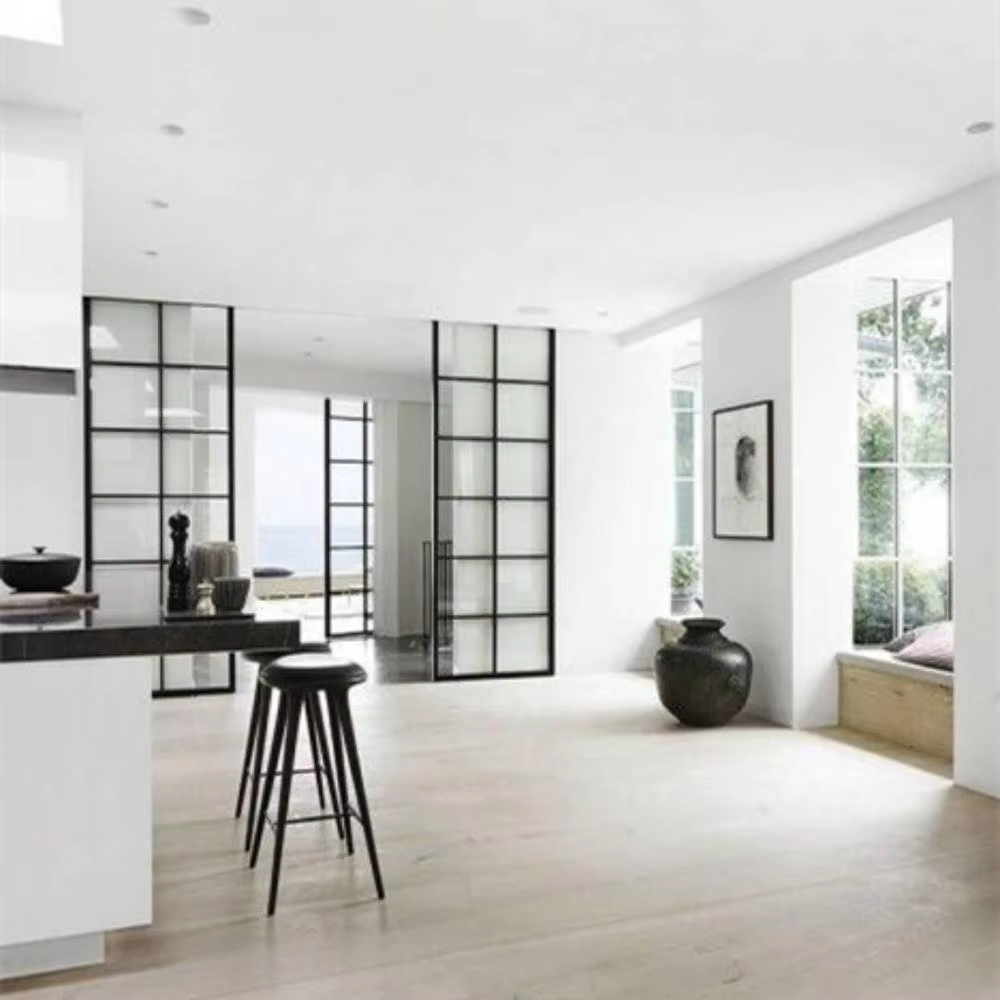
Importers should confirm installation requirements before production and shipment, not after a door arrives at the project site. For stainless steel folding doors, the critical checks cover the opening, supporting structure, panel movement, hardware,...
VIEW MORE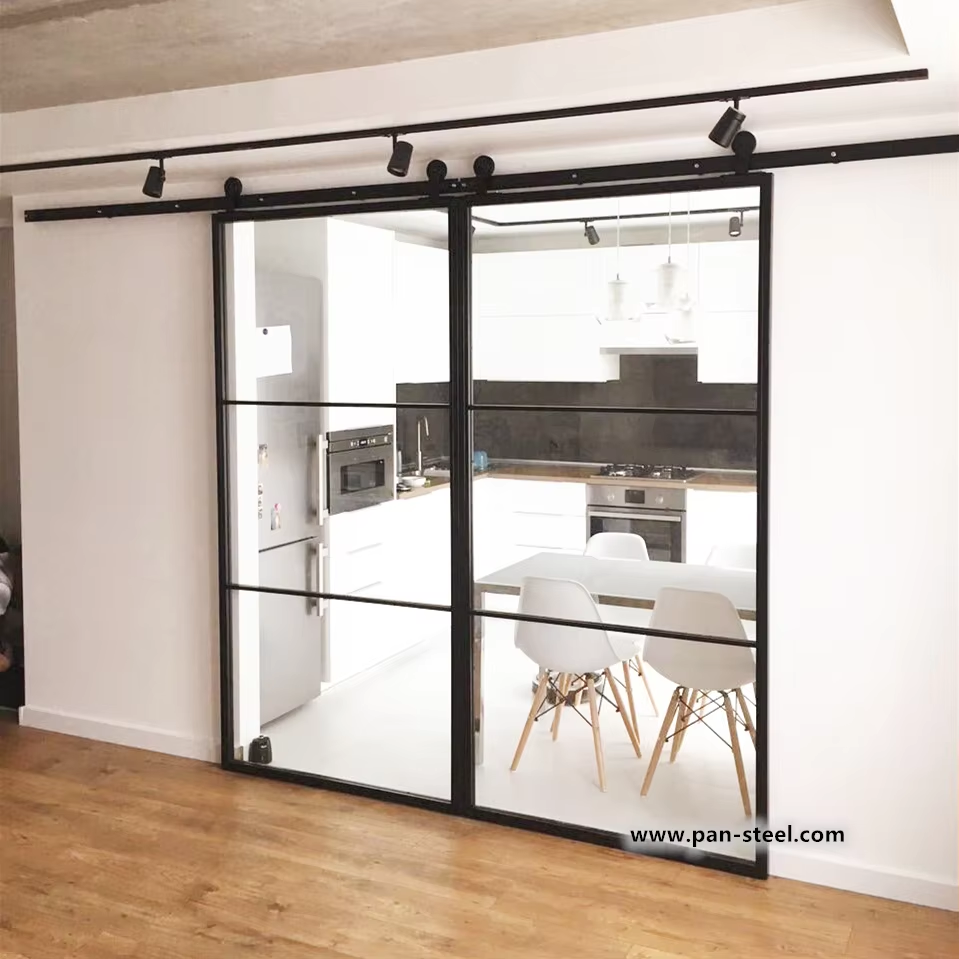
Long-term durability in a building depends on more than choosing a strong door. Stainless steel sliding doors can provide dependable service when their material, track, rollers, seals, and maintenance plan suit the opening and its environment. The sa...
VIEW MORE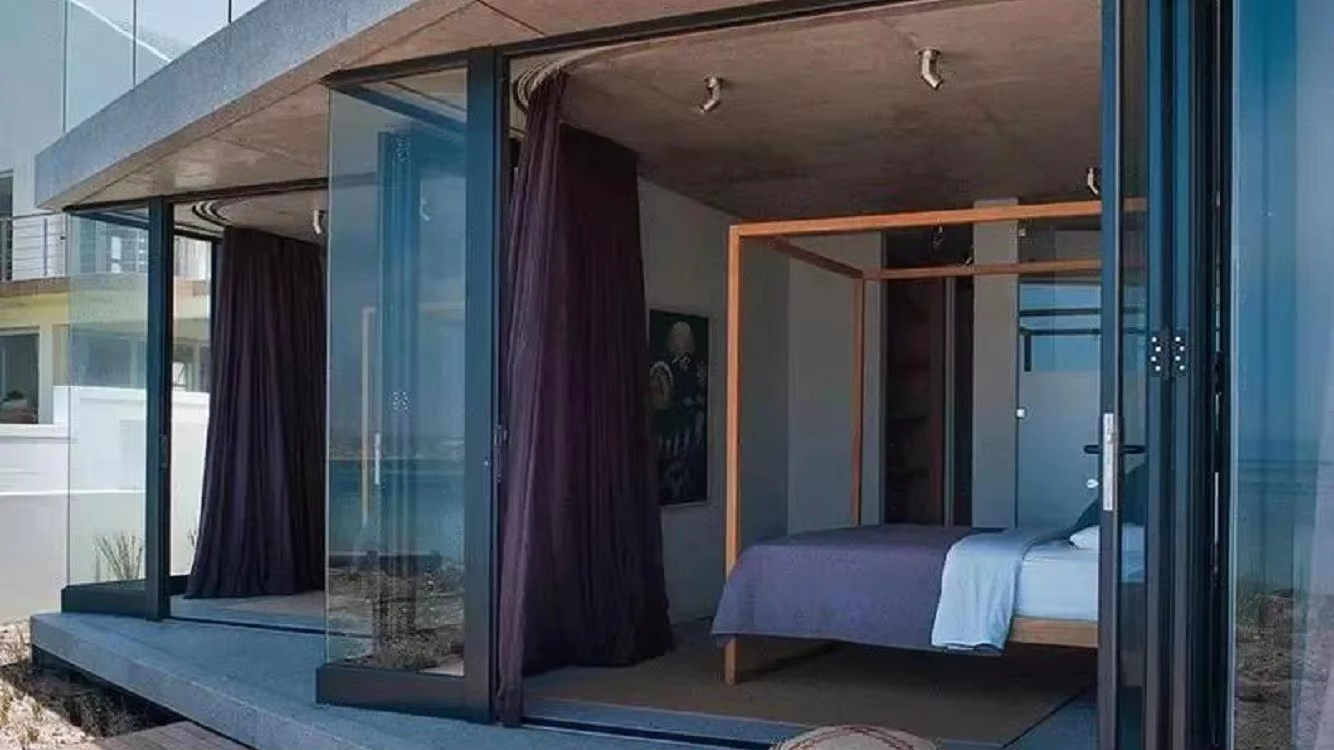
A door can look suitable on a drawing and still cause problems once staff, carts, humidity, or outdoor exposure become part of daily use. When assessing stainless steel sliding doors, buyers should check more than the frame material: operating effort...
VIEW MORE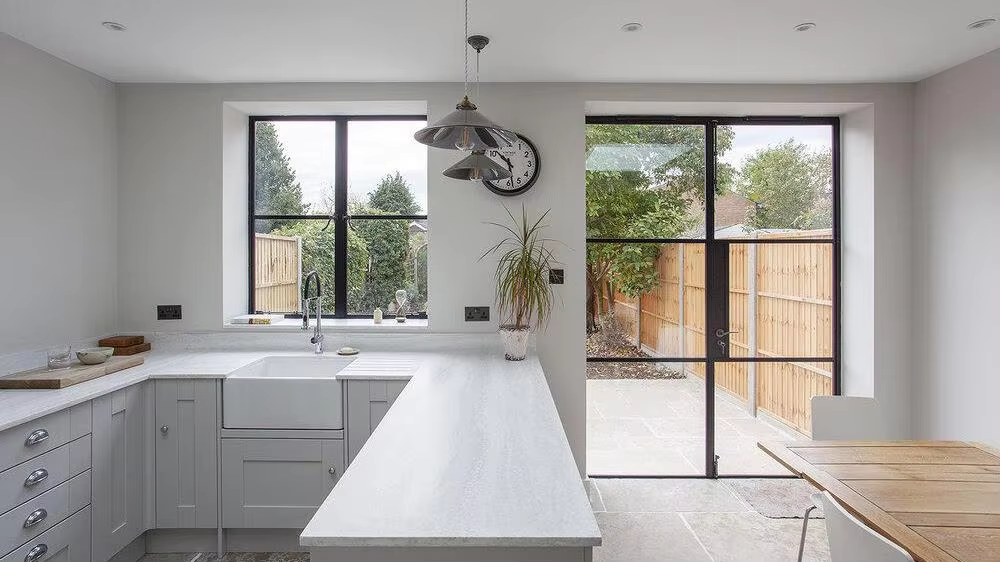
Choosing a track for stainless steel sliding doors starts with the door’s weight, opening pattern, and setting. A system that works well for a quiet office partition may not handle frequent kitchen traffic or outdoor exposure equally well, so m...
VIEW MORE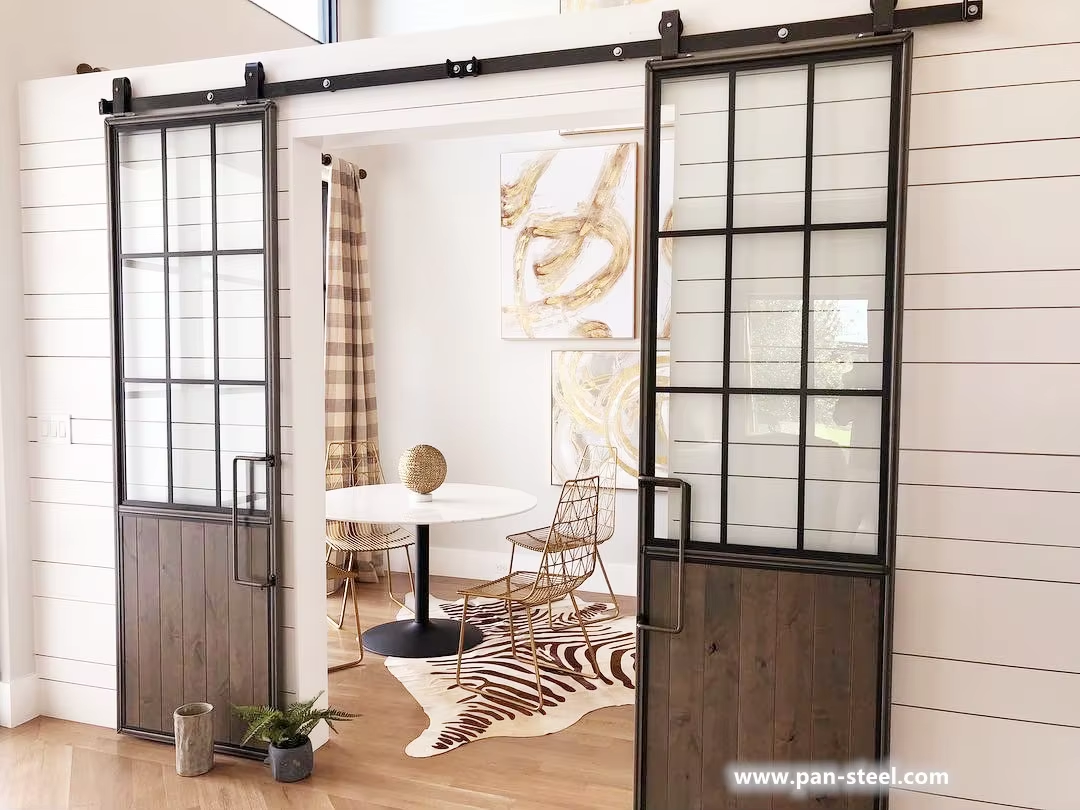
Yes, stainless steel sliding doors can be customized for residential and commercial projects. The right design depends on the opening, traffic pattern, privacy needs, finish, and exposure to moisture or weather. A project may use frameless glass slid...
VIEW MORE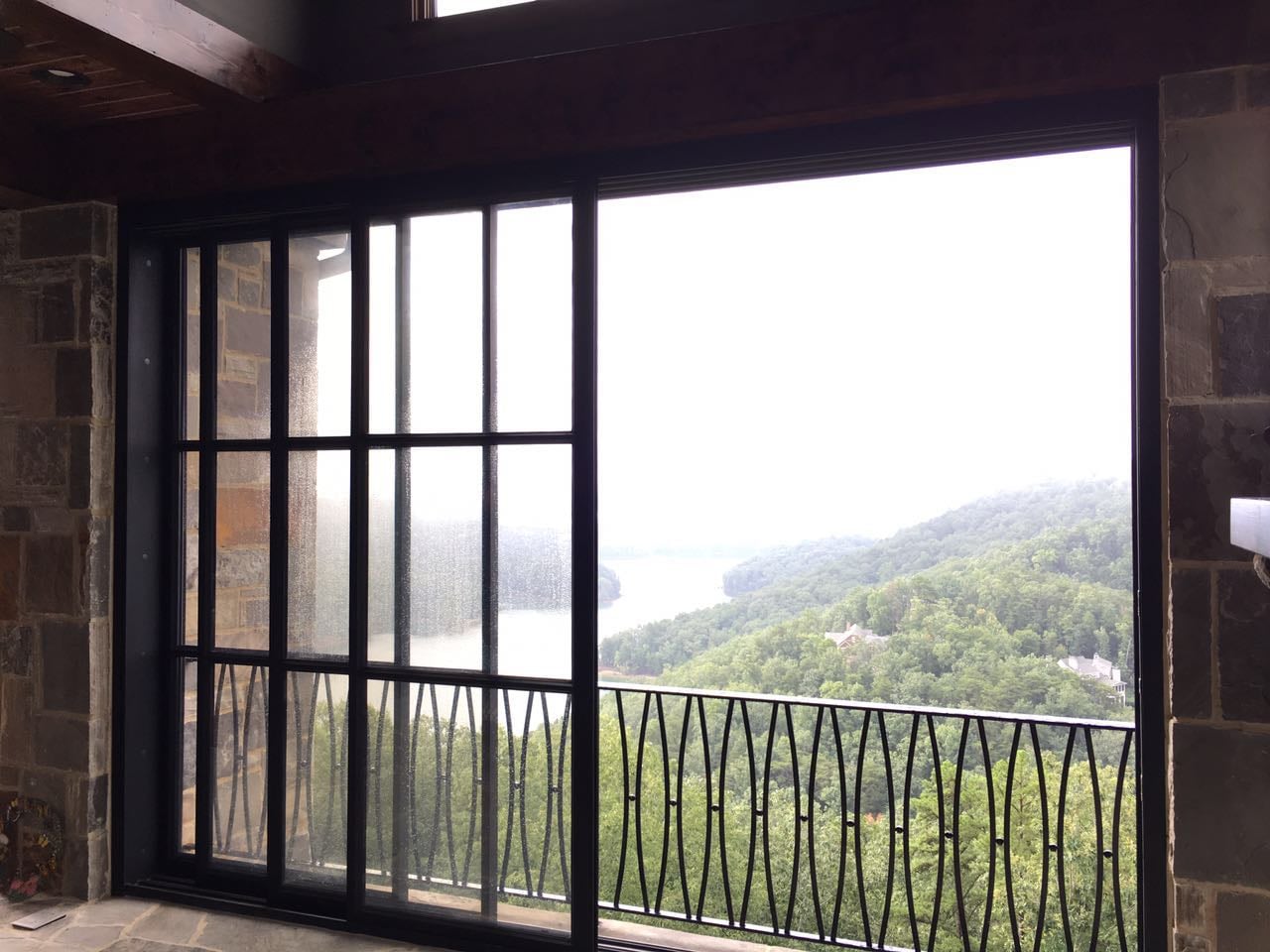
Modern steel window frames can deliver narrow sightlines without relying on fragile sections. Their balance comes from the material’s strength, carefully designed profiles, stable connections, and glass sized for the opening. Understanding thos...
VIEW MORE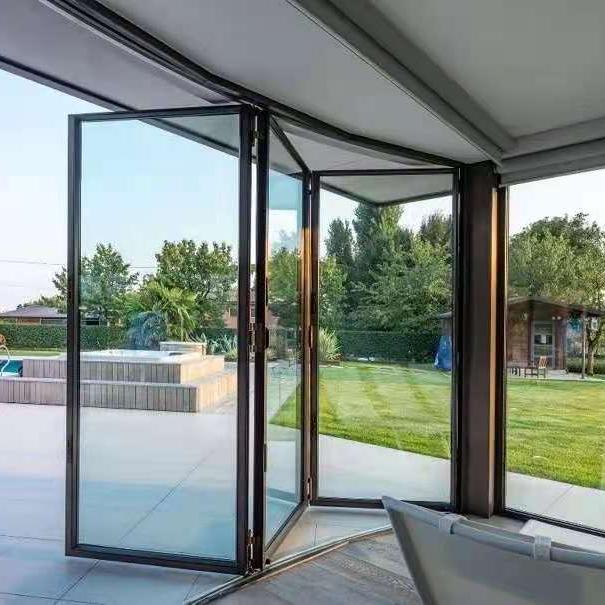
For architects, evaluating sightlines means more than choosing a slim profile. It involves checking what occupants will see from key positions, how much daylight reaches the room, and whether the frame layout supports the elevation. When specifying m...
VIEW MORE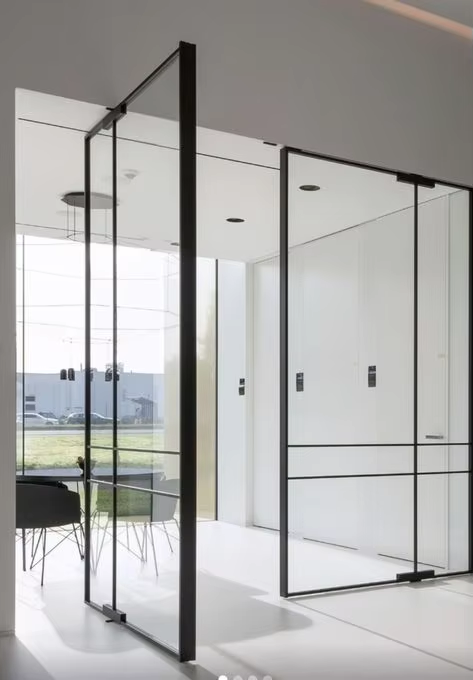
Modern steel window frames can be configured around a project’s proportions, operating needs, and building envelope rather than selected as a fixed, one-size-fits-all unit. Available choices include profile dimensions, thermal performance, glass, fin...
VIEW MORE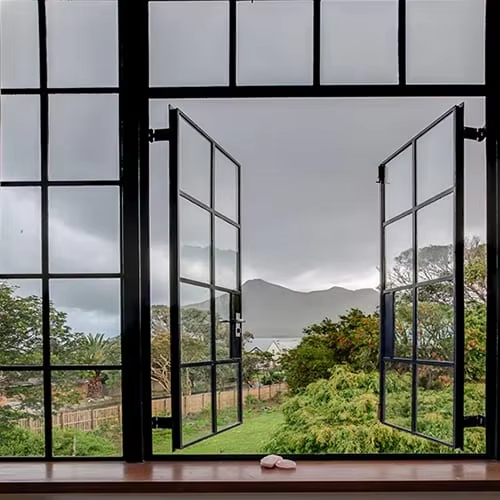
Modern steel window frames can support commercial renovation projects by helping teams address existing openings, updated building-envelope requirements, and architectural goals within one coordinated scope. Their suitability depends on the building,...
VIEW MORE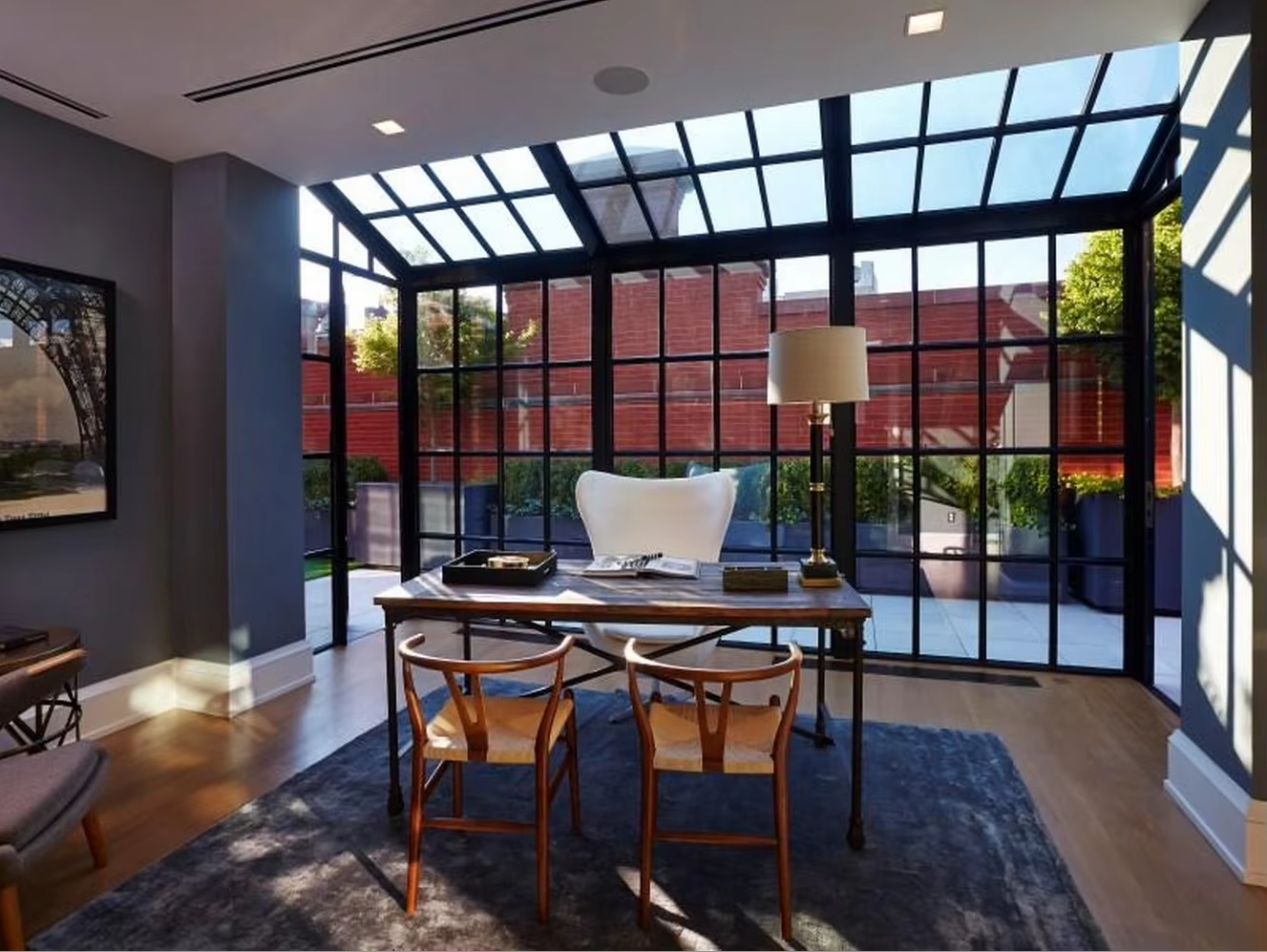
Choosing glazing for modern steel window frames means balancing appearance with thermal performance, safety, and the frame’s capacity. The right glass depends on the opening, climate, exposure, and how the building will be used. Thermal break steel w...
VIEW MORE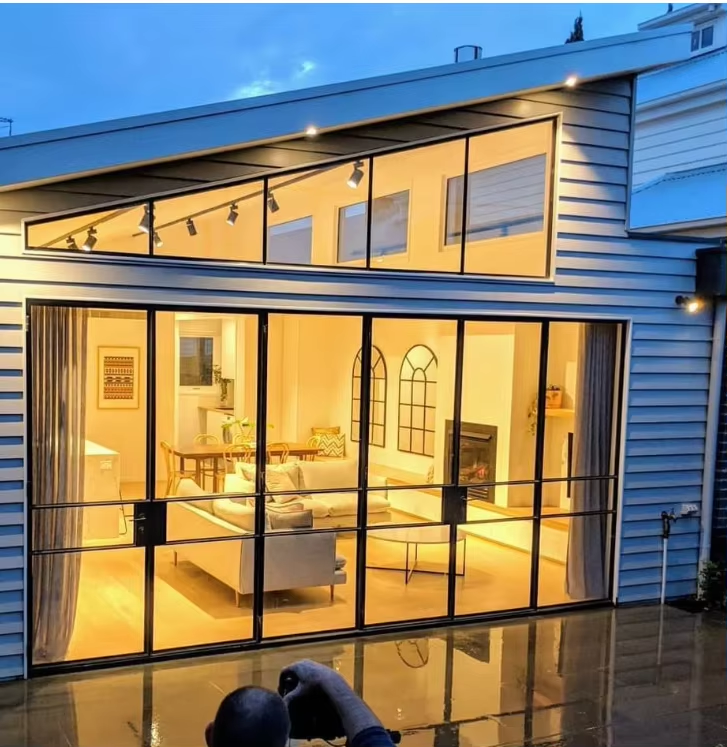
Installation planning works best when design intent, site conditions, and fabrication information are coordinated before frames reach the building. steel window frames manufacturers can support that coordination by translating project requirements in...
VIEW MORE
SHANGHAI PAN-STEEL CONSTRUCTION CO..LTD provides premium steel doors, windows, and architectural metalwork for villas, hotels, and historic restorations. Precision fabrication, ultra-slim sight lines, and end-to-end service. Trusted by architects and designers worldwide. Request a consultation today.
Copyright © 2026 SHANGHAI PAN-STEEL CONSTRUCTION CO..LTD.All rights reserved. Privacy Policy
 EN